Enrichment for a Canary: toys, foraging and free flight
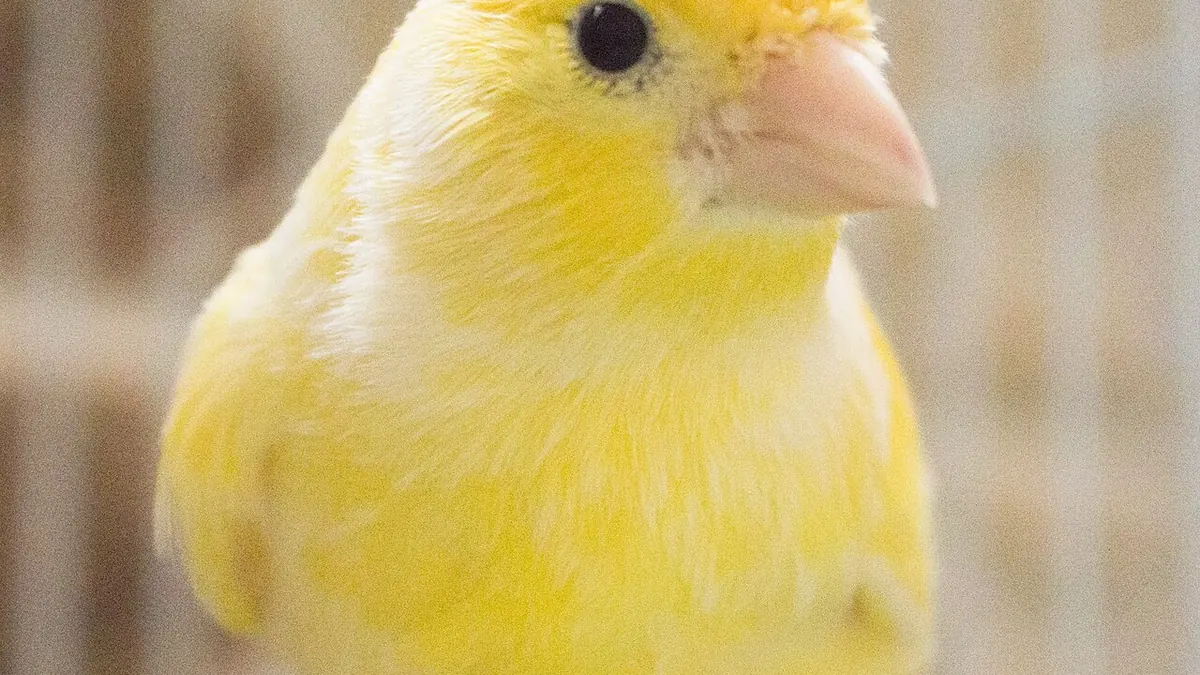

Canary : Canaries are not big players: a swing, a few well-placed perches and greens to nibble are enough. Flying space matters more than toys.
An accessory from our shop for this use: Corn cob, nut and pine cone chew swing for parakeets and small parrots (€23.90) · the whole shop
Our products don’t ship to you yet, but the PDF practical guide is instant: Budgies, Cockatiels and Canaries: The Starter Guide (€13)
In short: 12 to 14 cm, 8 to 12 year lifespan, low noise level with the male's pleasant song. An ornamental, hands-off bird watched rather than handled; the male sings mainly to mark his territory. A straight-beaked bird above all: flight length is what matters, so a long, uncluttered cage beats any pointless height.
Toys: small formats, real needs
Swings, (lead-free) bells, rings and shreddable toys sized to its beak: the Canary explores everything that comes apart. Three or four toys in the cage are enough, rotated weekly — a toy-saturated cage blocks flight more than it enriches.
Foraging: the queen of occupations
A wild Canary spends its day finding food: give that job back with foraging — seeds rolled in paper, vegetable skewers to dismantle, boxes to unlock. Ten minutes of foraging tires more than an hour on a swing.
Daily free flight: non-negotiable
No cage replaces flight: one to several hours daily in a bird-proofed room (windows covered or screened, hobs cold, toxic plants removed, other pets out). This species can live without a companion bird provided massive daily human presence — flight and social life are the two enrichments money cannot substitute. The rest is on the full Canary profile.
Frequently asked questions
Which toys for a Canary?
Formats matched to its beak: shreddable toys, swings, simple foraging — rotated weekly to keep curiosity alive.
How much free flight for a Canary?
One hour daily at the strict minimum, more for active species — in a fully bird-proofed room. The cage is only base camp.
The guides that apply to you
- Enriching a lorikeet: foraging designed for a liquid diet
Standard hidden-seed toys mean nothing to a nectarivorous lorikeet. A recent study shows what actually works to keep one occupied.
- Does a budgie really learn by watching its cagemate? What 60 years of experiments show
Three successive experiments tested whether a bird copies a cagemate's technique for opening a feeder. The answer changes how you should introduce a new foraging toy in a two-bird cage.
- Puzzle feeders for birds: what age to start, and how to raise the difficulty
A foraging toy that's too hard discourages a bird, too easy bores it: how to pick the right puzzle-feeder difficulty level based on experience, not age.
- Wooden or acrylic toys: which should you choose for your bird?
Wooden or acrylic toys for a budgie or parrot? Destructible wood is essential for the beak, acrylic lasts longer. The right mix, the pitfalls and the prices.