Housing a Canary: a 80 × 40 × 50 cm cage, fully fitted
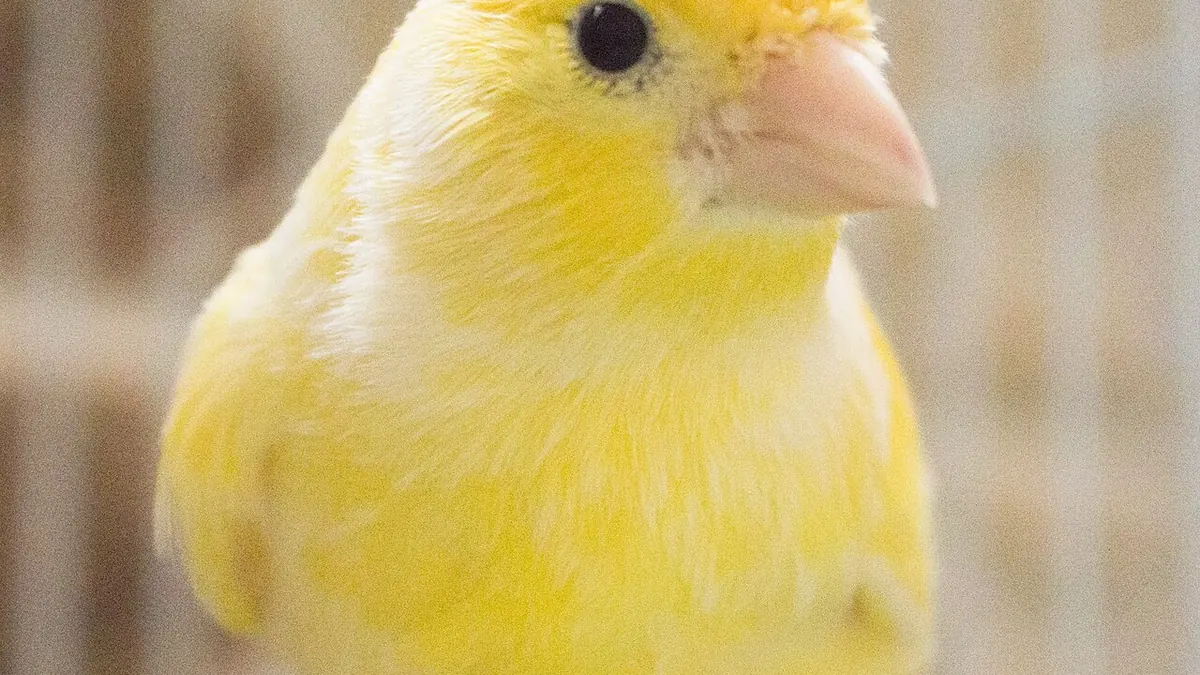

Canary : A cage wider than it is tall, 60 to 80 cm minimum, between 50 and 120 euros, with perches at each end to encourage flight. Place it at eye level, away from draughts and the kitchen.
An accessory from our shop for this use: Flexible pastel cotton rope perch, 35 cm, for budgies and cockatiels (€32.90) · the whole shop
Outside our shipping area? The downloadable practical guide: Budgies, Cockatiels and Canaries: The Starter Guide (€13)
In short: 12 to 14 cm, 8 to 12 year lifespan, low noise level with the male's pleasant song. An ornamental, hands-off bird watched rather than handled; the male sings mainly to mark his territory. A straight-beaked bird above all: flight length is what matters, so a long, uncluttered cage beats any pointless height.
80 × 40 × 50 cm: the serious minimum
For a Canary, the cage measures at least 80 × 40 × 50 cm, wider than tall: birds fly horizontally, not in lifts. Bars spaced 1 to 1.2 cm — any wider and the head slips through and jams.
Perches and layout
Install the perches (untreated wood, 1-1.5 cm in varied diameters) at the ends: the cage’s centre stays a flight corridor, and nothing overhangs the bowls. Complete with no-waste feeders, a paper floor changed every two days and the bathing corner; rule out smooth plastic perches and abrasive sleeves, which wound the soles.
Placement changes everything
Set the cage against a wall, at eye level, in the room where the family lives — absolutely excluding the kitchen, where overheated non-stick fumes kill a bird in minutes. Natural light without direct sun, 10 to 12 hours of calm darkness at night.
Frequently asked questions
What cage size for a Canary?
80 × 40 × 50 cm minimum, wider than tall, bars spaced 1 to 1.2 cm — plus daily free flight, the cage being only base camp.
Where should a Canary’s cage go?
Against a living-room wall at eye height, away from the kitchen (toxic fumes), direct sun and draughts, with 10 to 12 hours of quiet darkness.
The guides that apply to you
- Budgie cage size: the minimum dimensions
What size cage does a budgie need? Minimum dimensions, why width matters, bar spacing, and why height counts for less.
- White noise for a bird's sleep: useful against household noise?
TV, conversation, traffic: a study on noise and artificial light in wild birds sheds light on whether white noise can help mask these sounds.
- Budgies hear best between 2 and 5 kHz — and recover poorly from too much noise
Of seven species tested, the budgerigar retains the most residual hearing loss after noise overexposure. A concrete criterion for deciding where the cage goes.
- How much space does a macaw need: aviary or large cage?
How much space does a macaw need? Why a standard cage is never enough, minimum aviary dimensions, and the long-term budget to plan for.