Parrot harness: choosing well and training without stress
Published by Planète Pets · managing editor: Clément Lacaille · how our guides are written
A parrot harness lets you take out a bird not trained for free flight without any risk of a fly-away, for a budget of 15 to 40 €. But the accessory is not everything: without gradual habituation over several weeks, most parrots refuse the harness — or come away lastingly traumatised.
Contents · 5 sections
Which species is a harness suitable for?
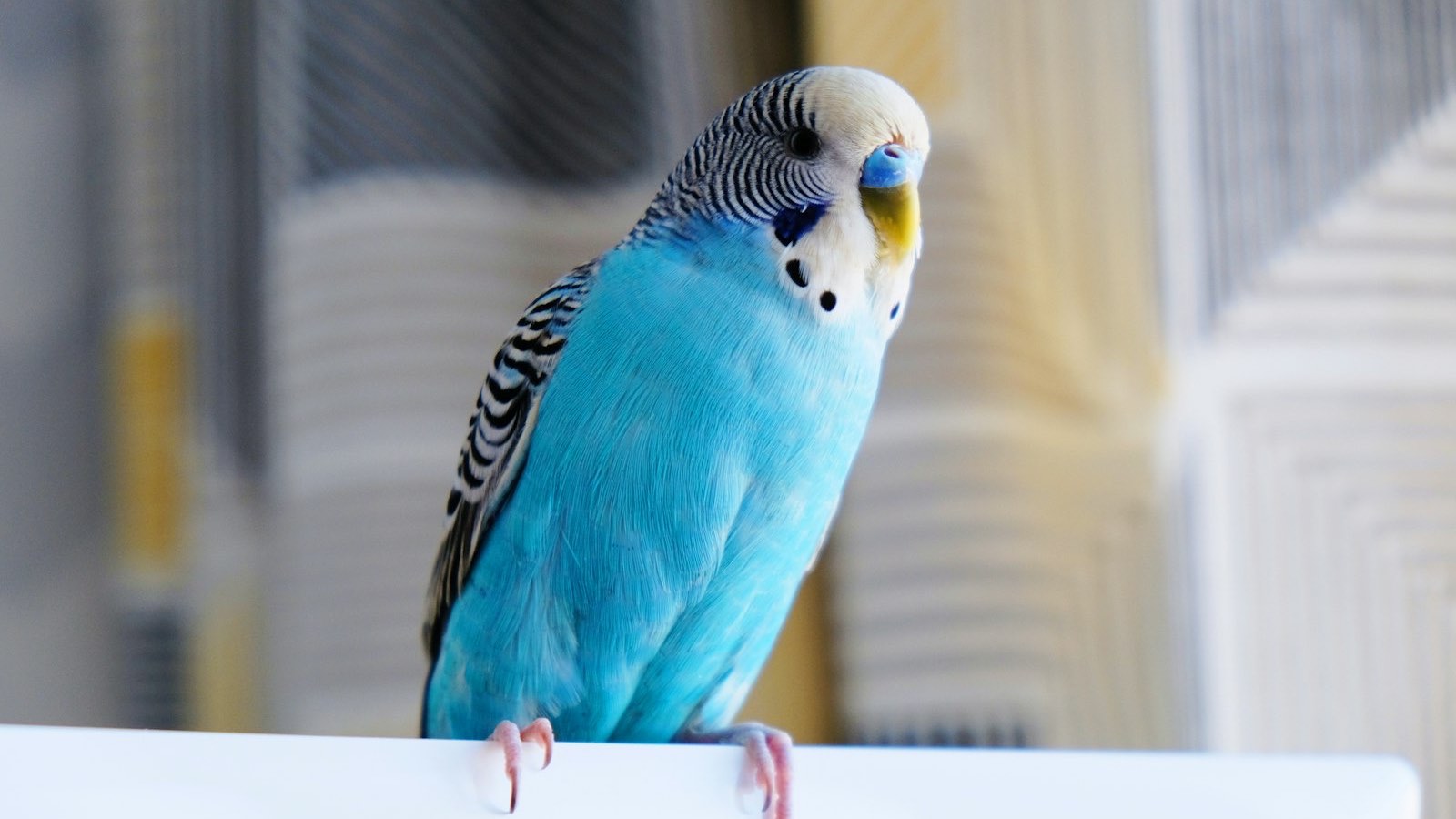
Commercial models cover species from the larger cockatiel to the macaw: conures, Senegal parrots, Amazons, African greys, cockatoos, macaws. XS sizes exist for budgies, but habituation is tricky; many owners prefer a balcony aviary or outings in a travel carrier. A harness is never right for a bird that panics at handling: build trust first.
What makes a good harness?
- A one-piece model with no metal buckle near the body, with an elasticated harness built into the leash: the safest standard.
- Exact size by weight: each maker publishes a chart (for example size S for 110 to 190 g); a loose harness lets the bird wriggle out, a tight one compresses the air sacs.
- A leash with an elastic shock absorber: soaks up take-off attempts without jolting the breastbone.
- Intact stitching and straps, checked before every outing: a powerful beak nicks nylon discreetly.
How do you get a parrot used to a harness?
Work in steps of a few minutes a day, always with positive reinforcement: first the harness lying near the bird with treats, then touching the body with it, then a rewarded head-through, and finally fastening and wearing it for a few minutes indoors. Allow two to eight weeks depending on the individual. Daily play and training make everything easier: a bird used to target training, as described in our guide to parrot toys and puzzles, learns far faster. Never force it: a single forced-capture experience can wreck weeks of work.
What precautions for the first outings?
Pick a quiet spot with no raptors or loose dogs, in mild weather. Stay clear of trees at first: a panicked bird clinging to a branch is hard to retrieve. Keep the leash short and looped to your wrist. If the harness causes an injury (chafing, broken feather, drooping wing), see an avian vet. More advice in the travel and safety category.
Frequently asked questions
Is a harness bad for the feathers?
Properly fitted and worn for reasonable spells, no. Check the rub zones under the wings after every outing.
Can I leave the harness on all the time?
No, never unsupervised: risk of snagging and strap-chewing. The harness goes on for the outing and comes off on return.
Harness or trained free flight?
Free flight demands expert training and carries a real risk of loss. For most owners, the harness remains the safest compromise.
An accessory from our shop for this use: Parrot outdoor harness with elastic lead (€25.90) · the whole shop
This guide is part of Planète Pets’s Birds universe. Our advice is general in nature: for any health concern, your veterinarian remains the only reference.