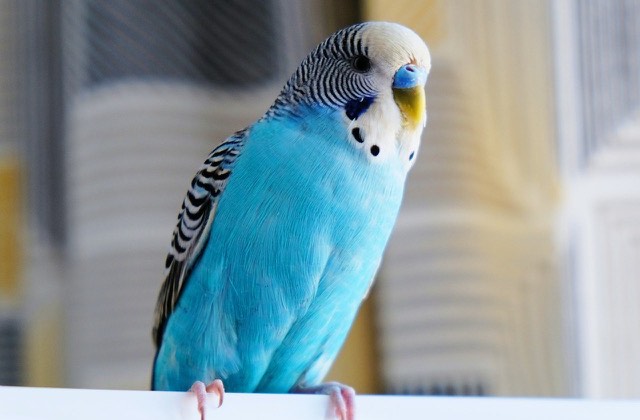
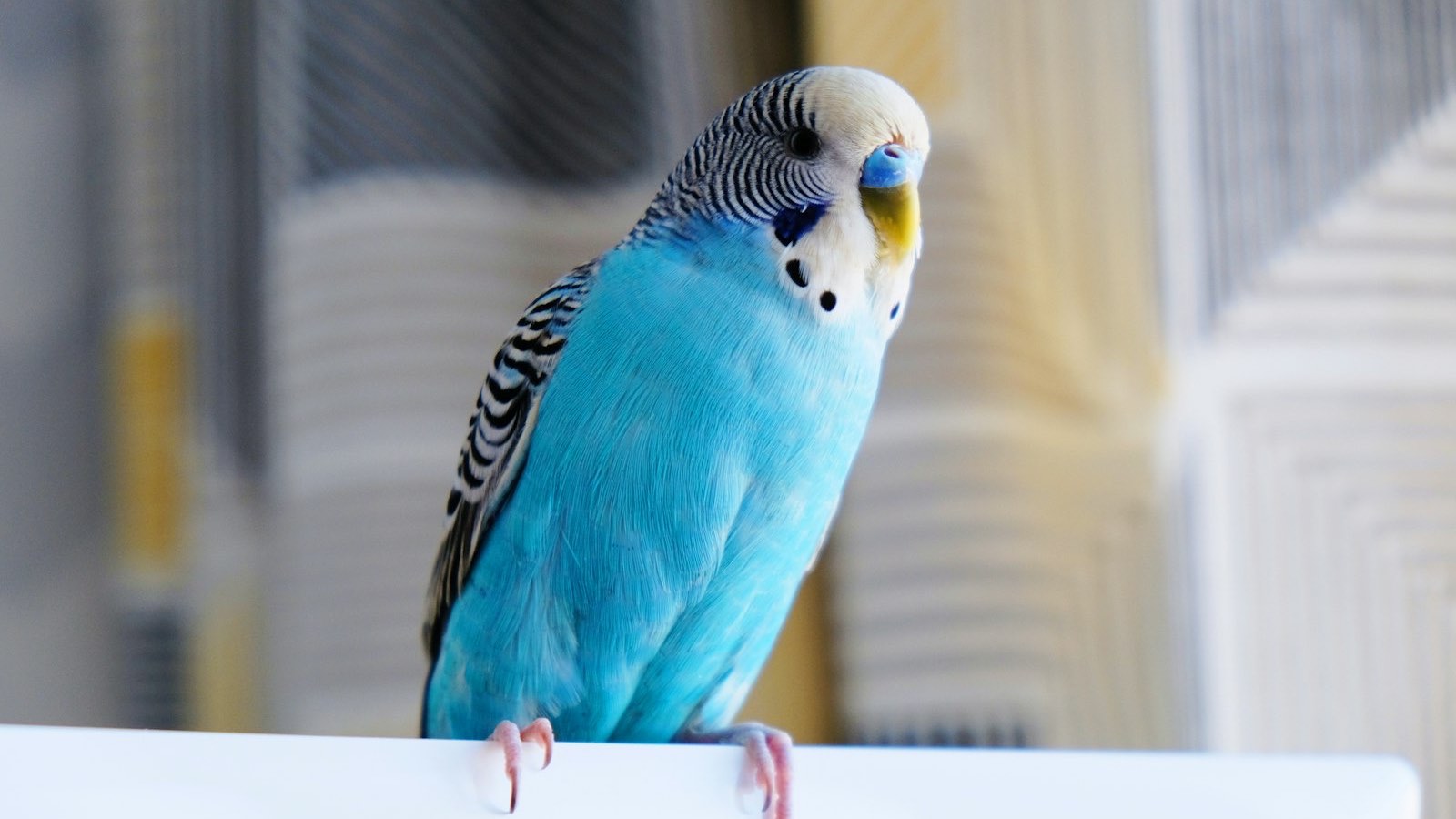
Night frights in budgies and cockatiels: what they are and how to react
Published by Planète Pets · managing editor: Clément Lacaille · how our guides are written
A dull thud in the dark, feathers flying, a bird clinging to the cage floor, trembling: night frights hit budgerigars and cockatiels especially hard, though other species can experience them too. Within seconds of panic, the bird crashes into the bars, snaps a blood feather or wrenches a wing. Work by British researcher Robert Jones on fear and adaptability in captive poultry shows just how quickly a startle reflex can spiral into uncontrolled panic in a confined, dark space. Find our other pointers in the bedding and habitat section.
Contents · 4 sections
What to do in the moment
Never rush to grab the bird in pitch darkness: the touch of an invisible hand only adds panic to panic. Turn on a soft, indirect light first, without sudden movement, so the bird can regain its visual bearings. Speak quietly, stay still for a moment before approaching, and avoid switching on a bright overhead light, which can itself trigger another episode.
Why does it happen?
The trigger is almost always something outside the cage: car headlights sweeping across a wall, the shadow of an insect or a cat, thunder, a slammed door, a motion-sensor light switching on. In total darkness the bird loses all spatial cues: it can no longer see the bars or the perches and injures itself trying to flee a threat that is often imaginary. Young or recently acquired birds, still not fully tame, are especially prone; to help them through the first weeks, see our guide to welcoming a rehomed bird.
Setup changes that reduce the risk
A warm, very dim night light left on at all times keeps the cage from ever falling into total darkness while still respecting the bird's need for sleep and darkness. Move the cage away from windows exposed to street traffic and headlights, and prefer a cover that leaves one side open rather than covering the cage completely, to preserve some visibility. Finally, remove any sharp-edged item from the cage floor: in a panic, these are exactly the details that turn a passing fright into an injury.
Frequently asked questions
Are all species prone to night frights?
Budgerigars and cockatiels, being livelier and more easily startled, are the most commonly cited, but no bird is entirely immune to a night fright.
Should I see a vet after an episode?
Yes, if you notice bleeding, a broken blood feather, limping or a drooping wing: head straight to an avian vet without waiting.
Does a night light disturb the sleep cycle?
A dim, warm-toned light does not meaningfully compromise adequate rest and remains far preferable to the injury risk of an episode in total darkness.
See it in the Planète Pets shop: Bendable multicolour cotton rope perch, 40 cm (€21.90) · the whole shop
This guide is part of Planète Pets’s Birds universe. Our advice is general in nature: for any health concern, your veterinarian remains the only reference.