Kakariki: gear and buying guides
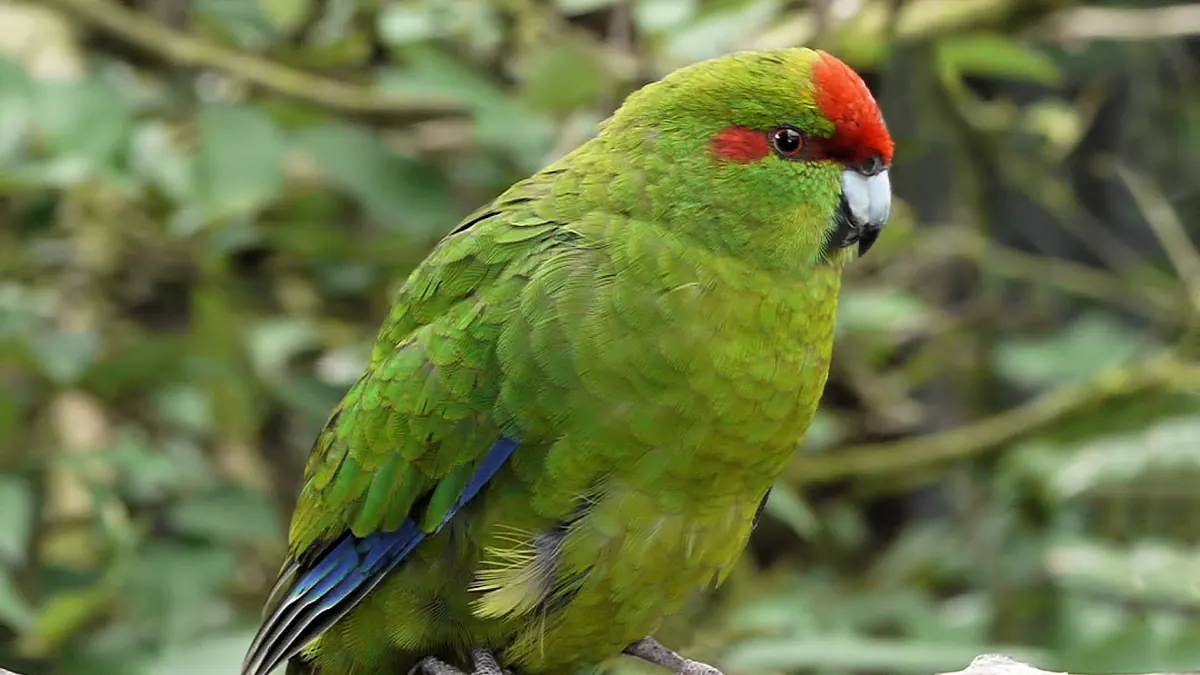

The kakariki is a hyperactive, curious and fairly quiet New Zealand parakeet, famous for scratching the ground with both feet like a little hen. Always on the move, it explores every corner and needs far more flying space than its size suggests. Not a cuddler but hugely entertaining, it is a bird for watching and playful interaction.
Profile : 25 to 28 cm including a long tail, 10 to 15 year lifespan, low noise level.
An accessory from our shop for this use: Bendable multicolour cotton rope perch, 40 cm (€21.90) · the whole shop
Our products don’t ship to you yet, but the PDF practical guide is instant: Budgies, Cockatiels and Canaries: The Starter Guide (€13)
Species profile
- Lifespan
- 10 to 15 years
- Adult weight
- 60 to 80 g
- Size
- 28 cm
- Minimum cage
- 100 × 50 × 70 cm
- Temperament
- A tireless, curious and acrobatic New Zealand parakeet that explores the ground as much as the branches and never sits still.
- Health watch
- susceptibility to intestinal worms and parasites from ground foraging · wear and injuries from a cage that is too cramped
🩺 Our hygiene and health advice stays general: it never substitutes for an examination by a veterinarian, the only person qualified to advise on your animal.
Kakariki gear, family by family
-
🍖
Food
A large-parakeet seed mix or suitable pellets, with a generous share of vegetables, greens and sprouted seeds. Its fast metabolism means frequent small meals.
-
🧴
Care & grooming
A keen bather, it happily dives into a water dish every day. Its nails wear down naturally if it has varied surfaces to scratch.
-
🎾
Toys & enrichment
Set up a ground foraging tray with seeds hidden in clean substrate; it will scratch through it for hours. Ropes, ladders and moving toys complete its exploration circuit.
-
🏠
Bedding & habitat
A cage or aviary at least one metre wide, with horizontal space trumping everything, from 150 euros. Note: the kakariki is among the species whose keeping may require identification or formalities depending on regulations, so check before buying.
-
🧳
Travel & safety
A securely closed carrier, as it slips through surprisingly small gaps. During free time, secure plants, bins and floor-level nooks, its favourite exploration grounds.
-
🧰
Accessories
Multiple perches, a floor scratching tray and stable feeders, as it readily tips over lightweight bowls. An indoor aviary beats a handsome but narrow cage.
🧰 Accessories for a Kakariki: perches, scales and safety
Perches: health accessory number one
Invest in perches before any gadget: for a Kakariki, natural wood of 1.5-2.5 cm diameter, in several species and angles, directly protects the feet from bumblefoot. One pumice perch near the feeder maintains the beak — abrasive sleeves, by contrast, rasp the soles raw.
The Kakariki essentials
The Kakariki kit comes down to five items: no-waste feeders sized to its beak, a clip-on bath, gram-accurate scales for the weekly weigh-in (the most reliable illness detector), window nets to secure out-of-cage time, and an avian UV lamp when natural light falls short — window glass blocks the UVB needed for vitamin D.
Budget: purchase and upkeep
A serious starter kit (properly sized cage included): €200 to 400, then €25 to €50 a month for food and consumables. The full Kakariki profile details every line.
Quick answers
- What perch diameter for a Kakariki?
- 1.5 to 2.5 cm, in untreated natural wood with varied diameters: the feet must work differently from perch to perch.
- What monthly budget for a Kakariki?
- €25 to €50 a month (fresh food included), avian vet aside.
Our products don’t ship to you yet, but the PDF practical guide is instant: Budgies, Cockatiels and Canaries: The Starter Guide (€13)
Guides to read
- Scaly leg mite in budgies: recognizing and treating knemidokoptic mangeCare & grooming
Knemidokoptic mange in budgies: the tell-tale crusty patches on legs and beak, the vet treatment, and how to prevent it.
- Nonstick pans and Teflon fumes: a deadly danger for pet birdsTravel & safety
Why fumes from overheated nonstick cookware are lethal to cage birds, and how to keep your kitchen safe without giving up nonstick pans entirely.
- Clicker training for birds: the basics of positive reinforcementToys & enrichment
How to start clicker training with your bird: the gear you need, the principles of positive reinforcement, and simple first exercises.
- Colored LED lighting in the cage: real enrichment or just a gadget?Accessories
Colored LED lighting in a budgie's cage: what the research shows about its effect on behavior, and how to use it without disrupting sleep.
- Lovebird or budgie for beginners: which bird needs the most company?Accessories
Lovebird or budgerigar: which one copes better with being alone, and which one absolutely needs a same-species partner? The practical comparison for choosing your first bird.
- Nest box for budgies: should you really add one to the cage?Bedding & habitat
A wooden nest box looks harmless, but it can trigger a full breeding cycle in budgies that have no chicks to raise. What to know before adding one.
- Outdoor garden aviary: real budget and health-safety measuresBedding & habitat
How much does an outdoor aviary cost, and how do you secure it against predators, weather and health risks linked to wild birds? The budget guide before you commit.
- Too many sunflower seeds: the mix mistake that threatens your bird's healthFood
A seed mix too heavy in sunflower seeds drives obesity, fatty liver and atherosclerosis in cage birds. How to fix the ratio without frustrating your bird.