Housing a Kakariki: a 100 × 50 × 70 cm cage, fully fitted
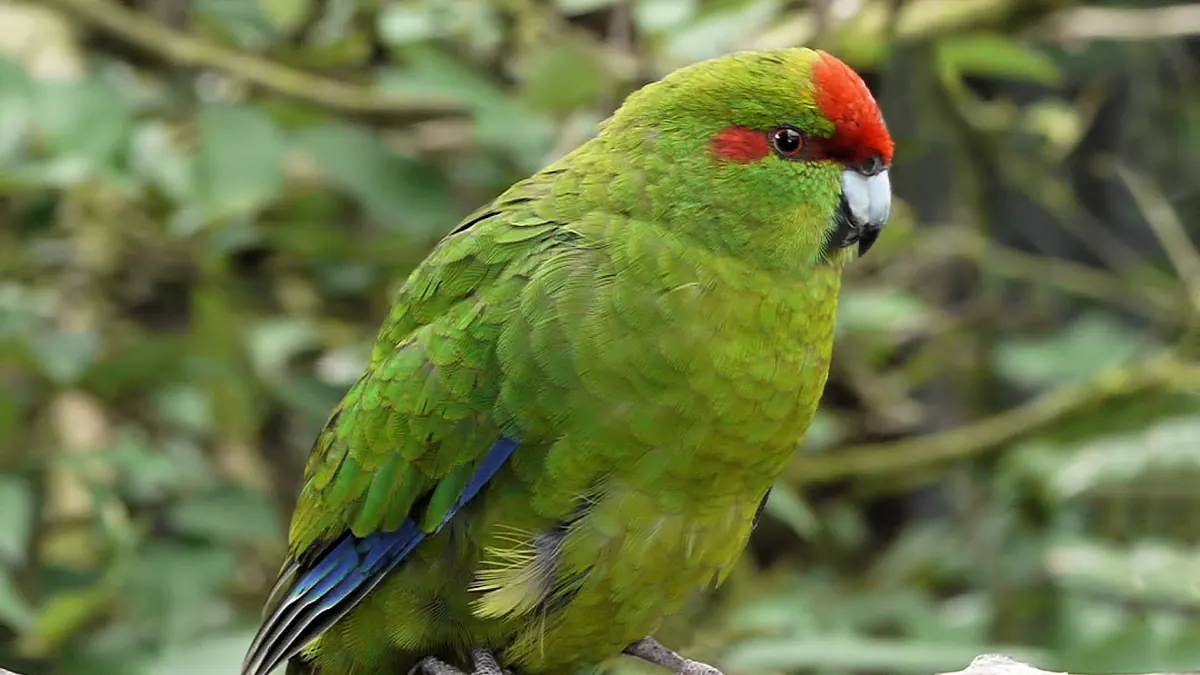

Kakariki : A cage or aviary at least one metre wide, with horizontal space trumping everything, from 150 euros. Note: the kakariki is among the species whose keeping may require identification or formalities depending on regulations, so check before buying.
In our shop, for this use: Bendable multicolour cotton rope perch, 40 cm (€21.90) · the whole shop
Outside our shipping area? The downloadable practical guide: Budgies, Cockatiels and Canaries: The Starter Guide (€13)
In short: 25 to 28 cm including a long tail, 10 to 15 year lifespan, low noise level. A tireless, curious and acrobatic New Zealand parakeet that explores the ground as much as the branches and never sits still. Its hyperactivity calls for a cage that is long rather than tall and a constant flow of toys and foraging, or boredom sets in fast.
100 × 50 × 70 cm: the serious minimum
For a Kakariki, the cage measures at least 100 × 50 × 70 cm, wider than tall: birds fly horizontally, not in lifts. Bars horizontal for climbing, spaced 1.2 to 1.9 cm — any wider and the head slips through and jams.
Perches and layout
Install the perches (untreated wood, 1.5-2.5 cm in varied diameters) at the ends: the cage’s centre stays a flight corridor, and nothing overhangs the bowls. Add no-waste feeders, a newspaper floor renewed every two days and bath access — banning smooth plastic and abrasive “nail-trimming” sleeves, sworn enemies of bird feet.
Placement changes everything
Against a wall (safety at its back), at eye height, in the living room but out of the kitchen — fumes from overheated non-stick coatings are lethal to birds. Natural light without direct sun, 10 to 12 hours of calm darkness at night.
Frequently asked questions
What cage size for a Kakariki?
100 × 50 × 70 cm minimum, wider than tall, bars spaced 1.2 to 1.9 cm — plus daily free flight, the cage being only base camp.
Where should a Kakariki’s cage go?
Against a living-room wall at eye height, away from the kitchen (toxic fumes), direct sun and draughts, with 10 to 12 hours of quiet darkness.
The guides that apply to you
- How much space does a macaw need: aviary or large cage?
How much space does a macaw need? Why a standard cage is never enough, minimum aviary dimensions, and the long-term budget to plan for.
- Sun conure cage: size, aviary and CITES paperwork
What cage suits a sun conure, and what paperwork should you expect? Minimum dimensions, setup and the regulatory framework around this protected species.
- Nest box for budgies: should you really add one to the cage?
A wooden nest box looks harmless, but it can trigger a full breeding cycle in budgies that have no chicks to raise. What to know before adding one.
- Cockatoo: how much cage or aviary space does it really need?
A cockatoo needs far more space than an average parrot: the minimum dimensions to respect to limit stress and feather plucking.