Feeding a Kakariki: diet, conversion and bans
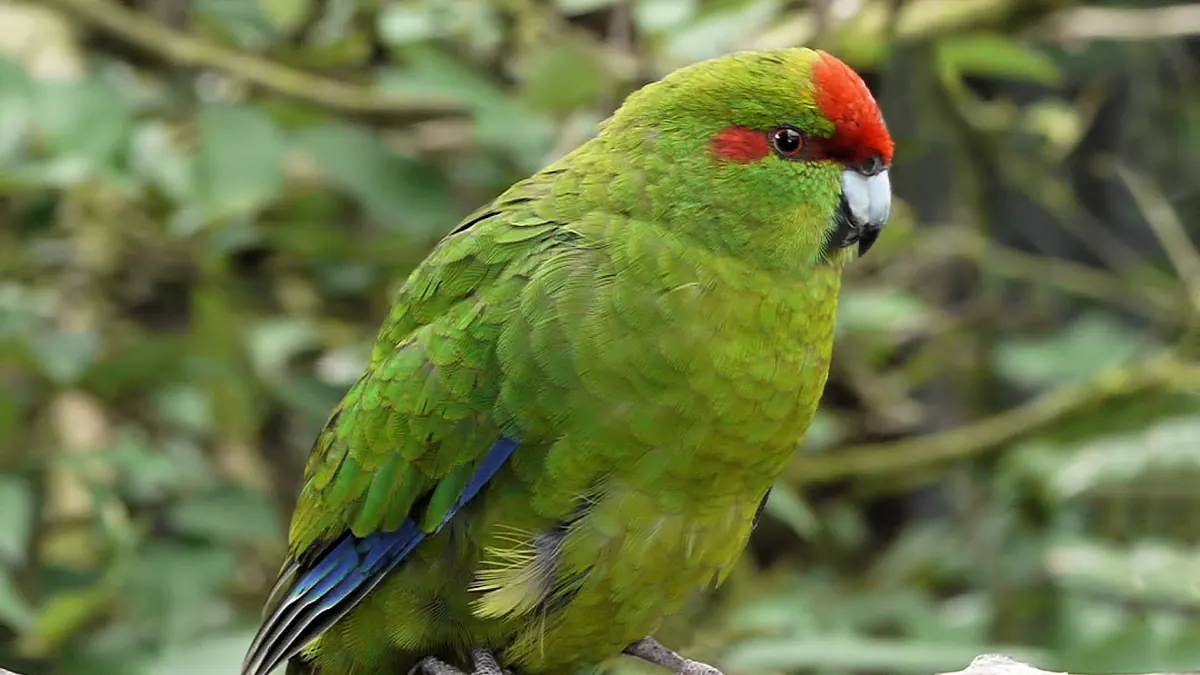

Kakariki : A large-parakeet seed mix or suitable pellets, with a generous share of vegetables, greens and sprouted seeds. Its fast metabolism means frequent small meals.
In our shop, for this use: Acrylic no-mess feeder for budgies (13 × 11 × 13 cm) (€33.90) · the whole shop
We don’t ship products to your country yet; our practical guide downloads anywhere: Budgies, Cockatiels and Canaries: The Starter Guide (€13)
In short: 25 to 28 cm including a long tail, 10 to 15 year lifespan, low noise level. A tireless, curious and acrobatic New Zealand parakeet that explores the ground as much as the branches and never sits still. Its hyperactivity calls for a cage that is long rather than tall and a constant flow of toys and foraging, or boredom sets in fast.
The Kakariki diet, beyond the seed mix
Parakeet pellets as the base, with plenty of vegetables, fruit, sprouted seeds and occasional insects; an omnivorous, very active species that forages on the ground. At 60 to 80 g, quantities stay modest — composition makes the difference, not volume.
Switching foods, gently
A Kakariki’s diet conversion is won by attrition: pellet share raised in weekly steps, morning servings on an empty crop, regular weigh-ins — never brutal deprivation. Finches and small hookbills are stubborn: patience beats deprivation.
The absolute bans
Avocado (lethal), chocolate, alcohol, caffeine, onion and garlic, unpitted stone fruit: the avian blacklist allows no exceptions. Water is changed daily, fresh fruit removed after a few hours. After any suspect ingestion, call the avian vet at once — the metabolism of a 60 to 80 g bird leaves no margin.
Frequently asked questions
What does a Kakariki eat daily?
Parakeet pellets as the base, with plenty of vegetables, fruit, sprouted seeds and occasional insects; an omnivorous, very active species that forages on the ground.
Which foods are forbidden for a Kakariki?
Avocado, chocolate, caffeine, alcohol, onion and garlic top the list: all toxic to birds at any dose. Salt and human cooked dishes are also out.
The guides that apply to you
- Feeding an Amazon parrot: moving past an all-seed diet
What does an Amazon parrot eat? Why an all-seed mix leads to obesity, the place of pellets, vegetables and fruit, and the forbidden foods.
- Canary budget: what does this little singer really cost every month?
A study on starling birdsong shows a carotenoid supplement boosts singing and health markers. What that means for a canary's real monthly food budget.
- Monthly food budget for a macaw: what should you really set aside?
Pellets, fresh fruit, nuts and supplements: the full breakdown of a macaw's monthly food budget, and why cutting corners on quality costs more in the long run.
- Why Does My Parrot Refuse Every New Food? Understanding Food Neophobia
An unfamiliar vegetable ignored, a new fruit shunned for days: food neophobia is a normal trait in parrots. Understanding this mechanism helps you diversify its diet.