Transporting a Kakariki: travel cage and a bird-proofed home
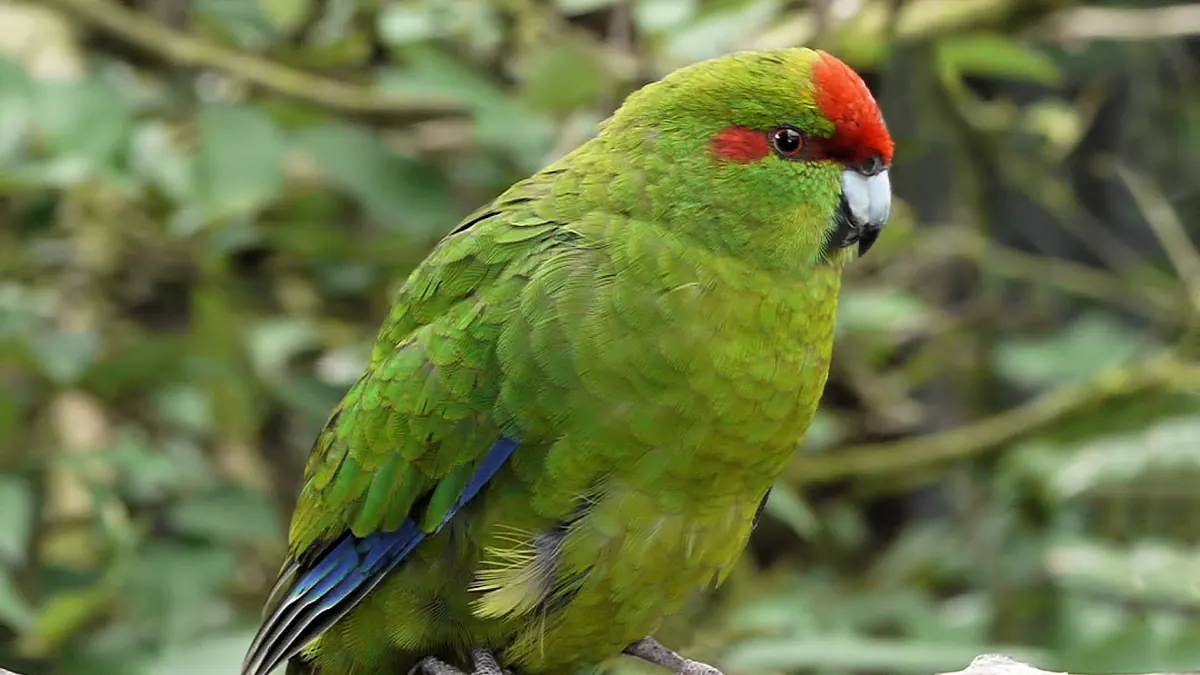

Kakariki : A securely closed carrier, as it slips through surprisingly small gaps. During free time, secure plants, bins and floor-level nooks, its favourite exploration grounds.
In our shop, for this use: Parrot outdoor harness with elastic lead (€25.90) · the whole shop
Outside our shipping area? The downloadable practical guide: Budgies, Cockatiels and Canaries: The Starter Guide (€13)
In short: 25 to 28 cm including a long tail, 10 to 15 year lifespan, low noise level. A tireless, curious and acrobatic New Zealand parakeet that explores the ground as much as the branches and never sits still. Its hyperactivity calls for a cage that is long rather than tall and a constant flow of toys and foraging, or boredom sets in fast.
The travel cage: small, dark, low
For a 60 to 80 g Kakariki, the travel cage is nothing like the home cage: reduced format, one single low-set perch, zero toys or swinging extras. Cover three sides with light fabric: in half-light, gripping its perch, it travels with surprising calm. Millet or watery fruit replaces the spill-prone water dish.
Everyday dangers beat travel dangers
Statistically, the danger is not the journey but the living room: a window ajar (bird-loss cause number one), an overheated non-stick pan, hot hobs, a mirror or glass door struck mid-flight. Before every out-of-cage session, a systematic room check beats any insurance.
Planning journeys
The Kakariki’s rules of the road: climate control on, never direct sun on the cage, zero smoke in the cabin, and water offered in the shade every two hours of driving. At the vet’s, keep the cage covered in the waiting room: staring dogs and cats are, to your bird, predators in the most literal sense.
Frequently asked questions
How do you transport a Kakariki by car?
A dedicated small, low travel cage, a single perch, three sides covered, seatbelt around the cage — never a loose bird in the car or the big cage balanced on the seat.
Does a Kakariki cope with journeys?
Yes, when prepared: a dark low cage, stable temperature, errands grouped. Stress comes from visual stimulation — dimness is your ally.
The guides that apply to you
- Bird Travel Cage or Carrier Bag: Choosing Well Before the Vet Visit
Rigid cage, soft carrier or emergency box: how to transport a budgie, canary or parrot safely, in the car and at the vet.
- Does catching your parrot really spike its stress? A study measures cortisol in real time
In the Hispaniolan Amazon parrot, manual restraint raises blood corticosterone within minutes, with a marked gap between females and males that widens with handling time.
- Moving House With Your Bird: Preparing the Trip and the New Setup
Moving house with your bird without traumatizing it: travel carrier, the trip itself, and the first days in the new home. Practical tips.
- Flying With Your Bird: What to Know Before You Book
Flying with your bird: regulations, an approved carrier and paperwork to sort out before booking a flight.