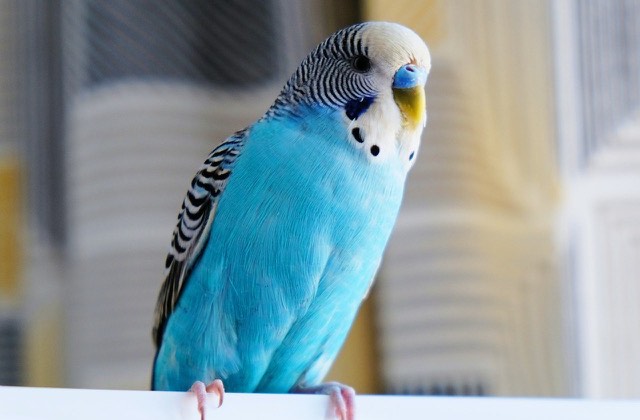
Moving House With Your Bird: Preparing the Trip and the New Setup
Published by Planète Pets · managing editor: Clément Lacaille · how our guides are written
Moving house with a bird mainly means preparing for two sensitive moments: the trip in a travel carrier and the first days in the new home. A bird reads its environment through sight and familiar sounds; upending all of that at once raises stress, but a few simple precautions cut the risk considerably.
Contents · 6 sections
What carrier should you use for the move itself?
A small, rigid carrier, narrower than the usual cage, reassures more than a large space where the bird slides around on every turn. A single low perch and a cloth partially covering the bars are enough to limit light and visual stimulation during the trip. Find our recommended models in travel carrier for a bird.
Should you move the usual cage last?
- take the main cage apart last, only once the bird is already in its travel carrier;
- set it back up first in the new home, before taking the bird out of the carrier;
- keep the same perches, toys and bowls rather than cleaning everything brand new the same day;
- avoid painting or heavily airing out the room right before the bird arrives, because of solvent fumes.
How should you handle the trip itself?
Moderate temperature, no direct sun on the carrier, and a quiet cabin without loud music cover most of the physical stress. For a trip of several hours, plan a water stop only while parked, never while the vehicle is moving. Home safety principles still apply once you arrive: see bird-proofing your home before setting up the cage in a new room.
What do the first days in the new home look like?
Place the cage somewhere that reproduces the previous setup as closely as possible: height, light exposure, distance from busy foot traffic. Limit visits and noise for the first two or three days, and hold off on out-of-cage time until the bird is eating normally and grooming again. An appetite that has not returned after 48 hours warrants a vet visit.
What if the bird refuses to eat after the move?
Offer its usual diet first, without switching brands that same day, possibly supplemented with a favorite food to kick-start its appetite. Our bird food category covers the basics for tracking normal food intake.
Frequently asked questions
Should you cover the carrier the whole trip?
A partial cover, leaving some light and air, is reassuring without fully isolating the bird; a full cover can actually increase panic in some individuals.
How long before the bird fully readjusts?
Usually one to two weeks for fully normal behavior, longer for a bird that was already anxious or elderly.
Can you move several birds in the same carrier?
Only if they already get along well day to day and the carrier offers enough space to avoid forced contact during the jolts of the trip.
An accessory from our shop for this use: Parrot outdoor harness with elastic lead (€25.90) · the whole shop
This guide is part of Planète Pets’s Birds universe. Our advice is general in nature: for any health concern, your veterinarian remains the only reference.