Enrichment for a Kakariki: toys, foraging and free flight
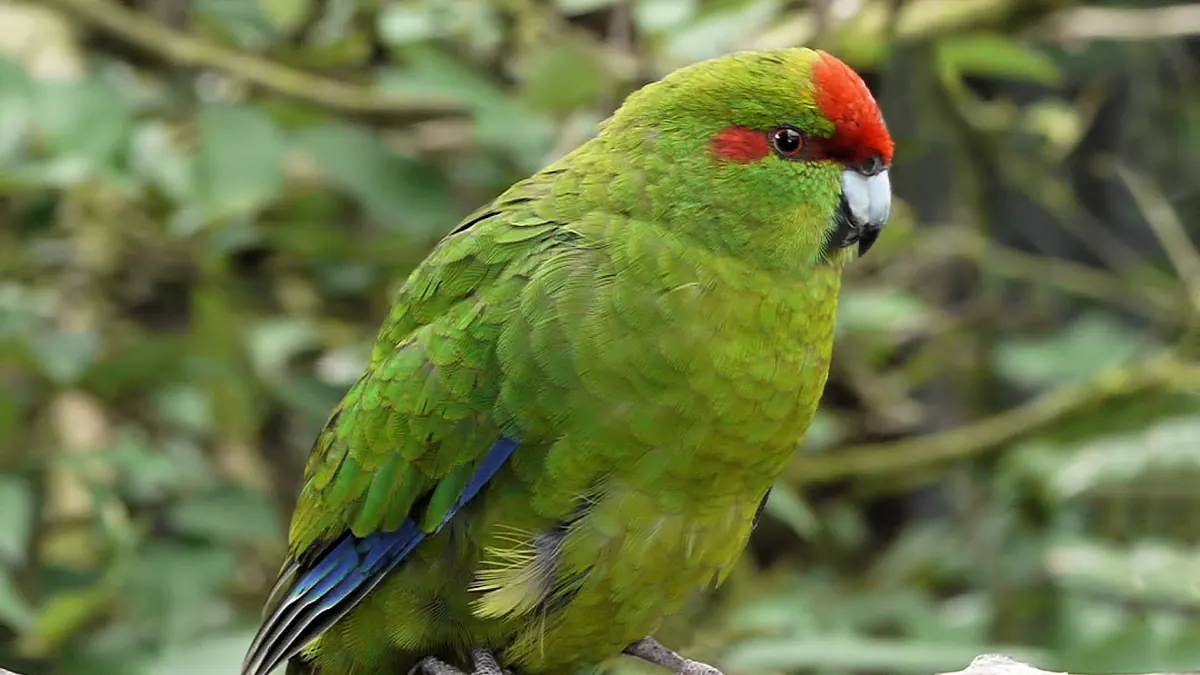

Kakariki : Set up a ground foraging tray with seeds hidden in clean substrate; it will scratch through it for hours. Ropes, ladders and moving toys complete its exploration circuit.
See it in the Planète Pets shop: Natural wood play stand for budgies: perch, ladder and ring (€30.90) · the whole shop
Our products don’t ship to you yet, but the PDF practical guide is instant: Budgies, Cockatiels and Canaries: The Starter Guide (€13)
In short: 25 to 28 cm including a long tail, 10 to 15 year lifespan, low noise level. A tireless, curious and acrobatic New Zealand parakeet that explores the ground as much as the branches and never sits still. Its hyperactivity calls for a cage that is long rather than tall and a constant flow of toys and foraging, or boredom sets in fast.
Toys: small formats, real needs
Swings, (lead-free) bells, rings and shreddable toys sized to its beak: the Kakariki explores everything that comes apart. Three or four toys in the cage are enough, rotated weekly — a toy-saturated cage blocks flight more than it enriches.
Foraging: the queen of occupations
A wild Kakariki spends its day finding food: give that job back with foraging — seeds rolled in paper, vegetable skewers to dismantle, boxes to unlock. Ten minutes of foraging tires more than an hour on a swing.
Daily free flight: non-negotiable
Whatever the cage, the Kakariki must fly every day: secure one room (marked glass, cold hobs, toxic plants removed, other pets excluded) and open the door for one to several hours. This species does better as a pair — humans cannot replace everything — flight and social life are the two enrichments money cannot substitute. The rest is on the full Kakariki profile.
Frequently asked questions
Which toys for a Kakariki?
Formats matched to its beak: shreddable toys, swings, simple foraging — rotated weekly to keep curiosity alive.
How much free flight for a Kakariki?
One hour daily at the strict minimum, more for active species — in a fully bird-proofed room. The cage is only base camp.
The guides that apply to you
- Foraging Toys for an African Grey: Keeping a Clever Parrot Busy
How do you keep an African grey busy? Foraging toys, puzzle feeders and food search to stimulate this highly intelligent parrot and prevent feather plucking.
- Wooden or acrylic toys: which should you choose for your bird?
Wooden or acrylic toys for a budgie or parrot? Destructible wood is essential for the beak, acrylic lasts longer. The right mix, the pitfalls and the prices.
- Swings, ladders and rings: which gym gear for your bird?
Swings, ladders and rings build balance and keep budgies and parrots busy: safe materials, sizes by species and prices from 4 to 25 €.
- Kakariki: what toys and ground activities keep it busy?
Unlike most other parakeets, the kakariki mostly explores at ground level: the toys and setups that genuinely meet that need.