Care for a Kakariki: bathing, plumage and health watch
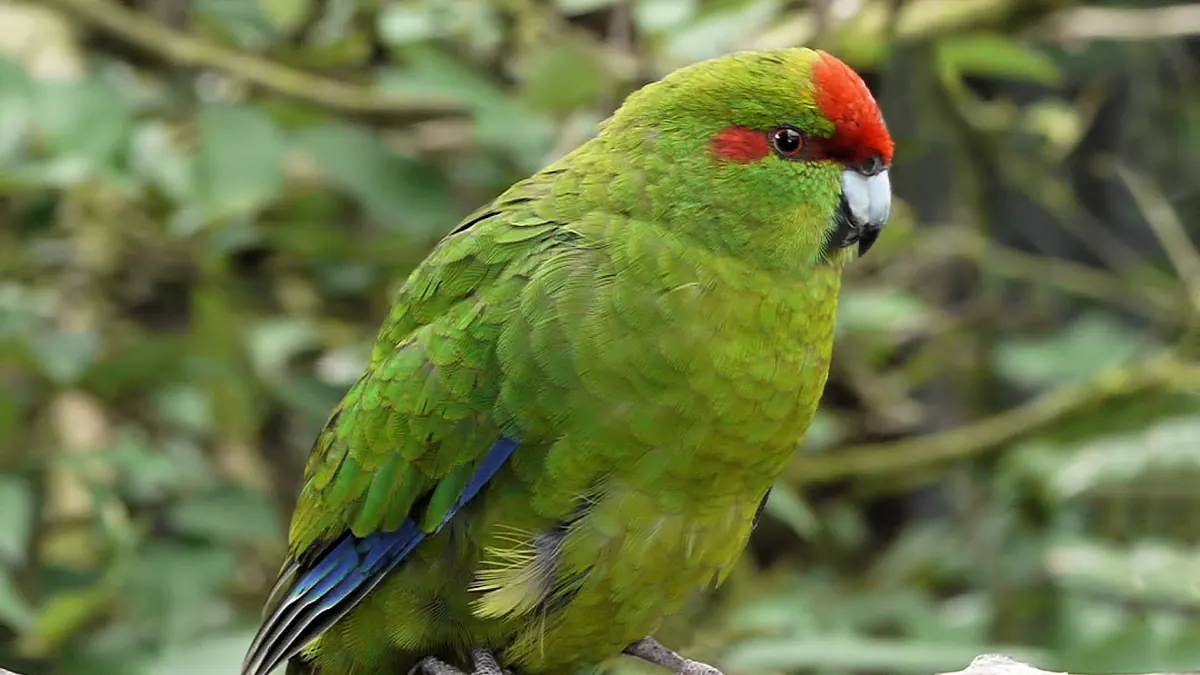

Kakariki : A keen bather, it happily dives into a water dish every day. Its nails wear down naturally if it has varied surfaces to scratch.
We don’t ship products to your country yet; our practical guide downloads anywhere: Budgies, Cockatiels and Canaries: The Starter Guide (€13)
🩺 Reminder: this page informs, it does not diagnose. For any symptom or health question, your veterinarian remains the only reference.
In short: 25 to 28 cm including a long tail, 10 to 15 year lifespan, low noise level. A tireless, curious and acrobatic New Zealand parakeet that explores the ground as much as the branches and never sits still. Its hyperactivity calls for a cage that is long rather than tall and a constant flow of toys and foraging, or boredom sets in fast.
Bathing: basic hygiene
For the Kakariki, bathing is not leisure but basic plumage maintenance: a hanging bath or a simple saucer of fresh water, several times a week and daily during the moult. Regularly wetted then preened feathers stay waterproof and insulating; never soap or “shine sprays”.
Feathers, beak, claws: routine upkeep
Claws and beak wear down naturally on natural-wood perches of varied diameters (1.5 to 2.5 cm for this species) — an overgrowing or flaking beak signals an underlying issue: avian vet, never the DIY file.
The Kakariki’s health: warning signs
Documented watch-points in the species: susceptibility to intestinal worms and parasites from ground foraging and wear and injuries from a cage that is too cramped. Birds mask illness until the last moment: continuously fluffed feathers, a bird on the cage floor or altered droppings warrant an avian consult within 24 hours. Over 10 to 15 years together, an avian vet identified in advance is no luxury.
Frequently asked questions
How often should a Kakariki bathe?
Two to four times a week routinely, daily during the moult — a clip-on bath or saucer, always plain water.
Do a Kakariki’s claws need clipping?
Rarely, if varied-diameter natural perches are doing their wear-down job. Clipping remains technical: vet or experienced keeper — a struggling bird injures itself fast.
The guides that apply to you
- Lorikeet cage hygiene: why nectar demands daily cleaning
Nectar ferments fast and lorikeet droppings are liquid: without daily cleaning, feeders and cage surfaces quickly turn into a breeding ground for bacteria and yeast.
- Canary: Song, Moult and Warning Signs
Why does a canary stop singing? Song cycle, moulting period and the signs that should raise concern in this bird prized for its voice.
- Signs Your Bird Is Sick: When to See an Avian Vet
How do you tell a bird is sick? The physical and behavioral signs that should prompt a quick visit to an avian vet.
- Adopting a rehomed adult parrot: what behaviour issues should you expect?
Screaming, aggression, plucked feathers: the most common behaviour problems in a rehomed adult parrot, and how to support it without rushing the bird.