A Single Lovebird or a Pair? The Risk of Loneliness
Published by Planète Pets · managing editor: Clément Lacaille · how our guides are written
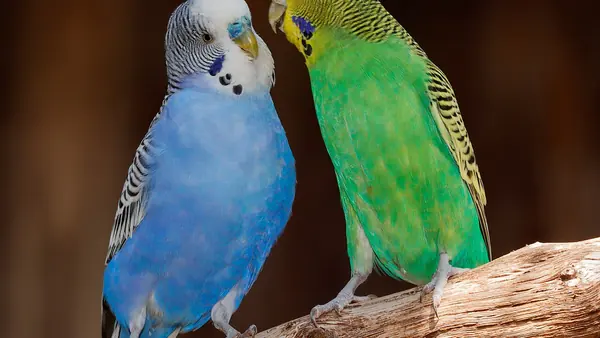
The lovebird lives up to its name: it's a gregarious bird that, in the wild, lives in flocks and forms strong social bonds. A study by Meehan, Garner, and Mench, published in 2003 in Applied Animal Behaviour Science, showed that pair housing markedly reduces the development of abnormal behaviours (stereotypies, feather plucking) in young parrots compared with solitary housing (see the study). This finding directly informs the choice between a single bird and a pair. Our habitat benchmarks are gathered in our bird habitat section.
Contents · 4 sections
Why loneliness is a real risk
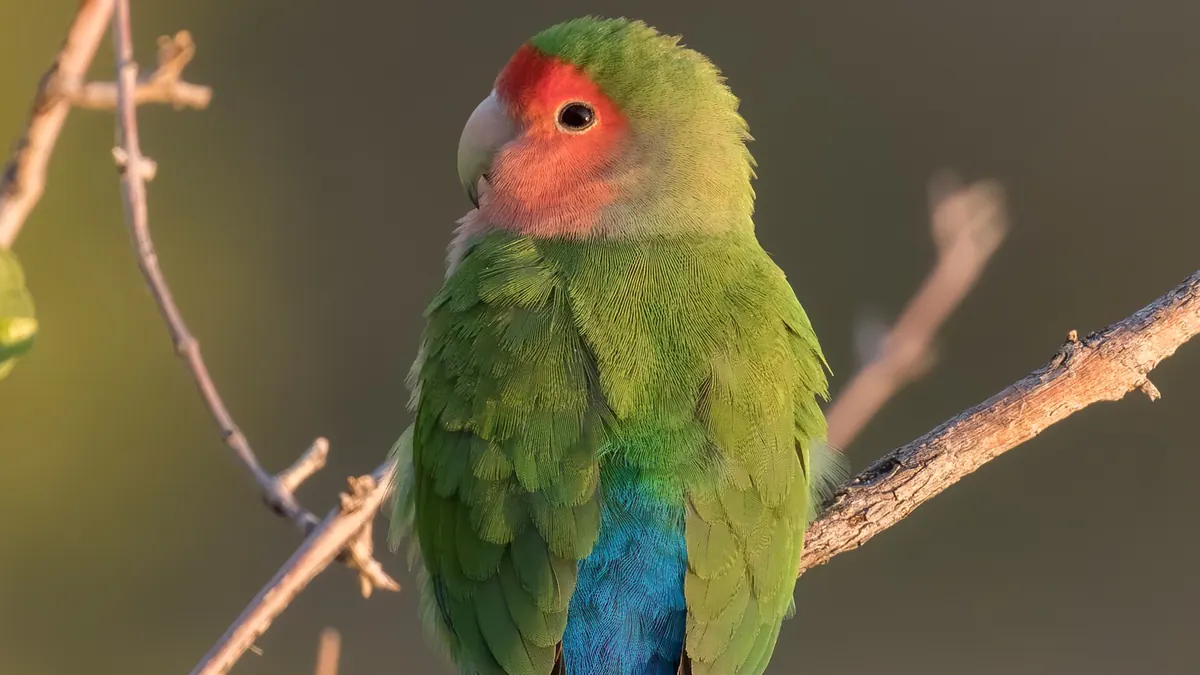
A lovebird left alone for long hours can develop boredom, repetitive screaming, feather plucking, or excessive attachment to its owner. These issues aren't mere tantrums: they reflect a lack of social stimulation. For an owner who is often away, a companion of the same species is almost always better than a single bird left to itself.
When a companion is truly essential
If you can't provide several hours of daily interaction, a pair is the way to go. Two lovebirds keep each other busy, preen each other, and sleep side by side. A duo logically needs a larger cage: dimensions are covered in our comparison lovebird or budgie for beginners.
Making life work for a single bird
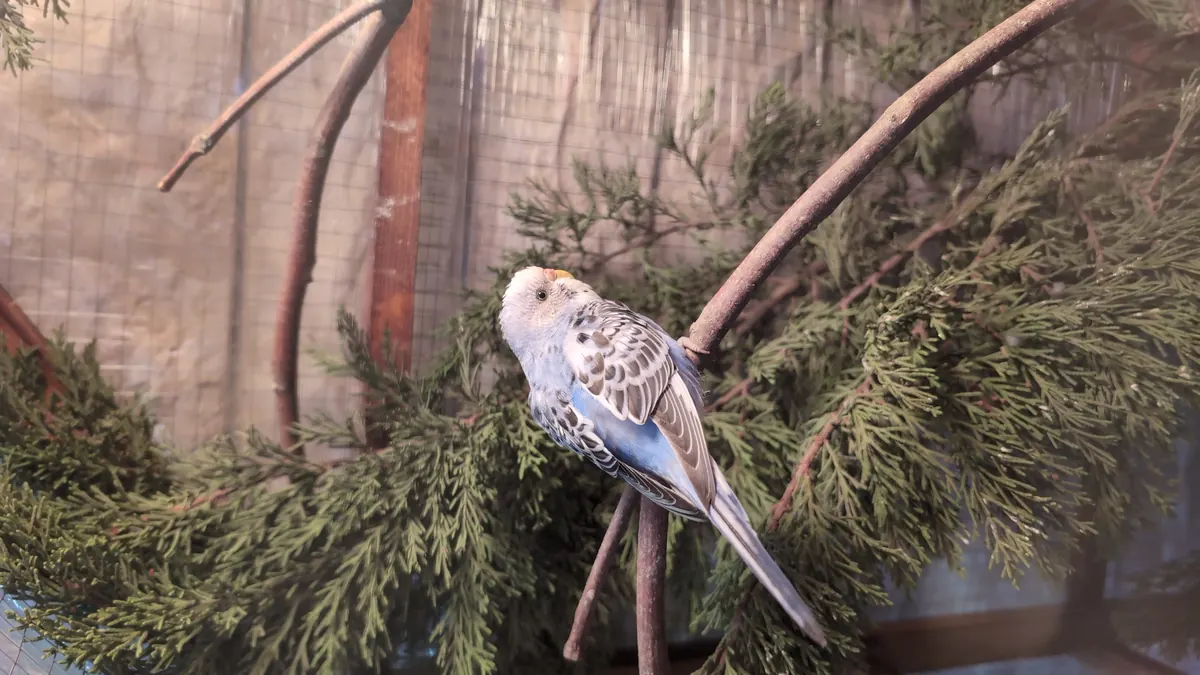
A single lovebird is still possible if you're very present: daily interaction, out-of-cage time, toys to destroy, and regular rotation of enrichment. You then have to accept that you become its social partner, with everything that entails day to day.
Frequently asked questions
Will two lovebirds still like me?
Yes, a well-socialised pair stays tameable, even if a little more independent than a single bird strongly bonded to a human.
Can you keep two males or two females together?
Often yes, especially if the birds are introduced young and have space; watch for any tension.
Can loneliness make a lovebird ill?
Chronic stress encourages feather plucking and weakens the bird: it's not trivial. Find all our guides on the bird hub.
This guide is part of Planète Pets’s Birds universe. Our advice is general in nature: for any health concern, your veterinarian remains the only reference.