Care and grooming for a Abyssinian: coat, litter and prevention
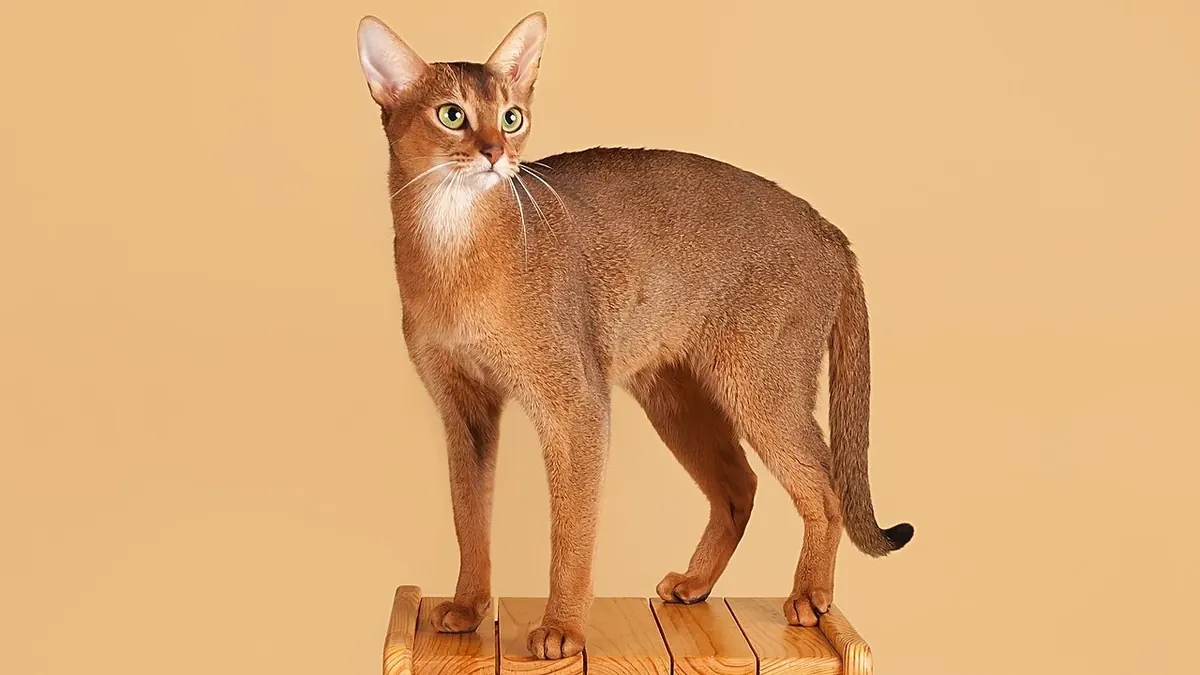

Abyssinian : The Abyssinian's short coat needs just one brushing a week, slightly more during shedding season. Regular dental checks are advisable, as the breed can be prone to dental issues.
See it in the Planète Pets shop: Scissor-style nail clipper for cats (€17.90) · the whole shop
We don’t ship products to your country yet; our practical guide downloads anywhere: The Healthy Cat Handbook: Prevention Made Simple (€15)
🩺 This health information is general in nature and does not replace a consultation: at the slightest doubt about your animal’s condition, talk to your vet.
In short: Medium-sized cat (3 to 5 kg) with a short ticked coat and very high energy. A hyperactive, inquisitive cat, always perched somewhere or off exploring. A born climber, it needs height: a ceiling-high cat tree, wall shelves and rotated toys to fill its days.
Coat care
The Abyssinian needs a weekly pass with a soft brush or grooming glove, more during the moult. Its light shedding makes it an easy housemate, but brushing remains bonding time not to skip.
Litter: the most sensitive product in the house
For its build, a tray at least 50 cm long, fine unscented litter and a quiet spot away from the bowls. Golden rule: one tray per cat plus one, scooped daily — most toileting accidents start there.
Health watch-points for the Abyssinian
The breed is monitored for: pyruvate kinase deficiency, progressive retinal atrophy (rdAc) and renal amyloidosis. Check claws every three to four weeks, inspect teeth and ears while grooming, and keep parasite treatment year-round even indoors. Life expectancy: 12 to 15 years — and for anything unusual, the vet comes before the forums.
Frequently asked questions
How often should a Abyssinian be brushed?
Plan on a weekly pass with a soft brush or grooming glove, more during the moult.
What litter tray size for a Abyssinian?
At least 50 cm long: the cat must turn around without touching the sides. Preferably uncovered, with fine unscented litter.
The guides that apply to you
- Tartar and bad breath in cats: toothbrush, dental gel or dental treats, what should you choose?
Dental tartar and bad breath in cats: comparing toothbrushing, enzymatic dental gel and dental treats, to slow down plaque without stressing your cat.
- Cat cleaning wipes: a real help between baths or just marketing?
Dirty paws after the litter box, a greasy coat on an older cat that grooms less: cat wipes promise a lot. How do they actually compare to a cat's natural grooming?
- Ear infections in cats: symptoms, causes and what to do
Scratching ears, a tilted head, an unusual smell: the signs of an ear infection in cats, its most common causes, and what to do before your vet visit.
- Feline idiopathic cystitis: what a landmark study shows about environmental enrichment
For a cat prone to recurring idiopathic cystitis, changing the everyday environment isn't just extra comfort: a landmark study measured its effect on how often flare-ups occur.