Travelling with a Abyssinian: carrier, car and safety
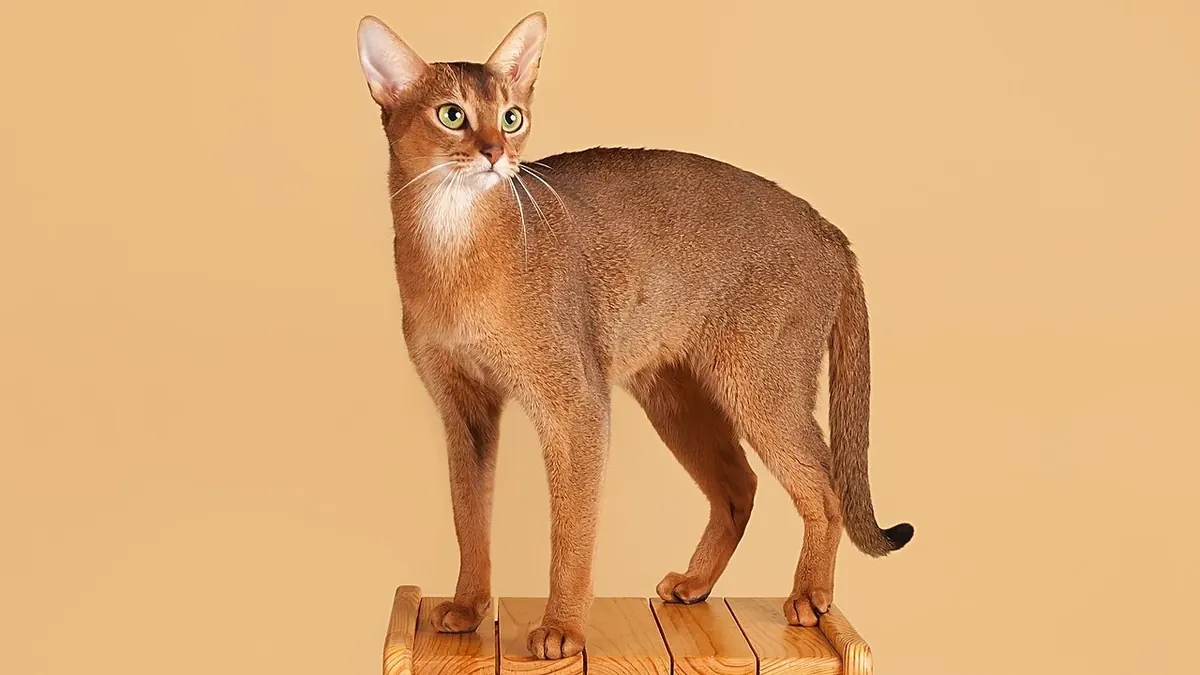

Abyssinian : Quick and agile, it can slip through a half-open door: a carrier with a reliable latch and secured window screens are essential. Get it used to the carrier early to reduce stress.
An accessory from our shop for this use: Escape-resistant cat harness + 1.5 m leash (€19.90) · the whole shop
We don’t ship products to your country yet; our practical guide downloads anywhere: The Healthy Cat Handbook: Prevention Made Simple (€15)
In short: Medium-sized cat (3 to 5 kg) with a short ticked coat and very high energy. A hyperactive, inquisitive cat, always perched somewhere or off exploring. A born climber, it needs height: a ceiling-high cat tree, wall shelves and rotated toys to fill its days.
The right carrier for a Abyssinian
For a 3 to 5 kg Abyssinian, aim for a rigid carrier around 50 cm, with a top opening that proves invaluable at the vet’s. Make it part of the scenery: parked permanently in a corner of the living room, lined with a familiar blanket, the carrier loses its red-alert status and departure day stops being a battle.
In the car and beyond
The carrier rides strapped on the seat or wedged in the footwell, never loose — at 3 to 5 kg it becomes a projectile under braking. A light cloth over the carrier settles most cats in transit. For trains, the carrier does it all; for planes, the cabin stays accessible under the airline’s limit — most often 8 kg, bag included.
Identification and everyday safety
Identification is mandatory (microchip), with an EU passport and rabies vaccination for border crossings. In flats, safety is decided at the windows: blocked tilt-and-turns and protection nets — cat falls are a veterinary-ER classic.
Frequently asked questions
What carrier size for a Abyssinian?
About 50 cm long: sitting without touching the ceiling, turning without wedging. A rigid top-opening model makes vet visits easier.
How do I get a Abyssinian used to its carrier?
Leave it open in the living room with a scented blanket and treats inside, closing the door only once the habit is set: within two or three weeks the carrier becomes a den.
The guides that apply to you
- Securing a cat carrier in the car: straps and placement to check
Cat carrier in the car: where to place it and how to strap it down to reduce risk in the event of sudden braking or a collision.
- Norwegian Forest Cat outdoors: what the camera-collar study shows, and how to secure its territory
Only 23% of captured prey ever makes it home, according to the 2013 Loyd study. For a born hunter like the Norwegian Forest Cat, what that means and how to secure outdoor access.
- Pet Sitter or Cat Boarding for Vacation: What's the Real Budget?
In-home pet sitter or cat boarding for vacation: comfort differences for your cat, a realistic budget, and criteria to choose between them.
- Should your cat wear a collar? Risks and alternatives
Is a cat collar useful or dangerous? Strangulation, trapped leg, alternatives such as microchips and GPS trackers: what to know before buying one.