Feeding a Abyssinian: ration, kibble and hydration
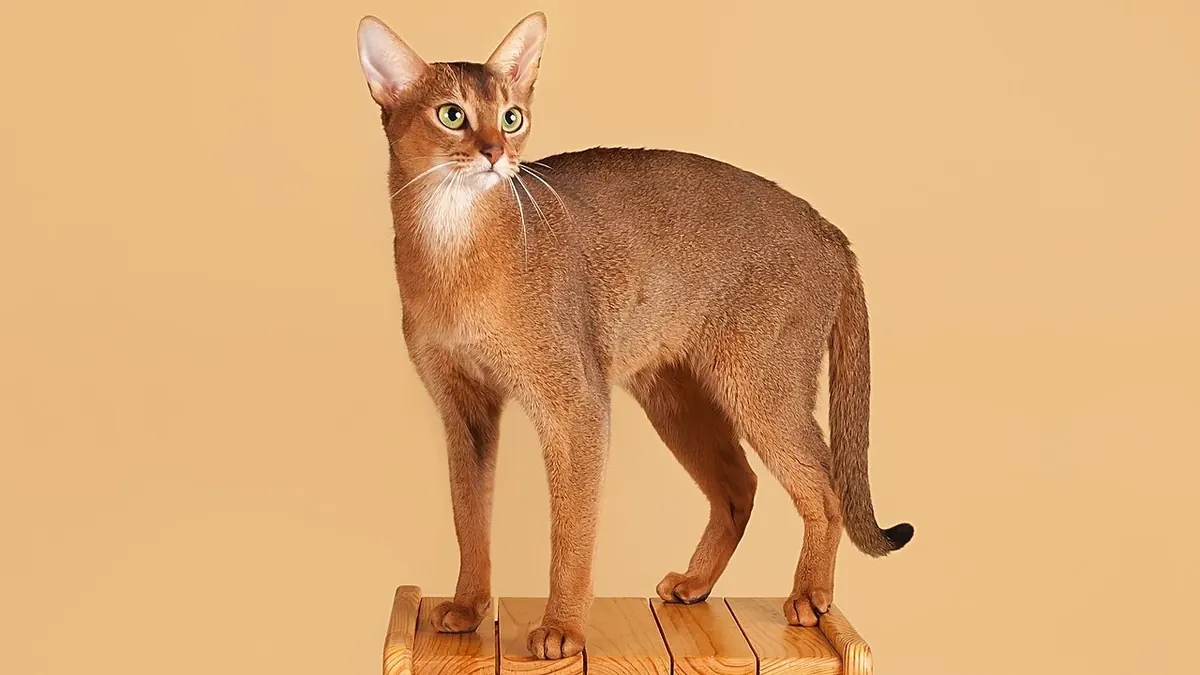

Abyssinian : Its intense activity calls for a protein-rich, energy-dense diet, split into several meals or measured free feeding. Slow-feeder or maze bowls extend mealtime and keep it stimulated.
See it in the Planète Pets shop: Raised-edge silicone feeding mat for cats (€25.90) · the whole shop
We don’t ship products to your country yet; our practical guide downloads anywhere: The Healthy Cat Handbook: Prevention Made Simple (€15)
In short: Medium-sized cat (3 to 5 kg) with a short ticked coat and very high energy. A hyperactive, inquisitive cat, always perched somewhere or off exploring. A born climber, it needs height: a ceiling-high cat tree, wall shelves and rotated toys to fill its days.
The daily ration of a Abyssinian
A strict carnivore of 3 to 5 kg, the Abyssinian eats about 45 to 70 g of kibble a day — or mixed feeding with wet food, valuable for hydration. Its high activity burns through the ration: split it into several small meals or use a puzzle feeder.
Breed-specific needs
A breed without exotic dietary needs: quality comes first — named animal proteins at the top of the list, moderate carbohydrates, fresh water at will. The health point to know: pyruvate kinase deficiency — regular vet check-ups adjust the diet before trouble sets in.
Water and budget
Two figures to remember for the Abyssinian: a fountain multiplies a cat’s drinking sessions (a major urinary issue), and feeding it properly costs €25 to €50 a month, mixed feeding included. Our label pointers are detailed on the full Abyssinian profile.
Frequently asked questions
How much kibble for a Abyssinian?
45 to 70 g daily for an adult of 3 to 5 kg, corrected for neutering, activity and the wet-food share — and body condition referees, not the empty bowl.
Does a Abyssinian need a special diet?
No breed-specific food is essential: a good strict-carnivore diet does the job, while keeping an eye on pyruvate kinase deficiency.
The guides that apply to you
- Premium or store-brand cat food: does the price difference actually matter?
Premium or store-brand cat food: does the extra cost really pay off? How to read the label so you choose the right food, not the priciest bag.
- Toxic foods for cats: the real dangers and what to do after accidental ingestion
Toxic foods for cats: chocolate, onion, grapes, xylitol and more — the real dangers and the right steps after accidental ingestion.
- Why cats stay indifferent to sweetness: what it means for choosing treats
Unlike dogs or humans, cats can barely perceive sweet taste at all. A genetic quirk that explains why a cat ignores a slice of cake but pounces on a piece of chicken.
- Overweight cat: setting up a weight loss plan without the frustration
How to help an overweight cat lose weight without starving it or causing stress: diagnosis, a realistic pace, the right food, and vet follow-up.