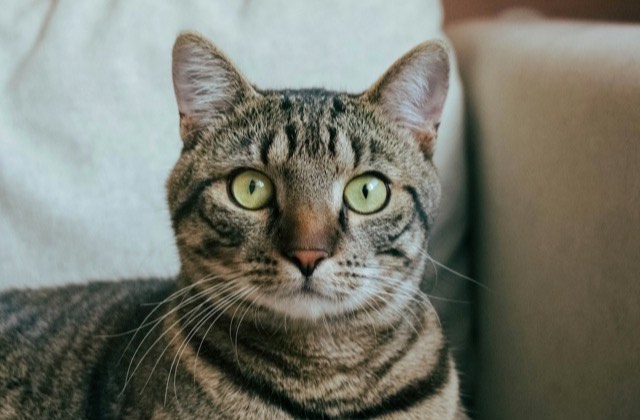
Overweight cat: setting up a weight loss plan without the frustration
Published by Planète Pets · managing editor: Clément Lacaille · how our guides are written
An overweight cat isn't just "well fed": every extra kilo raises the risk of diabetes, arthritis, and urinary problems. Yet sudden food restriction is dangerous for cats, which can develop hepatic lipidosis after just a few days without eating. Browse all our food guides in the cat food section.
Contents · 7 sections
What do studies show about feline obesity?
A landmark review by German, published in 2006 in the Journal of Nutrition (original study), highlights that excess weight raises a cat's risk of diabetes mellitus, joint disease, and anaesthetic complications, and recommends gradual calorie restriction rather than a crash diet to preserve muscle mass during weight loss.
How do you tell if a cat is actually overweight?
Weighing alone isn't enough: a vet assesses body condition score by feeling the ribs and looking at the waist from above. An overweight cat has ribs that are hard to feel under a layer of fat and little to no visible waist. This initial assessment sets the target weight and the pace of loss to follow.
What pace of weight loss should you aim for?
- 0.5% to 1% of body weight per week, never faster, to avoid the hepatic lipidosis linked to fat being mobilised too quickly.
- A high-protein, high-fibre "satiety" diet formulated to limit hunger despite calorie restriction, rather than simply shrinking the usual portion.
- Split meals into three or four servings to limit the intense hunger phases that drive begging or insistent meowing.
How do you ease the frustration day to day?
An automatic feeder set for several small portions avoids long waits between meals. Pairing each meal with a play session using a wand toy before feeding mimics the natural hunt-then-eat sequence and shifts focus away from hunger.
When should you involve a vet?
Any weight loss in a cat, planned or not, should be monitored by a vet: a monthly weigh-in lets you adjust the portion and rule out an underlying condition (hyperthyroidism, diabetes) that could skew how the weight change is interpreted.
What's the budget?
A veterinary weight-management diet costs €25–45 for a 2–3 kg bag, with regular vet check-ins adding €30–50 per follow-up visit.
Frequently asked questions
Do neutered cats gain weight more easily?
Yes, neutering slows the resting metabolic rate, which is why food formulated for neutered cats and an adjusted portion from the time of surgery help.
Should treats be cut out entirely during a diet?
No, but their calories should be subtracted from the daily total rather than added on top of it.
Can a cat regain the weight it lost after the diet ends?
Yes, without a lasting adjustment to the portion once the target is reached, regaining weight is common; ongoing weight checks stay useful long term. Browse all our guides on the cat hub.
An accessory from our shop for this use: Raised-edge silicone feeding mat for cats (€25.90) · the whole shop
See it at Le Félin, a shop from the same family (zero commission): Arbre à chat en bois flotté (from €219.99)
This guide is part of Planète Pets’s Cats universe. Our advice is general in nature: for any health concern, your veterinarian remains the only reference.