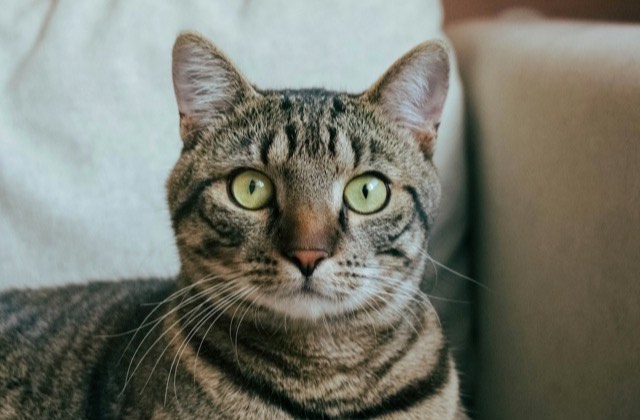
Kitten food: how to choose the right kibble from 2 to 12 months
Published by Planète Pets · managing editor: Clément Lacaille · how our guides are written
The best kitten food contains at least 35% animal protein, is enriched with DHA for brain development and comes in a kibble size suited to small jaws. A kitten should eat a dedicated kitten formula from weaning until around 12 months, split into 3 to 4 small meals a day. Expect to pay 15 to 40 € for a 2 kg bag depending on the range.
Contents · 5 sections
Why kitten food rather than adult kibble?
A kitten quadruples its body weight in just a few months: its energy, calcium and protein needs far exceed those of an adult cat. Kitten formulas are more calorie-dense and enriched with essential fatty acids. Switching to adult food too early risks growth deficiencies; if you have any doubts about your kitten’s weight curve, ask your vet for advice during vaccination visits.
What should you look for in kitten food?
Before buying, compare labels in our cat food section and check these points:
- Animal protein as the first ingredient (chicken, turkey, fish), at 35% or more.
- DHA/EPA included for brain and eye development.
- Kibble size and texture suited to baby teeth.
- Moderate ash content (under 9%) and balanced calcium.
- No artificial colourings or added sugars.
- Price per kilo: 7 to 20 €/kg depending on quality.
How much food should a kitten eat?
Follow the manufacturer’s feeding table by age and weight: roughly 30 to 50 g per day at 2 months, rising to 60 to 80 g by 6 months. Split the ration into several meals, or free-feed if your kitten regulates itself well. You can add wet food, as explained in our wet food vs dry food guide, and encourage hydration with a water fountain.
When should you switch to adult cat food?
Around 12 months (15 months for large breeds such as the Maine Coon), transition over 7 to 10 days by gradually mixing the two foods. An abrupt switch often causes diarrhoea. Find all our comparisons on the cat food and accessories hub.
Frequently asked questions
Can a kitten eat kibble only?
Yes, as long as it is a complete, good-quality formula with fresh water always available. A mix of kibble and wet food remains ideal for hydration, though.
Should you give milk to a weaned kitten?
No: after weaning, most cats digest lactose poorly. Water is all they need.
My kitten refuses its kibble — what should I do?
Warm it slightly or moisten it. If the refusal lasts more than 24 hours, see a vet: kittens dehydrate quickly.
In our shop, for this use: Raised-edge silicone feeding mat for cats (€25.90) · the whole shop
For your cat, at Le Félin (same family, zero commission): Arbre à chat en osier (from €174.99)
This guide is part of Planète Pets’s Cats universe. Our advice is general in nature: for any health concern, your veterinarian remains the only reference.