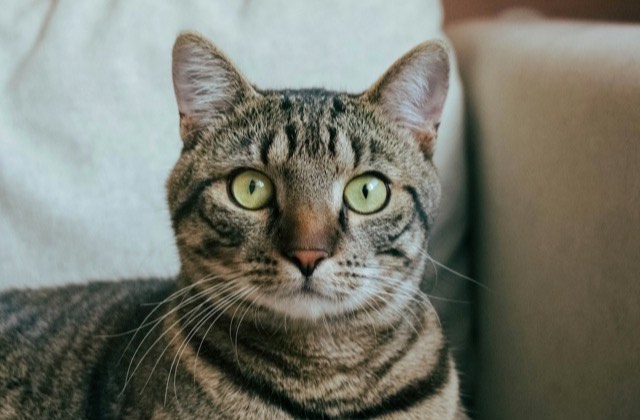
Cat water fountain: why you need one and how to choose it
Published by Planète Pets · managing editor: Clément Lacaille · how our guides are written
Descended from a desert feline, the cat is by nature a light drinker. Fed on kibble, it rarely covers its water needs on its own, which strains its kidneys and urinary tract over the long term. A water fountain taps into a well-known instinct: moving water attracts and reassures a cat far more than a stagnant bowl.
Contents · 5 sections
Why a fountain genuinely changes things
Circulating water stays oxygenated, cooler and continuously filtered. Many owners find their cat drinks more often and for longer than with a plain bowl, and stops begging at the tap or dipping a paw into glasses along the way. Better hydration means more diluted urine and kidneys under less strain over the years. It is particularly relevant for cats fed exclusively on kibble, neutered cats and seniors. If your cat has already had urinary problems, discuss it with your vet: hydration is often part of the recommendations, alongside an appropriate diet.
Plastic, stainless steel or ceramic?
- Plastic: light and affordable (often 20 to 40 €), but it scratches and can encourage feline chin acne in some sensitive cats.
- Stainless steel: hygienic, durable, easy to run through the dishwasher; expect 30 to 70 €.
- Ceramic: stable, attractive and very hygienic, between 35 and 80 € depending on the model.
The technical criteria that count
Three things make the difference day to day. First, noise: a quiet pump is essential, as a humming motor can put off timid cats. Next, capacity: 1.5 to 3 litres suits a one- or two-cat household. Finally, the flow style: waterfall, bubbling dome or jet, every cat has its preferences; multi-mode models, like some offered by Catit or PetSafe, let you experiment. Battery-powered or motion-sensor versions also keep electricity use down.
Maintenance, the real catch to plan for
A poorly maintained fountain becomes a breeding ground for biofilm. Plan a full weekly clean, a filter change every two to four weeks (generally 2 to 5 € each) and regular descaling in hard-water areas. Choose a model that dismantles completely: it is the number one criterion Planète Pets uses in its comparisons.
Getting your cat to adopt the fountain
Place the fountain away from the litter tray and ideally at a distance from the food bowl, keep the old water bowl available at first, and start with the gentlest flow. Most cats take to it within a few days; warier ones sometimes need a few weeks, which does not diminish the value of the equipment. To go further on nutrition and hydration, explore our cat food section.
An accessory from our shop for this use: Raised-edge silicone feeding mat for cats (€25.90) · the whole shop
For your cat, at Le Félin (same family, zero commission): Arbre à chat en bois design (from €99.99)
This guide is part of Planète Pets’s Cats universe. Our advice is general in nature: for any health concern, your veterinarian remains the only reference.