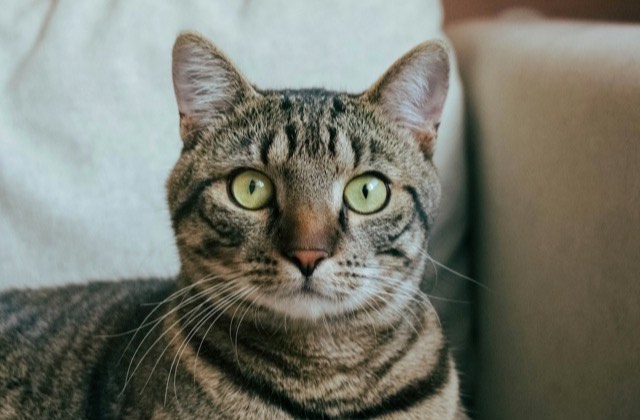
Dry food for neutered cats: how to prevent weight gain
Published by Planète Pets · managing editor: Clément Lacaille · how our guides are written
Neutering permanently alters a cat’s metabolism: its energy needs drop while its appetite, if anything, tends to grow. Without adjusting its diet, weight gain sets in within a few months. Choosing the right kibble then becomes a health matter, not just a marketing claim.
Contents · 5 sections
What changes after neutering
After the operation, a cat’s energy expenditure falls noticeably while its sense of satiety becomes less well regulated. Many neutered cats also turn more sedentary, which widens the imbalance further. The risk: excess weight that eventually promotes diabetes, joint problems and urinary issues. That is why “neutered cat” ranges feature a reduced calorie density and maintained protein content to preserve muscle mass.
What to look for on the label
- Animal protein at the top of the list: cats are strict carnivores; protein must remain the backbone of the recipe.
- Moderate fat: this is the main lever for cutting calories without starving the animal.
- Fibre and satiety: a slightly higher fibre content helps the cat feel full.
- Urinary support: since neutered cats are more prone to urinary trouble, a good mineral balance matters.
Established brands such as Royal Canin, Purina and Hill’s offer dedicated ranges, as do many high-protein brands. Expect to pay 15 to 40 € for a 2 kg bag depending on positioning, or a monthly budget of 15 to 35 € for an average-sized cat.
The portion matters as much as the recipe
The best kibble cannot compensate for a bowl kept filled to the brim. Weigh the daily ration recommended by the manufacturer, adjust it to your cat’s ideal weight, and split it into several small meals. A slow feeder or a puzzle bowl slows down eating and keeps the cat busy, a real plus in a flat, alongside indoor play.
Getting the food transition right
Switch kibble over 7 to 10 days by gradually mixing the old and new food, increasing the share of the new one each day. An abrupt switch can cause digestive upset or an outright refusal, cats being deeply attached to their feeding habits. And do not forget hydration: pairing kibble with wet food or a water fountain helps protect the urinary tract.
When should you see the vet?
If your cat gains weight despite controlled portions, begs constantly or shows a change in general condition, a veterinary check-up is in order: only your vet can set a target weight and rule out a medical cause. To compare the ranges on the market, browse our guides in the cat food section.
An accessory from our shop for this use: Raised-edge silicone feeding mat for cats (€25.90) · the whole shop
See it at Le Félin, a shop from the same family (zero commission): Arbre à chat design luxe (from €129.99)
This guide is part of Planète Pets’s Cats universe. Our advice is general in nature: for any health concern, your veterinarian remains the only reference.