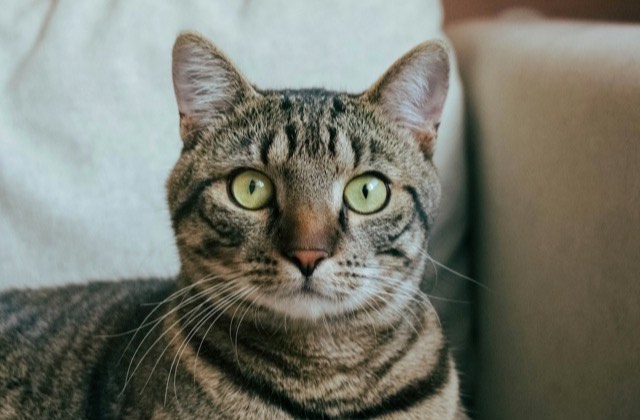
Feeding an Ocicat: the needs of an athletically built cat
Published by Planète Pets · managing editor: Clément Lacaille · how our guides are written
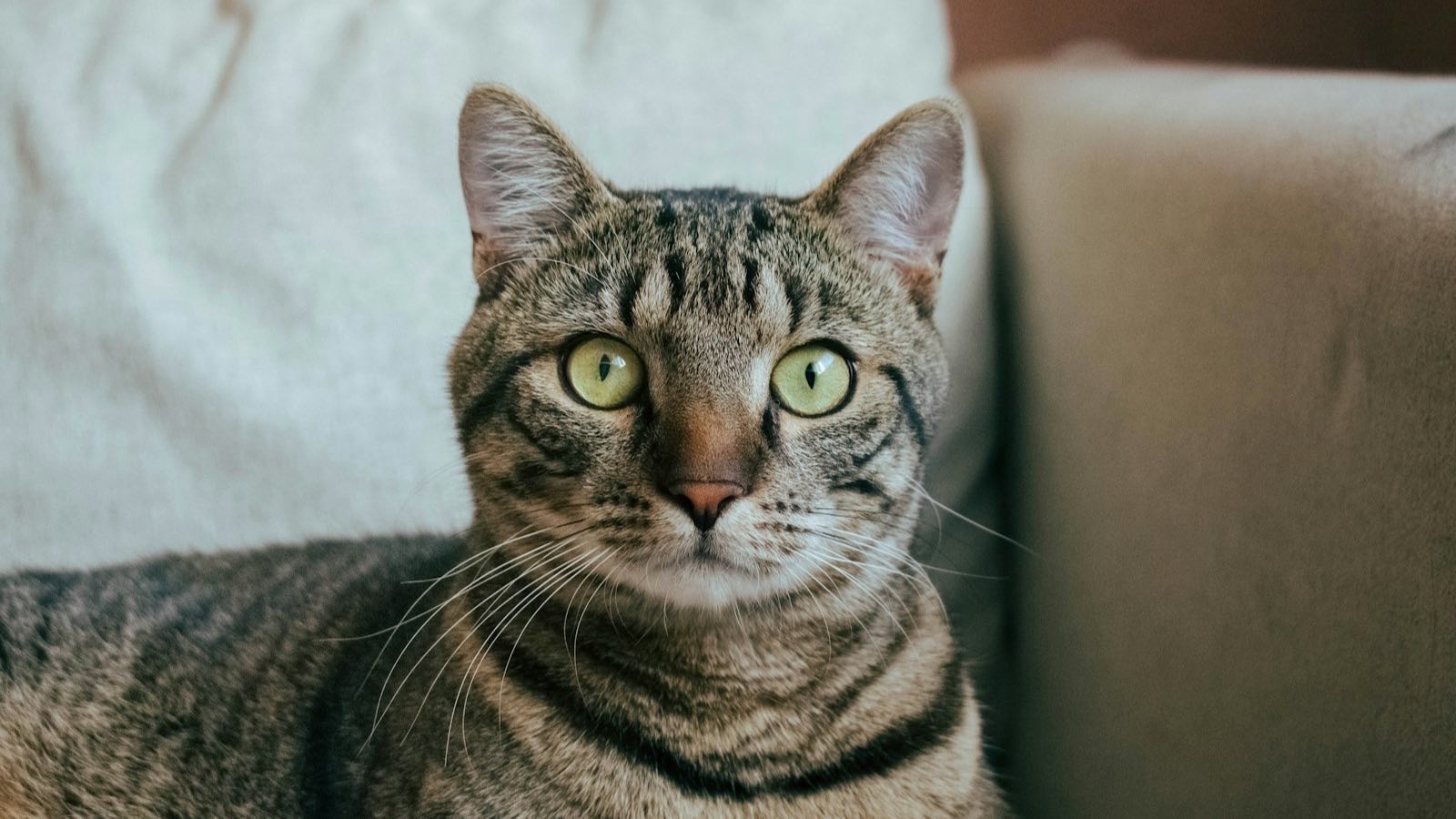
With its wild-looking spotted coat, the Ocicat hides an entirely domestic cat underneath, but a very real one in terms of muscle: a large frame, a high spontaneous activity level and a hearty appetite that call for a ration built for the individual rather than a standard adult kibble portion. A study by Bermingham, Thomas, Cave, Morris, Butterwick and German, published in 2010 in the British Journal of Nutrition, used indirect calorimetry to measure the actual energy requirements of adult cats and found that these needs vary widely with muscle mass and individual activity level, well beyond the generic guidelines printed on kibble bags. See the full breed profile on our Ocicat page and more pointers in the food section.
Contents · 4 sections
Why does an Ocicat eat more than an average cat?
Muscle tissue burns more energy at rest than fat tissue, and the Ocicat, a large-framed breed with well-developed musculature, keeps that mass maintained even without particular effort. Combined with a high spontaneous activity level, this baseline expenditure often justifies a ration 15 to 20% higher than that of an average-framed cat at the same displayed weight, a gap easily missed if you go by the generic chart on the bag alone.
How many meals, and what kind of ration?
Two to three meals measured on a kitchen scale, with an adult kibble rich in named animal proteins, work better than free-feeding, which doesn't distinguish real appetite from actual caloric needs. A gradual adjustment over several weeks, judging by body shape rather than a fixed number, lets you match the true expenditure of each individual, which varies with the intensity of its daily play sessions.
What signs of good physical condition should you watch for?
- A clearly defined waist seen from above, without excess fat but without overly prominent ribs either
- Firm muscle tone under the hand, consistent with the activity you observe day to day
- A stable appetite from one day to the next, a sudden drop deserving a vet check in a breed that's normally a hearty eater
- A regular monthly weigh-in, more reliable than a visual check on a cat with a short, dense coat
Our guide to monthly cat food budget helps put a number on this extra ration over a year.
Frequently asked questions
Is an Ocicat more prone to weight gain than average?
No, if anything the opposite is true: its naturally high activity level often protects it from weight gain, as long as the ration genuinely tracks its expenditure rather than copying a sedentary cat's portion.
Does it need a specific "large breed" kibble?
Not strictly, but a protein-rich formula built for an active cat suits it better than a maintenance recipe designed for a cat that moves little.
Are milk or protein supplements worth adding?
No, most adult cats digest lactose poorly, and a good-quality, correctly measured kibble already covers protein needs without any extra supplement.
An accessory from our shop for this use: Raised-edge silicone feeding mat for cats (€25.90) · the whole shop
For the gear, at Le Félin (same family, zero commission): Arbre à chat design cactus (from €99.99)
This guide is part of Planète Pets’s Cats universe. Our advice is general in nature: for any health concern, your veterinarian remains the only reference.