Why cats stay indifferent to sweetness: what it means for choosing treats
Published by Planète Pets · managing editor: Clément Lacaille · how our guides are written
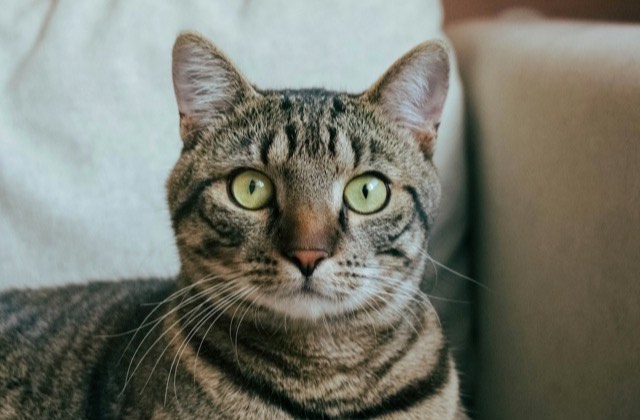
A cat that stays completely unmoved by a slice of cake, while loudly demanding a piece of chicken, isn't showing dietary wisdom: it's genetically unable to perceive sweet taste at all. All our pointers are in the cat food section, on the cat page.
Contents · 4 sections
What a landmark study shows
A study by Li, Li, Wang, Cao, Maehashi, Huang, Bachmanov, Reed, Legrand-Defretin, Beauchamp and Brand, published in 2005 in PLOS Genetics, identified a pseudogene of the sweet-taste receptor Tas1r2 in cats, rendered non-functional by a mutation, which explains the measured behavioural indifference toward sweet solutions (see the study). Unlike dogs, which are omnivores able to detect sweetness, cats, as strict carnivores, lost that ability over the course of their evolution, since it served no purpose for a diet made up almost entirely of prey.
What this actually changes about palatability
- A cat never chooses a kibble "because it tastes sweet": its appeal depends on animal protein, fat and above all smell, which matters far more to cats than to humans.
- A sweet treat made for humans (cookies, chocolate, pastries) gives a cat no specific taste pleasure, only fat and sometimes toxic ingredients like chocolate or xylitol.
- A cat that "loves" yogurt or ice cream is really reacting to the creamy texture and dairy fat, never to the sugar itself.
Why this is useful to know day to day
Understanding this lack of sweet perception helps resist a cat begging near a dessert: it isn't after the sweet flavour but the smell of fat or dairy that often comes with it. Saving extra calories for real cat treats stays a safer bet, as our guide on premium versus store-brand kibble covers. This genetic trait also explains why cats predisposed to diabetes, such as the Burmese, get no taste benefit from a sweet food: our article on preventing feline diabetes through diet covers the levers that actually matter, centered on total carbohydrates rather than perceived sweetness.
Frequently asked questions
Could a cat still develop a preference for sweet foods?
No, the absence of a functional receptor prevents any perception of sweetness as such, regardless of repeated exposure to that kind of food.
Why do some cats seem drawn to ice cream?
The appeal comes from the fat and dairy protein, not the sugar; ice cream is still best avoided for a cat, mainly because of the lactose.
Does this trait apply to all felines?
Yes, the same Tas1r2 gene mutation has been found in several other feline species studied, suggesting a shared, ancient loss across the cat family.
Should I worry if a cat refuses a treat unrelated to sugar?
No, a refusal is almost always down to smell, texture or freshness, never a perceived lack of sweetness.
An accessory from our shop for this use: Raised-edge silicone feeding mat for cats (€25.90) · the whole shop
For the gear, at Le Félin (same family, zero commission): Arbre à chat en bois flotté (from €219.99)
This guide is part of Planète Pets’s Cats universe. Our advice is general in nature: for any health concern, your veterinarian remains the only reference.