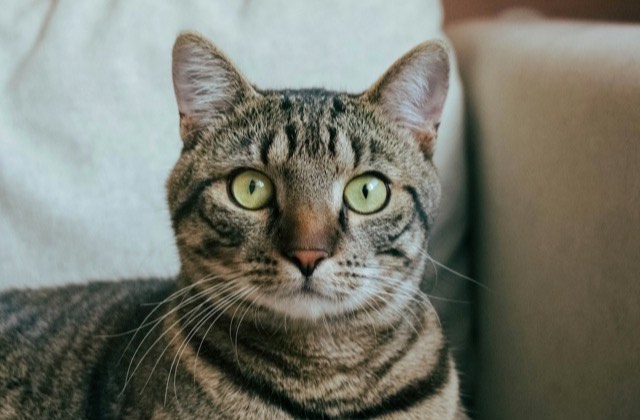
Burmese cats: preventing feline diabetes through diet
Published by Planète Pets · managing editor: Clément Lacaille · how our guides are written
The Burmese combines a hearty appetite, a very sociable temperament that loves joining in at family meals, and a documented genetic predisposition to diabetes mellitus. Put together, these three traits make this a breed where food choices matter more than average for long-term health. All our pointers are in the cat food section, on the cat page.
Contents · 6 sections
Why is the Burmese more exposed to diabetes?
A study by Rand, Bobbermien, Hendrikz, Copland and Beijerink, published in 1997 in the Australian Veterinary Journal, showed a clear over-representation of Burmese cats among diagnosed feline diabetes mellitus cases in Australia, suggesting a breed-specific genetic component beyond obesity alone (see the study). This predisposition doesn't mean every Burmese will develop diabetes, but it justifies earlier and more systematic dietary attention than for a breed with no such link.
Which food choices help lower the risk?
- Weighed portions rather than eyeballed servings, to avoid a gradual calorie creep
- Food low in fast-digesting carbohydrates, favoring recipes high in animal protein
- Meals split into several smaller portions to limit blood sugar spikes from one large meal
- A gradual switch to a neutered-cat formula if the Burmese is less active after the procedure
Does weight play a particular role in this breed?
Yes: as in most cats, obesity remains the main modifiable risk factor for feline diabetes, and a slightly overweight Burmese stacks that factor on top of its breed predisposition. A slow feeder bowl slows down eating and helps spot excessive gobbling, which often signals weight gain to come if left uncorrected.
What early warning signs should be watched for?
Unusual thirst, more frequent or heavier urination, an appetite that increases without matching weight gain, or conversely weight loss despite a good appetite, should all prompt a prompt vet visit in this at-risk breed.
Is diet alone enough to fully prevent diabetes?
No: it lowers the risk without erasing it, since the genetic component stays outside anyone's control. Regular veterinary follow-up, with weigh-ins and occasional blood glucose checks in an adult Burmese, usefully rounds out day-to-day dietary care.
Frequently asked questions
Do all Burmese cats develop diabetes?
No, the predisposition raises the statistical risk but doesn't make the disease inevitable; many Burmese never develop it.
Should treats be avoided entirely in this breed?
Not entirely, but in limited amounts and factored into the overall calorie ration, as for any cat at risk of weight gain.
From what age should dietary vigilance start?
From adulthood onward, without waiting for a first clinical sign, given the documented breed predisposition.
In our shop, for this use: Raised-edge silicone feeding mat for cats (€25.90) · the whole shop
See it at Le Félin, a shop from the same family (zero commission): Arbre à chat petit espace (from €109.99)
This guide is part of Planète Pets’s Cats universe. Our advice is general in nature: for any health concern, your veterinarian remains the only reference.