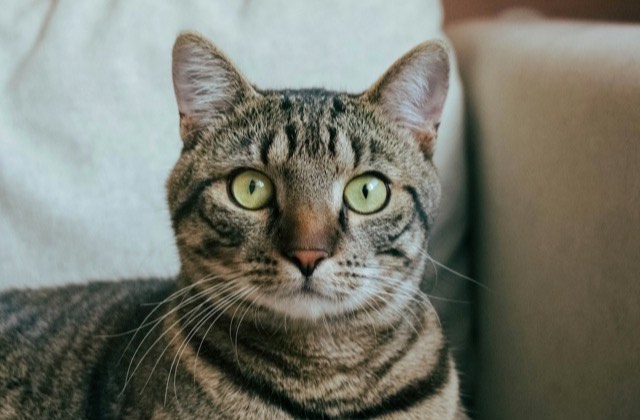
Feline idiopathic cystitis: what a landmark study shows about environmental enrichment
Published by Planète Pets · managing editor: Clément Lacaille · how our guides are written
A cat making repeated, painful trips to the litter box with no infection identified is often dealing with feline idiopathic cystitis, a condition closely tied to stress and the cat's environment. Only a vet can make this diagnosis after ruling out other urinary causes. All our pointers are in the cat care and grooming section, on the cat page.
Contents · 4 sections
What a landmark study shows
A study by Buffington, Westropp, Chew and Bolus, published in 2006 in the Journal of Feline Medicine and Surgery, evaluated a multimodal environmental modification (MEMO) protocol in cats with recurring idiopathic cystitis, acting on water resources, litter, vertical space and social interactions. The cats followed showed a marked reduction in lower urinary tract signs and stress-related behaviours, a result achieved without additional medication, purely through adjusting the everyday environment.
What levers does the study identify as useful
- Easier, more varied access to water (several spots, away from litter and food) encourages better hydration, which favours less concentrated urine.
- Enough clean litter boxes, spread throughout the home, reduce urine retention linked to avoiding a box perceived as dirty or poorly placed.
- Regular access to vertical space and calm resting areas lowers tension, especially in a multi-cat household or with an identifiable source of stress.
How to apply these principles in practice
Multiplying water points, including a continuous-flow fountain that encourages some cats to drink more, as covered in our cat water fountain guide, follows the study's findings directly. The number and placement of litter boxes matter just as much: our article on the cat litter mat rounds out these habitat pointers on keeping the litter area clean, a frequent avoidance factor for a stressed cat.
Frequently asked questions
Do these changes replace veterinary treatment?
No, they come on top of full veterinary follow-up, especially to rule out stones or an infection needing specific treatment.
How long before flare-up frequency improves?
The study observes gradual improvement over several weeks to months, since environmental modification works on the underlying pattern rather than an acute flare-up already underway.
Does a single indoor cat need this too?
Yes, stress doesn't only come from living with other cats; a low-stimulation environment can also play a role for a cat living alone. Find all our guides in the cat hub.
See it in the Planète Pets shop: Scissor-style nail clipper for cats (€17.90) · the whole shop
For the gear, at Le Félin (same family, zero commission): Arbre à chat vert foncé (from €139.99)
This guide is part of Planète Pets’s Cats universe. Our advice is general in nature: for any health concern, your veterinarian remains the only reference.