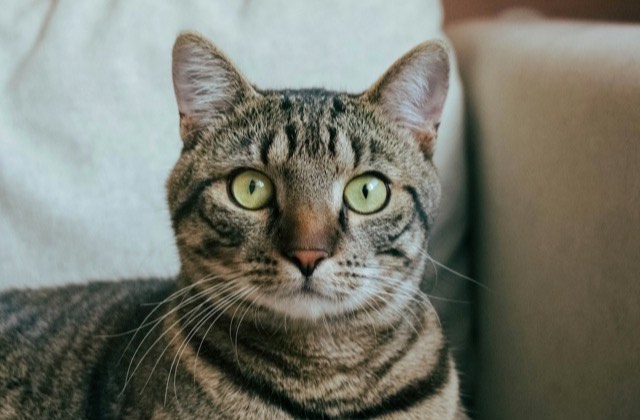
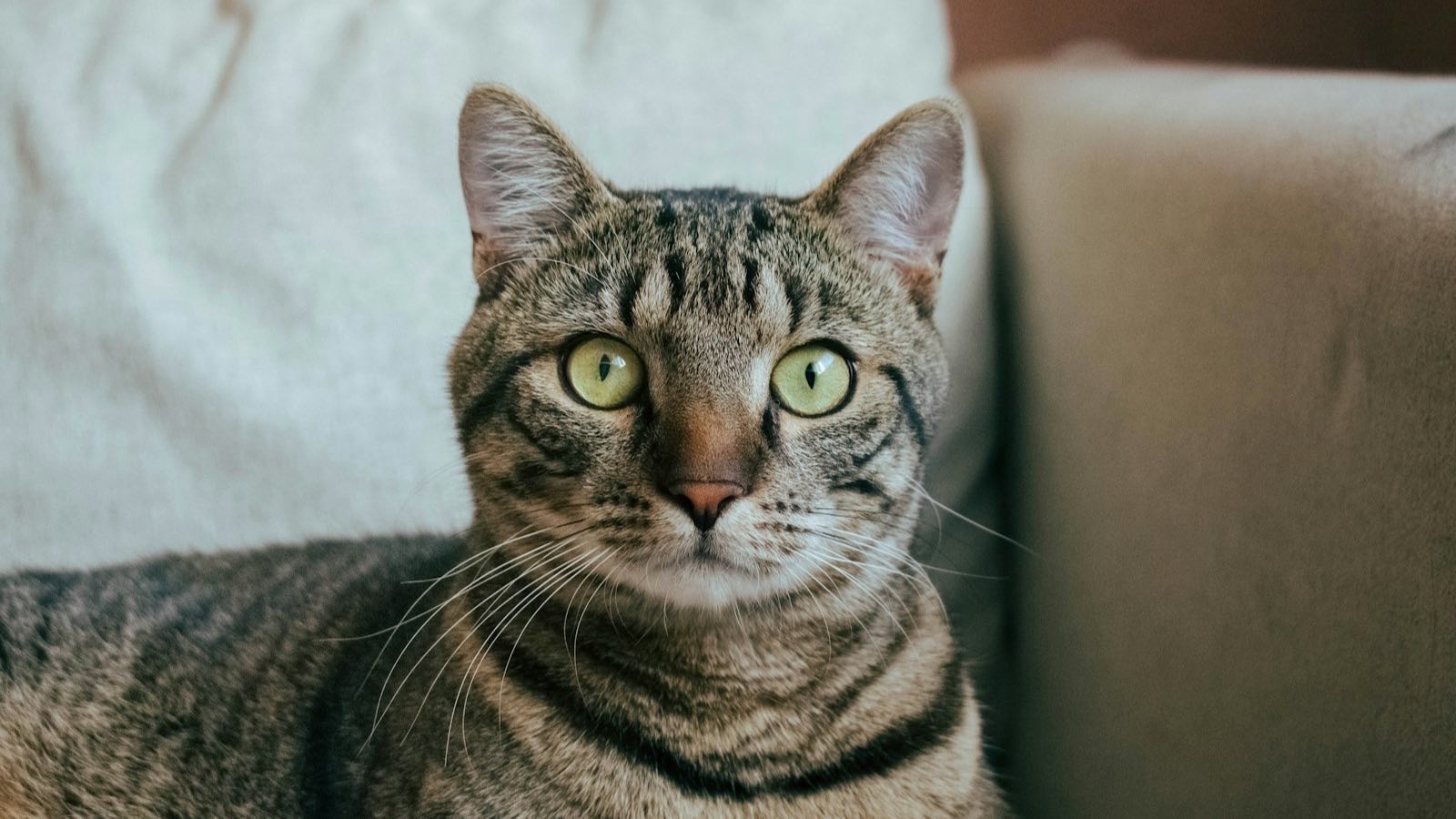
Hyperthyroidism in senior cats: the early signs not to miss
Published by Planète Pets · managing editor: Clément Lacaille · how our guides are written
Feline hyperthyroidism has become, over just a few decades, one of the most common hormonal diseases in cats over 10 years old. A landmark review by Dr Mark Peterson, published in 2012 in the Journal of Feline Medicine and Surgery, describes its rise as epidemic in several countries and surveys the leading hypotheses put forward to explain it, without any single cause reaching consensus. Find our health guidance in the care and grooming section.
Contents · 4 sections
A deceptive sign: a cat that seems to be thriving
The trap with hyperthyroidism is that, at first, it can give the illusion of a cat in great shape: a sharply increased appetite, more activity and vocalising, sometimes even a leaner look that owners read as positive. It is precisely this combination of gradual weight loss despite a maintained, even increased, appetite that should raise concern — far more than the lethargy usually associated with illness in older cats. Other signs often accompany it: a duller coat despite unchanged grooming habits, intermittent vomiting or diarrhoea, and increased thirst, a sign that overlaps with other causes covered in our guide to cats that drink a lot.
Why early detection changes the outlook
Left untreated, hyperthyroidism keeps the heart rate elevated over the long term and can lead to secondary heart damage, along with sharply reduced muscle mass. A simple blood test measuring thyroid hormone gives a reliable diagnosis as soon as the first doubts appear, before these complications set in. Current treatment options — long-term medication, an iodine-restricted therapeutic diet, or radioiodine therapy — all offer good disease control when started early.
Extra vigilance past age 10
An annual vet check that includes palpating the neck and, from a certain age, routine thyroid blood testing helps catch the disease before clear signs appear. This vigilance fits into the broader care of an older cat, alongside the kind of setup covered in our guide to setting up the home for a senior cat.
Frequently asked questions
Can a young cat be affected?
It is very rare: feline hyperthyroidism affects almost exclusively cats over 8 to 10 years old, with a clear peak past age 12.
Is weight loss always present?
It is very common but not universal in the earliest stages, which is why a blood test remains more reliable than watching body weight alone for early detection.
See it in the Planète Pets shop: Foldable double-layer cat litter mat (€32.90) · the whole shop
See it at Le Félin, a shop from the same family (zero commission): Arbre à chat maine coon style désert (from €159.99)
This guide is part of Planète Pets’s Cats universe. Our advice is general in nature: for any health concern, your veterinarian remains the only reference.