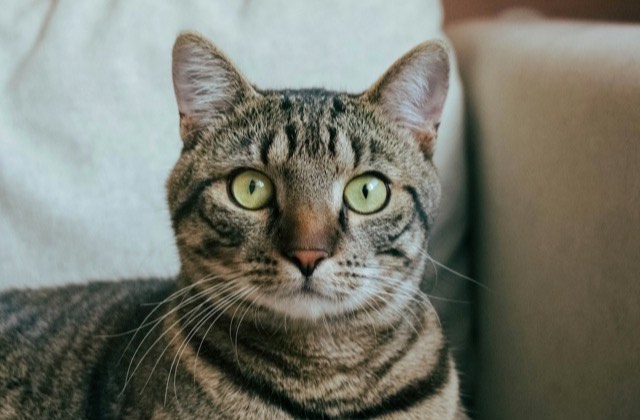
Cat drinking a lot: when excessive thirst should worry you
Published by Planète Pets · managing editor: Clément Lacaille · how our guides are written
The cat is originally a desert animal, adapted to draw most of its water from its prey. It naturally drinks little, so a clear and lasting rise in water intake (called polydipsia) is a signal not to ignore. In cats, excessive thirst frequently accompanies three important diseases: diabetes mellitus, chronic kidney disease and hyperthyroidism, whose prevalence rises with age. Our other health pointers are in the cat care and grooming section.
Contents · 4 sections
How much does a cat normally drink?
On average, a cat fed on dry food drinks more than one fed on wet food, because kibble contains very little water. As a rough guide, intake that lastingly exceeds around fifty millilitres per kilo per day is considered high. More than the exact figure, it is the change that matters: a cat that suddenly starts emptying its water bowl, drinking from the tap or from glasses when it never did before, should be watched closely.
Measure before you consult
To pin it down, fill the water bowl with a measured amount in the morning and note what is left 24 hours later (allowing for evaporation and other water sources). Also watch the litter box: more abundant urine, a tray that saturates faster, often go with polydipsia. These observations, logged over a few days, are valuable for the vet.
The associated signs not to miss
Increased thirst becomes worrying if it comes with weight loss despite a good appetite (suggesting diabetes or hyperthyroidism), with loss of appetite and vomiting (possible kidney involvement), or with a general drop in energy. An overweight cat is especially at risk of diabetes: our weight-loss program for cats helps reduce that factor. Faced with these signs, a blood test and urine analysis settle the matter quickly.
Frequently asked questions
Does heat explain increased thirst?
Partly: in hot weather or after intense activity, a cat drinks more for a while. It is a lasting rise, with no obvious cause, that should raise concern.
Does switching to dry food increase thirst?
Yes, a cat moving from wet food to kibble mechanically drinks more. That diet change explains a gradual rise, not a sudden intense thirst.
Should I limit water for a cat that drinks too much?
No, never. Restricting water is dangerous: on the contrary, leave it freely available and look for the cause with your vet.
An accessory from our shop for this use: Stainless-steel pin brush for cats (€18.90) · the whole shop
For your cat, at Le Félin (same family, zero commission): Arbre à chat en bois flotté (from €219.99)
This guide is part of Planète Pets’s Cats universe. Our advice is general in nature: for any health concern, your veterinarian remains the only reference.