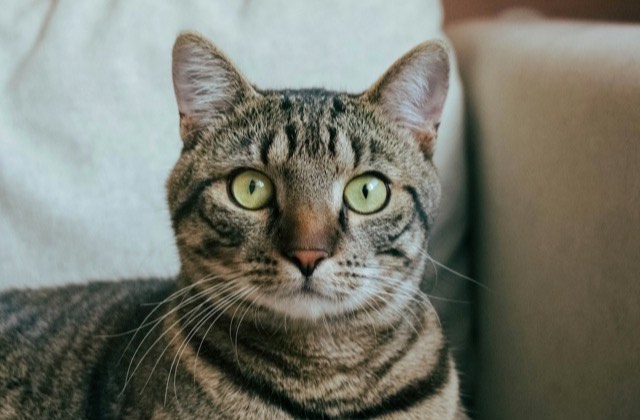
Cat drooling excessively: possible causes and when to see a vet
Published by Planète Pets · managing editor: Clément Lacaille · how our guides are written
A cat that drools a little while purring on your lap is rarely a cause for concern, but new, heavy, or unexplained drooling deserves a closer look. A study by O'Neill, Blenkarn, Brodbelt, Church and Freeman, published in 2023 in the Journal of Feline Medicine and Surgery, found that periodontal disease is the single most commonly diagnosed disorder in cats seen at primary veterinary practices in the UK, with an annual prevalence of around 15% (see the study). Find all our health guides in the cat care and grooming category.
Contents · 4 sections
When is drooling still normal?
A relaxed cat kneading or purring may let out a bit of saliva quite harmlessly — a reflex tied to contentment, much like purring itself. This kind of drooling stays light, occasional, and stops as soon as the cat shifts position.
Which causes should raise concern?
Advanced periodontal disease, inflamed gums, or a broken tooth are among the most common causes of persistent drooling, often paired with bad breath. Stress or nausea, particularly during a car ride, can also trigger sudden salivation. More rarely, something stuck under the tongue, contact with a toxic plant, or kidney disease can explain heavy, unusual drooling.
What to check before the vet visit
- Notice whether the drooling comes with strong mouth odor, often a sign of dental disease
- Gently check inside the mouth for anything stuck, without forcing the jaws open
- Note the context — a car trip, new food, an accessible plant — to help guide the vet
- Seek care without delay if the drooling comes with vomiting, reduced appetite, or bleeding gums
Our guide to tartar and dental care in cats covers how to prevent the leading cause of chronic drooling in adult cats.
Frequently asked questions
Can car sickness really make a cat drool?
Yes, stress and nausea from a car trip commonly trigger heavy salivation, which usually stops shortly after the trip ends.
Is pink or blood-tinged drool serious?
It calls for a prompt vet visit, since it often points to a mouth injury, a fractured tooth, or very inflamed gums that need examining right away.
Can brushing alone stop drooling caused by tartar?
Regular brushing prevents tartar buildup, but once periodontal disease has set in, a veterinary dental cleaning is usually needed before drooling returns to normal.
See it in the Planète Pets shop: Stainless-steel pin brush for cats (€18.90) · the whole shop
See it at Le Félin, a shop from the same family (zero commission): Arbre à chat gris (from €79.99)
This guide is part of Planète Pets’s Cats universe. Our advice is general in nature: for any health concern, your veterinarian remains the only reference.