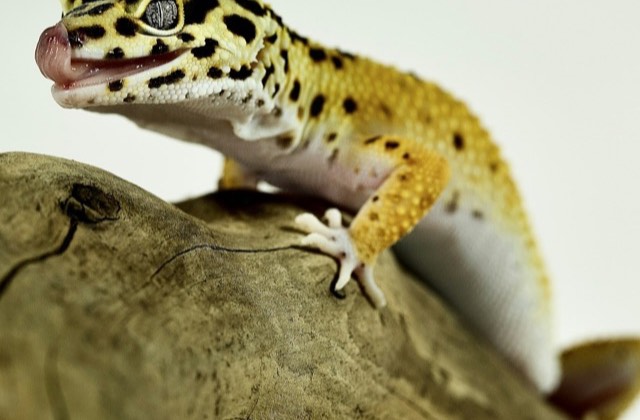
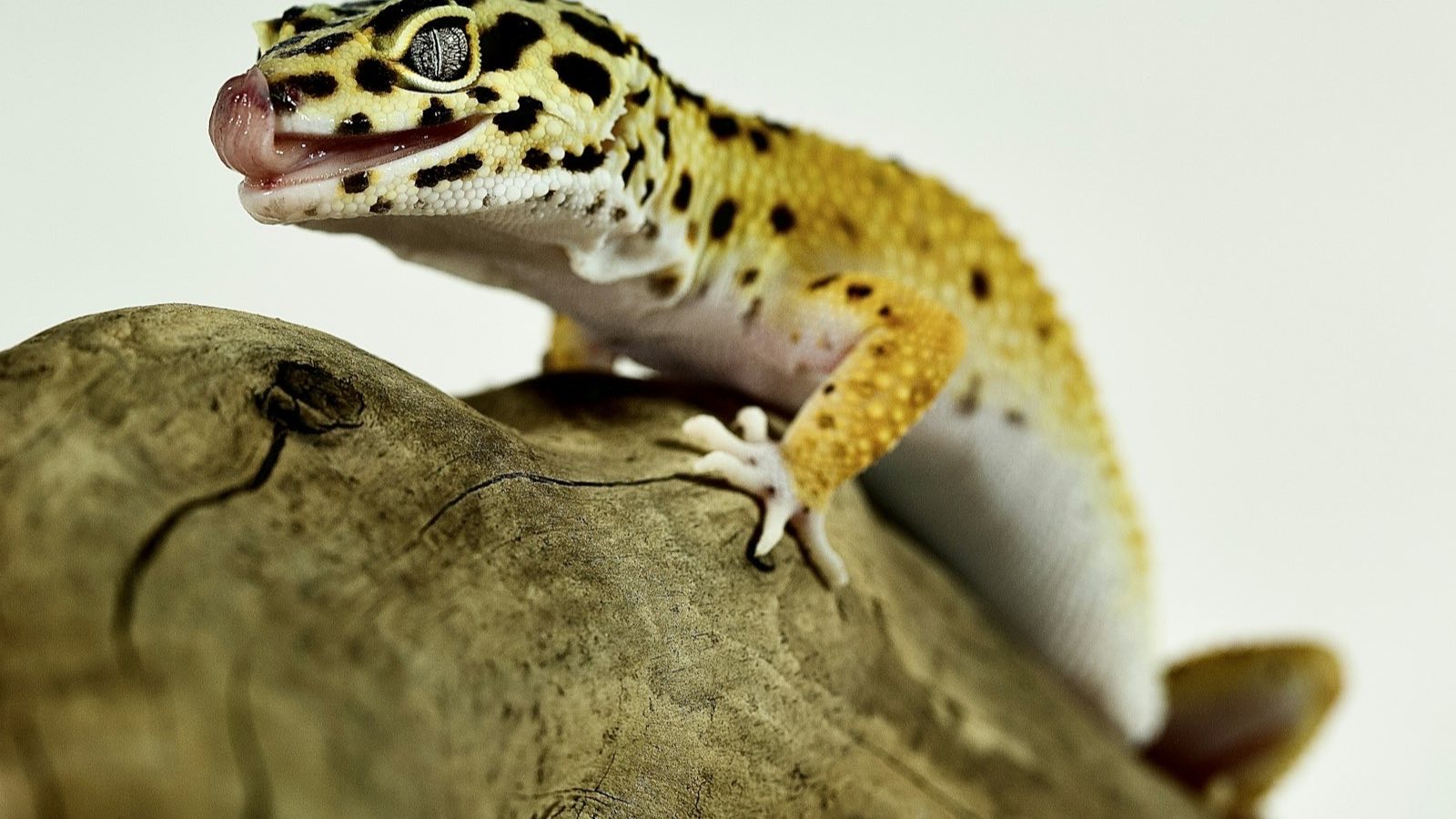
Leopard gecko: why keeping an eye on tail diameter tells you a lot about its health
Published by Planète Pets · managing editor: Clément Lacaille · how our guides are written
In the leopard gecko (Eublepharis macularius), the tail isn't just a visual feature: it's a fat reserve that directly reflects the animal's overall health. A study by Nipithakul and coauthors, published in 2025, tracked 35 captive leopard geckos across 23 enclosures over four months in Thailand, and found that a thinner tail diameter was linked to a markedly higher risk of wasting syndrome, with each extra millimetre of diameter cutting that risk by roughly 67% (see the study). Find our other pointers in the care and grooming section.
Contents · 5 sections
Why the tail is a reliable indicator
Unlike many other reptiles, the leopard gecko stores a large share of its energy reserves directly in its tail rather than in the abdomen. A gradually thinning tail, even without dramatic weight loss on the scale, often signals an energy deficit that's already under way.
How to measure this diameter in practice
Compare the base of the tail to the width of the body at the hips: in a gecko in good condition, the tail should stay noticeably wider than the base of the hind legs. A monthly photo taken from above, always in the same position, tracks change without extra handling.
What to do if thinning is confirmed
Clear thinning warrants a precise weigh-in, a check on actual appetite over several days, and a prompt exotics vet opinion — the study itself flagged a parasitic infection (Cryptosporidium varanii) in a portion of affected animals. Simply increasing portion sizes isn't an adequate response to this signal on its own.
What other signs to pair with this check
Lethargy, abnormal stools and repeated food refusal round out the picture: on its own, mild temporary thinning isn't alarming, but combined with these other signs it should speed up a vet visit rather than waiting for more visible decline.
- Visual cue: tail noticeably wider than the base of the hind legs.
- Tracking: a monthly photo from above, same position each time.
- Measured risk: every millimetre less in diameter raises wasting risk.
- Possible cause: parasitic infection, to rule out via an exotics vet.
This tracking complements the regular weigh-ins covered in our guide to weighing your reptile, and follows on from our pointers on feeding a leopard gecko.
Frequently asked questions
Does a tail regrown after autotomy hold the same reserve volume?
Research on the topic shows a regenerated tail often stores more fat than the original, which can slightly skew the comparison in an animal that has already lost its tail.
Does an overweight leopard gecko show the opposite tail effect?
Yes, an unusually wide, rounded tail signals excess weight, best corrected by reducing meal frequency rather than nutritional quality.
Should a slight change after egg-laying in a female worry you?
A breeding female may show temporary thinning after laying; watch for recovery over the following weeks before being concerned.
In our shop, for this use: Ventilated clear box for feeder insects, transport and quarantine, 19 cm (€17.90) · the whole shop
This guide is part of Planète Pets’s Reptiles universe. Our advice is general in nature: for any health concern, your veterinarian remains the only reference.