Isopods and springtails: the bioactive terrarium's cleanup crew
Published by Planète Pets · managing editor: Clément Lacaille · how our guides are written
In a bioactive terrarium, isopods (woodlice) and springtails form what keepers call the "cleanup crew": they break down droppings, leftover food and dead plant matter before mould or odours can take hold. This detritivore role is not a minor detail — a landmark review of terrestrial isopod nutritional biology (Zimmer, 2002) shows how effective these terrestrial crustaceans are at fragmenting organic matter and making it available to soil micro-organisms. Find our other pointers in the toys and enrichment section.
Contents · 4 sections
Which species to choose
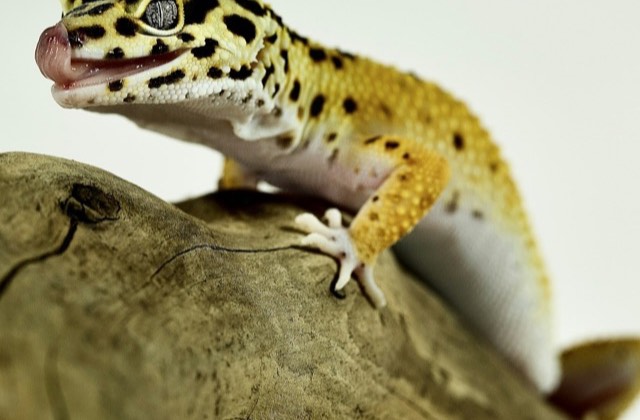
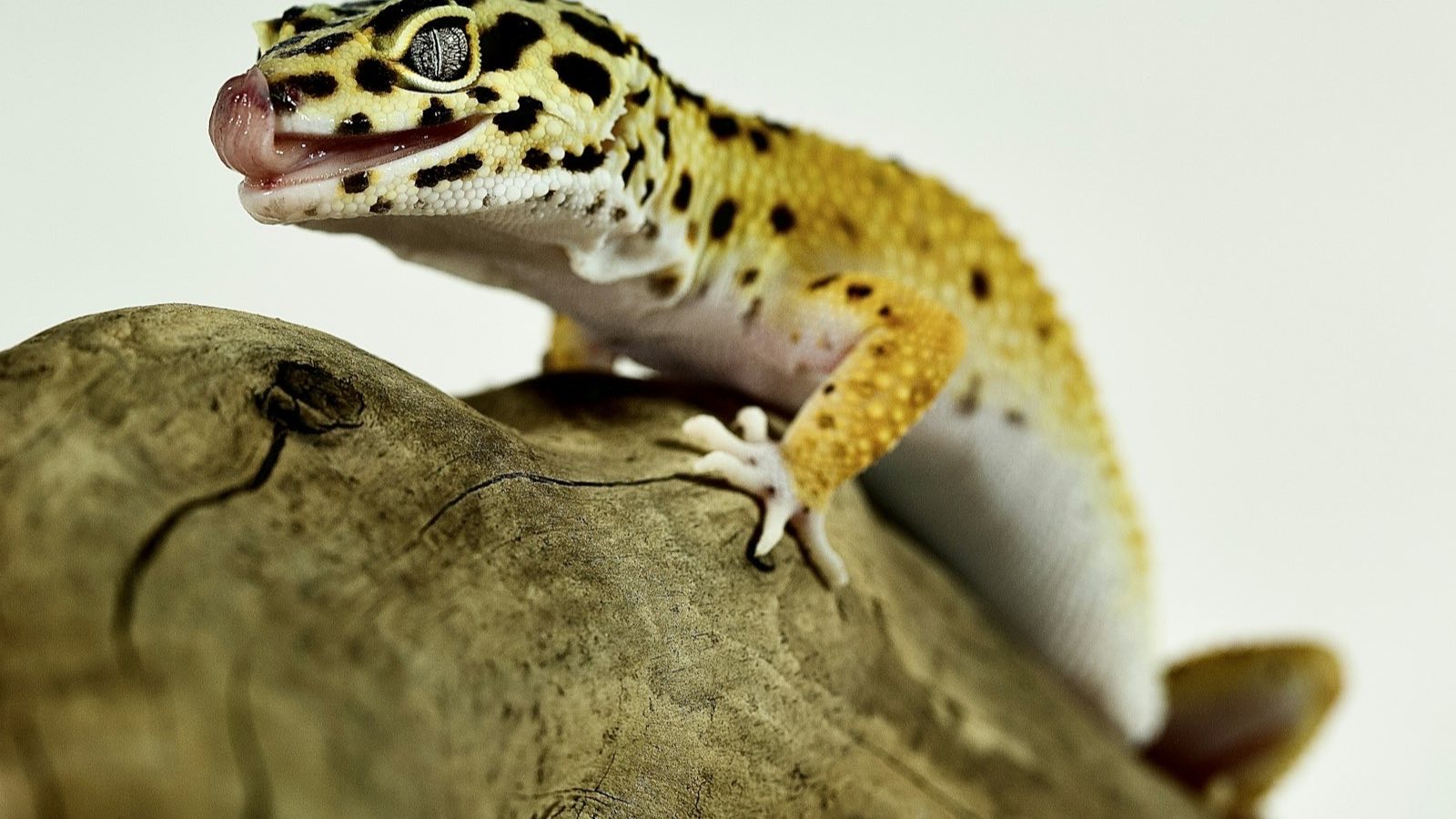
For a humid tropical terrarium, Porcellio scaber or Porcellionides pruinosus woodlice and white springtails (Folsomia candida) are the safe picks: hardy, easy to source from specialist breeders, and active across a wide humidity range. For a drier enclosure (leopard gecko, bearded dragon), drought-tolerant species such as Porcellio laevis work better, paired with a localised moist spot — the same principle as the leopard gecko's moist hide.
Quantity and setup
About fifty woodlice plus a springtail culture are enough to start a standard-sized enclosure; the population then adjusts naturally to the amount of waste available. Introduce them at least two to three weeks before the main occupant, giving them time to settle into the substrate and under the hides. Springtails, invisible most of the time, are the real backbone of the decomposition network; woodlice, more visible, finish the job on larger debris.
What they don't do
A cleanup crew reduces how often full cleans are needed, it does not remove the need for them. A poorly ventilated or waste-overloaded bioactive terrarium stays vulnerable to mould no matter how many detritivores it holds. Consider also the bioactive terrarium plants, which complete the cycle by absorbing nutrients released through decomposition.
Frequently asked questions
Will my reptile eat the isopods?
That's common and harmless for most insectivorous or omnivorous species; the population regenerates as long as the habitat stays favourable to them.
Do I need to feed them on top of the terrarium's waste?
An occasional supplement (dead leaves, vegetables, cuttlebone for calcium) speeds up their reproduction, especially in the first weeks.
Can a standard (non-bioactive) terrarium host isopods?
Yes, provided it has a natural substrate and stable humidity; on dry artificial substrate (paper, carpet) they won't survive long.
In our shop, for this use: Stick-on digital thermometer for aquarium and terrarium glass (€18.90) · the whole shop
This guide is part of Planète Pets’s Reptiles universe. Our advice is general in nature: for any health concern, your veterinarian remains the only reference.