Which plants should you choose for a bioactive terrarium?
Published by Planète Pets · managing editor: Clément Lacaille · how our guides are written
For a bioactive terrarium, the most reliable plants are pothos, Boston fern, devil's ivy and snake plant: they tolerate humidity, UVB light and occasional trampling. You will find more decor ideas in the reptile enrichment section. Avoid toxic plants such as dieffenbachia or lilies, which are dangerous if accidentally ingested.
Contents · 5 sections
Which plants handle a tropical terrarium best?
Pothos (Epipremnum aureum) is the beginner's safe bet: fast growth, tolerance for low light and resistance to the odd curious bite from a bearded dragon or a gecko. Boston fern loves the high humidity typical of crested gecko or frog terrariums. Devil's ivy and snake plant round out a setup nicely, coping with wider temperature swings.
Which plants suit a desert terrarium?
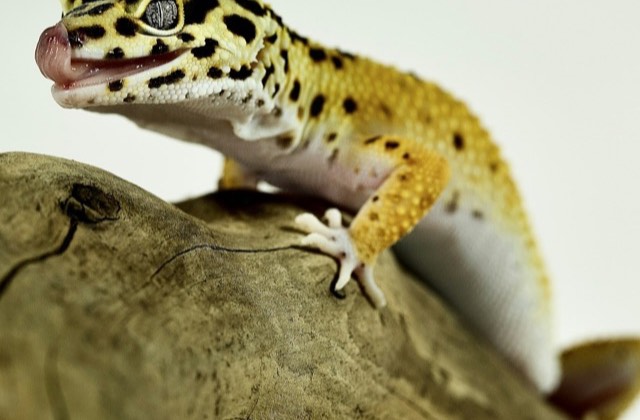
For a bearded dragon or a leopard gecko, drought-tolerant plants work best: haworthia, snake plant, or good-quality artificial plants if real upkeep is not realistic. Classic succulents like aloe or echeveria are best avoided: their sap can irritate a reptile's skin on prolonged contact.
Which plants should you absolutely avoid?
- Dieffenbachia: toxic if ingested, irritating sap;
- Lilies and peace lilies: toxic to many reptiles;
- Ficus: sap that irritates the skin on contact;
- Spiny cacti: injury risk as the animal moves around.
Round out this living decor with branches and climbing supports for a complete setup.
How do you plant without stressing your reptile?
Introduce plants in pots rather than straight into the substrate for the first few weeks, so you can watch whether your reptile nibbles or digs them up. Always rinse new plants in clean water to remove pesticide residue and unsuitable potting soil, then let the bioactive substrate's cleanup crew do the rest of the work.
Frequently asked questions
Are artificial plants a good alternative?
Yes, especially in a desert terrarium where live plants are more demanding to maintain. Choose models without small detachable parts.
Do plants need special lighting to grow?
The UVB fixture meant for the reptile is usually enough for shade-tolerant species like pothos; more demanding plants benefit from an extra light source.
In our shop, for this use: Stick-on digital thermometer for aquarium and terrarium glass (€18.90) · the whole shop
This guide is part of Planète Pets’s Reptiles universe. Our advice is general in nature: for any health concern, your veterinarian remains the only reference.