Heat mat or lamp: should you heat the terrarium from below or above?
Published by Planète Pets · managing editor: Clément Lacaille · how our guides are written
"Heat mat or lamp?" is one of the most common beginner questions in reptile keeping, and there is no universal answer: it depends on how the species warms up in the wild. Reptiles are ectotherms that regulate their temperature through behaviour, a principle laid down in the foundational work of Cowles and Bogert on reptile behavioural thermoregulation (1944): they move between warm and cool zones to hold their ideal temperature. So the real question is not the accessory, but where the heat comes from. Find our other pointers in the accessories and equipment section.
Contents · 4 sections
Heat from above: mimicking the sun
Diurnal, sun-loving species — bearded dragons, green anoles, many open-basking lizards — warm up in the wild by basking under direct rays. They need a radiant hot spot from above: a spot, halogen or ceramic bulb placed over a perch or a stone. That is the only way to create a true vertical gradient where the animal comes to "take the sun". We cover the technologies in our comparison halogen or ceramic and in the guide mat, cable or ceramic.
Heat from below: for whom?
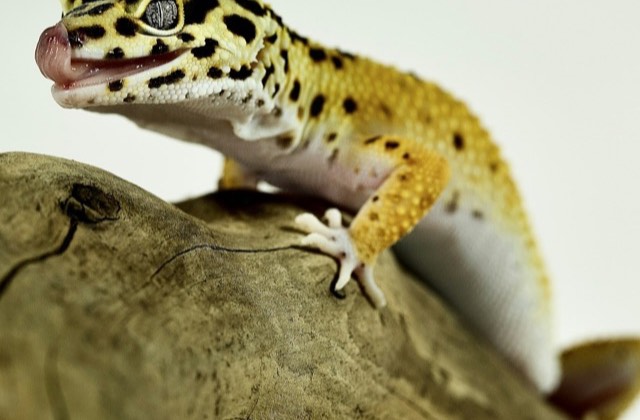
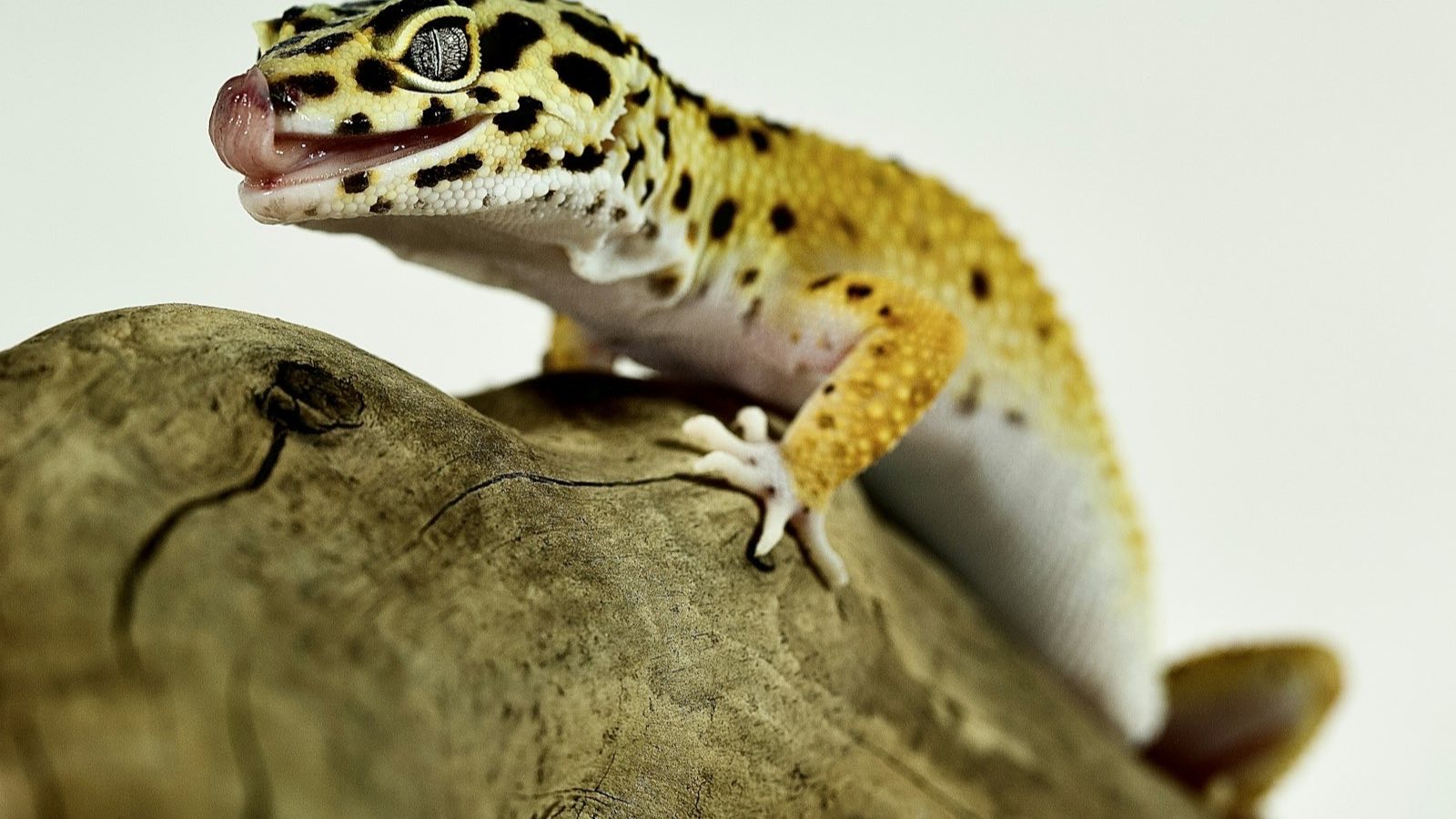
The heat mat, placed under part of the enclosure, warms the substrate and mainly suits ground-dwelling, nocturnal species that in the wild absorb heat stored by the soil and rocks — the leopard gecko is the textbook example, as are many snakes. Caution: the thermoreceptors of many diurnal reptiles poorly detect ventral heat, hence a burn risk if they do not "feel" the floor is too hot. A mat should therefore never be the only source for a sun-loving animal, and it is always used with a thermostat.
The rule that settles it
First identify your species' lifestyle: diurnal sun-basker = priority to radiant heat from above; nocturnal ground-dweller = gentle heat from below, possibly supplemented. In every case, a thermostat and an independent thermometer are essential to check the gradient. To choose the right habitat upstream, see which terrarium for a leopard gecko or bearded dragon, and for metabolism-related feeding, feeding the leopard gecko.
Frequently asked questions
Can you combine a mat and a lamp?
Yes, and it is often the best solution: the lamp creates the radiant hot spot by day, the mat provides a gentle background warmth, each on its own thermostat.
Can a heat mat burn my reptile?
Yes, if wired without a thermostat or on an overly conductive surface. Set and monitored, it stays safe for ground-dwelling species.
Is a lamp enough at night?
If the room drops below the species' needs, a non-light source (ceramic or a mat on a thermostat) takes over without disturbing the day/night cycle.
An accessory from our shop for this use: Stick-on digital thermometer for aquarium and terrarium glass (€18.90) · the whole shop
This guide is part of Planète Pets’s Reptiles universe. Our advice is general in nature: for any health concern, your veterinarian remains the only reference.