Water care for a Danio: 18 to 25°C, pH 6.5 to 7.5
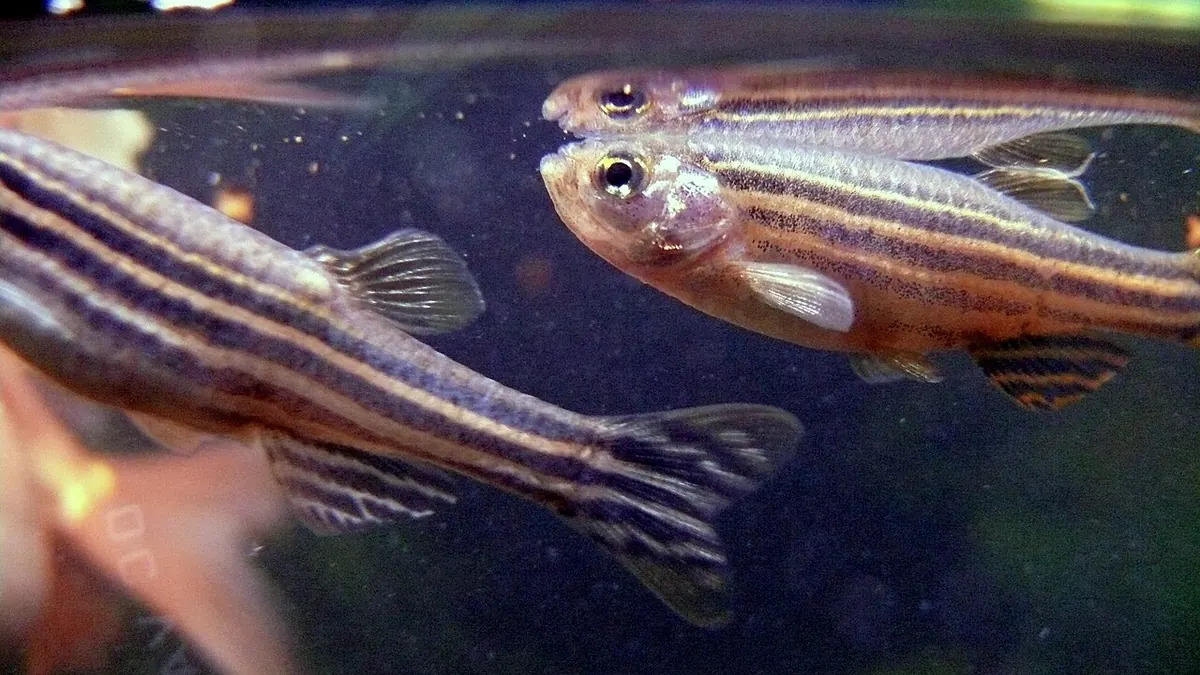

Danio : A very hardy species, tolerant of hardness and pH as long as the water stays clean and oxygenated. A 20 percent weekly change and good circulation are all it needs.
See it in the Planète Pets shop: Hang-on isolation and breeding box for aquariums (€28.90) · the whole shop
Outside our shipping area? The downloadable practical guide: Beginner axolotl: aquarium and care (€19)
🩺 This health information is general in nature and does not replace a consultation: at the slightest doubt about your animal’s condition, talk to your vet.
In short: 4 to 5 cm as an adult, at least 80 L and an 80 cm long tank for a school, water between 18 and 25 °C. Tireless and playful, it races against the current in a school and may harass slow, long-finned tankmates. A cool to temperate fish often kept without a heater, but demanding in length: an 80 cm tank and a lid since it jumps.
The Danio’s water: its real parameters
The Danio’s water contract has four clauses: 18 to 25°C, pH between 6.5 to 7.5, zero detectable nitrite, nitrates capped at 25 mg/L. A drop-test kit (NO2, NO3, GH, KH, pH) beats any strip — and the nitrogen cycle, three to four weeks before any fish, is non-negotiable.
Water changes and tank upkeep
10 to 20% of the volume weekly, with water pre-heated to tank temperature: thermal shock stresses more than imperfect water, gentle substrate siphoning as you go and filter media rinsed in tank water, never under the tap: chlorine sterilises your filter.
Health: what stalks the Danio
Known watch-points: white spot disease after an abrupt change and mycobacteriosis in inbred strains. Nearly every aquarium disease stems from degraded water or chronic stress: test the water BEFORE treating — medicine poured into loaded water makes everything worse. Well kept, a Danio lives 3 to 5 years.
Frequently asked questions
What water parameters for a Danio?
18 to 25°C, pH 6.5 to 7.5, zero nitrites and nitrates under 25 mg/L — checked with drop tests, not by eye.
How often should a Danio tank get water changes?
10 to 20% weekly, water brought to temperature, filter rinsed only in tank water. Consistency beats volume.
The guides that apply to you
- Ammonia in an aquarium: why the same reading is harmless at pH 6.5 and lethal at pH 8
A water test shows 0.5 mg/L of ammonia: the real danger depends almost entirely on the tank's pH and temperature. The reference calculations explain this hundredfold gap.
- GH, KH and pH: understanding and adjusting aquarium water hardness
GH, KH, pH: what do these three readings actually measure, and how do you adjust aquarium water hardness without stressing the fish?
- Aquarium and room humidity: when should you actually worry?
A large open tank releases water vapour continuously. In a poorly ventilated room, this humidity can over time favour mould on walls and wooden furniture.
- Water parameters for shrimp (Neocaridina, Caridina): the beginner's guide
Tolerant Neocaridina or demanding Caridina: aquarium shrimp don't share the same needs. GH, KH, pH, temperature and the danger of copper, explained to succeed with a shrimp tank.