Feeding a Danio: omnivore diet, frequency, mistakes
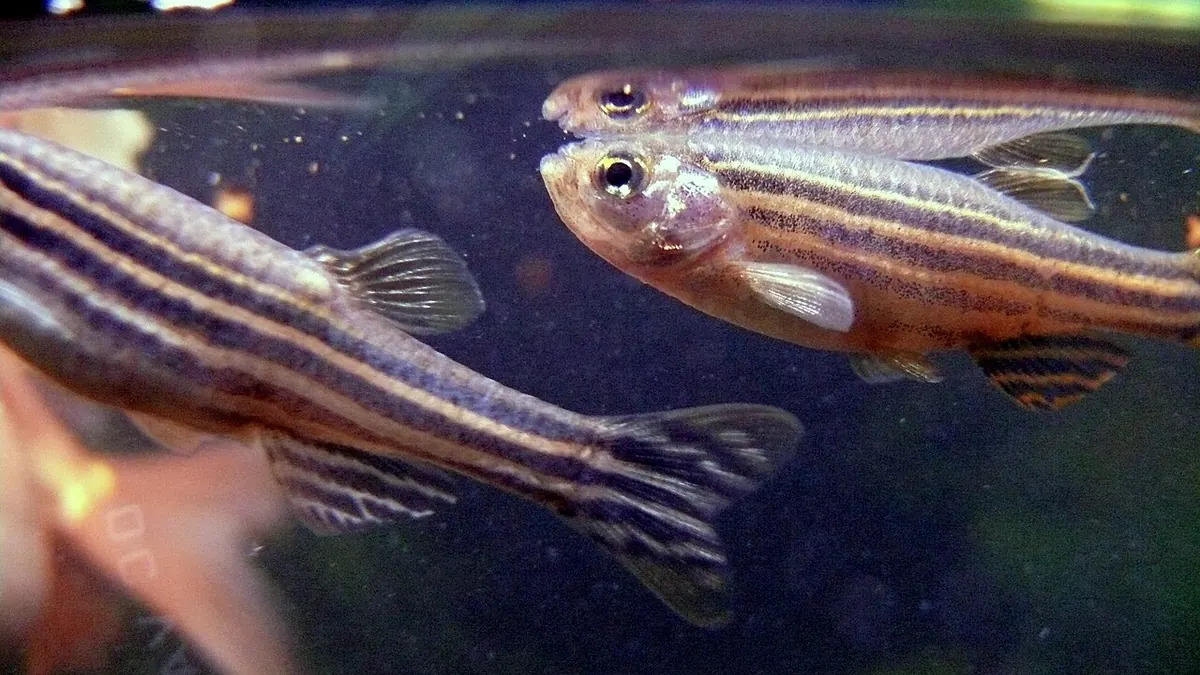

Danio : A greedy omnivore that eats anything floating: flakes, micro-pellets, daphnia and frozen mosquito larvae. Two quick meals a day are enough despite its constant activity.
See it in the Planète Pets shop: Programmable automatic aquarium fish feeder (€32.90) · the whole shop
We don’t ship products to your country yet; our practical guide downloads anywhere: Beginner axolotl: aquarium and care (€19)
In short: 4 to 5 cm as an adult, at least 80 L and an 80 cm long tank for a school, water between 18 and 25 °C. Tireless and playful, it races against the current in a school and may harass slow, long-finned tankmates. A cool to temperate fish often kept without a heater, but demanding in length: an 80 cm tank and a lid since it jumps.
Feeding a Danio: diet and habits
The Danio is an omnivore: a quality staple (flakes or granules) varied with frozen foods and greens. Since it eats at the surface, pick floating food and stop at what gets eaten in two minutes: beyond that you are feeding the water, not the fish.
Frequency and variety
One or two small feeds a day for adults, with a weekly fasting day that costs it nothing — overfeeding remains the top cause of tank pollution. In a group of 8 or more, check everyone reaches the food: dominants serve themselves first. Alternate dry, frozen and rinsed thawed prey across the week.
The costly mistakes
Do not mistake conditioning for appetite: a Danio always looks hungry, but only the ration truly eaten in two minutes counts. Avoid discount flakes that fall apart on contact with water: a serious brand costs only a few euros more per year. The rest of the profile is on the full Danio profile.
Frequently asked questions
How often should a Danio be fed?
One or two small daily feeds eaten within two minutes, plus one fasting day a week. In doubt, underfeed: the water will thank you.
What food suits a Danio?
An omnivore: a quality staple (flakes or granules) varied with frozen foods and greens — served in floating form, as it feeds at the surface.
The guides that apply to you
- Fast then refeed: compensatory growth is real in fish
A study on an Amazonian fish shows that after a short fast, resumed feeding triggers full compensatory growth — reason enough to worry less about a few days away.
- Does an overfed fish get slower on the uptake? A study on obesity and memory in zebrafish
Overfeeding is usually framed as a water-quality problem. A study on zebrafish shows it also carries a direct cost to the fish's own learning and memory abilities.
- Broodstock Nutrition Before Spawning: Why the Diet Matters
How well fish broodstock are fed in the weeks before spawning directly affects how successful the breeding attempt turns out to be.
- Leaving your aquarium shrimp unfed on vacation: what a fasting study shows
A study on the dwarf shrimp Neocaridina davidi measured how many days of fasting an individual can tolerate depending on its life stage, before mortality becomes unavoidable.