Care for a Cockatoo: bathing, plumage and health watch
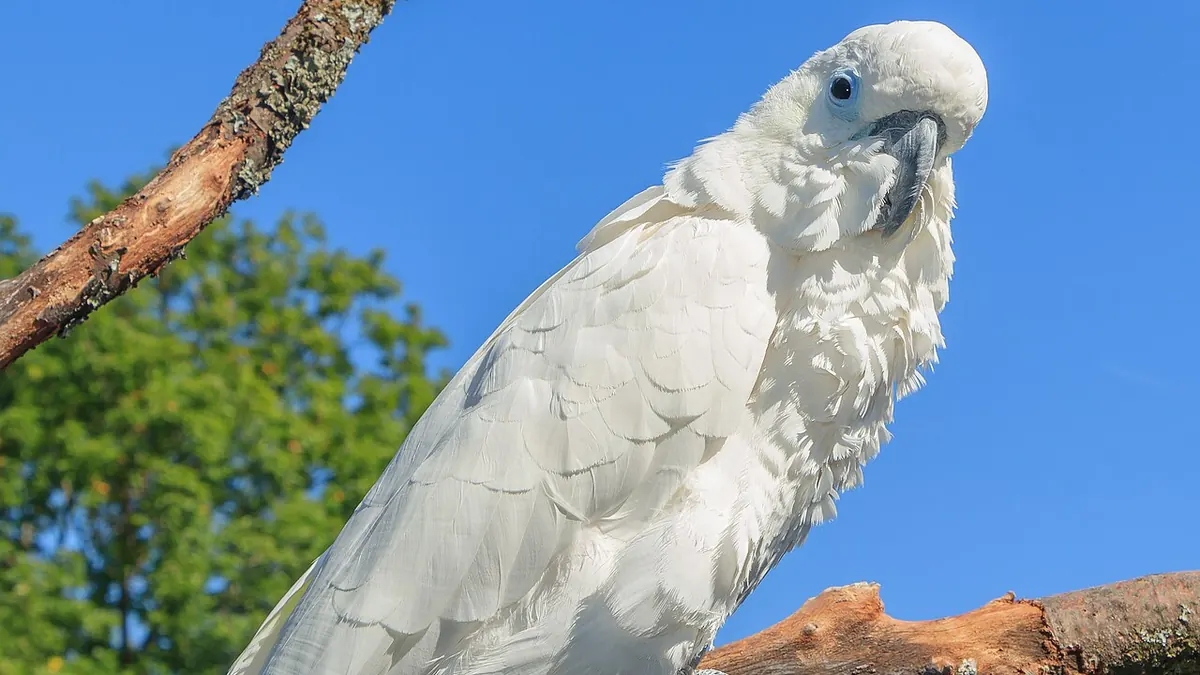

Cockatoo : Its plumage produces a lot of powder: frequent misting and good room ventilation are necessary, with an air purifier helping sensitive households. Inspect the plumage regularly, the first indicator of distress.
Our products don’t ship to you yet, but the PDF practical guide is instant: Budgies, Cockatiels and Canaries: The Starter Guide (€13)
🩺 The health watchpoints on this page are for information only: only a veterinarian can examine your animal and make a diagnosis.
In short: 30 to 50 cm depending on the species, lifespan of 40 to 60 years and beyond, extremely high noise level. An exuberant, cuddly and noisy parrot whose intense attachment makes it prone to separation anxiety. Its near-constant need for contact and abundant feather powder make it one of the most demanding parrots to live with day to day.
Bathing: basic hygiene
Offer bath water several times a week (daily in the moult): an XL bath, lukewarm hand shower or mister — the Cockatoo handles its own plumage care from there. Regularly wetted then preened feathers stay waterproof and insulating; never soap or “shine sprays”.
A powder-down species: managing the dust
The Cockatoo produces a continuous white powder down that settles on furniture and can bother sensitive people: a HEPA air purifier, frequent baths and damp-dusting the room are part of keeping this species — something to know before adoption, not after.
The Cockatoo’s health: warning signs
In the Cockatoo, watch in particular for: feather plucking and self-mutilation linked to separation anxiety and abundant feather powder that can irritate the airways. And since every bird hides illness to the end, three signals warrant an avian consult within 24 hours — continuously fluffed plumage, sitting on the cage floor, altered droppings. Over 40 to 60 years together, an avian vet identified in advance is no luxury.
Frequently asked questions
How often should a Cockatoo bathe?
Two to four times a week routinely, daily during the moult — a lukewarm shower or misting at this size, always plain water.
Do a Cockatoo’s claws need clipping?
Rarely, if varied-diameter natural perches are doing their wear-down job. Clipping remains technical: vet or experienced keeper — a struggling bird injures itself fast.
The guides that apply to you
- Bird health insurance: what it actually covers, and whether it's worth it
Consultations, surgery, hospital stays: what bird health insurance actually reimburses, what it costs per month, and when it genuinely pays off.
- Zebra Finch: Egg Binding and Cold Sensitivity, the Two Risks to Watch
Chronic laying, egg binding in females and a marked sensitivity to draughts: the health points specific to the zebra finch every owner should know.
- Bird allergy: feather dust, symptoms and how to adapt cage cleaning
Persistent cough, breathlessness, unexplained fatigue: bird allergy, sometimes called "bird fancier's lung", is under-diagnosed. Symptoms, species involved, and steps to cut exposure.
- Bird Baths: Bathing, Misting and Keeping Plumage in Top Condition
Clip-on bath, freestanding dish or mister: how to offer the right bath to your budgie, canary or parrot and maintain healthy plumage.