Housing a Cockatoo: a 120 × 90 × 150 cm cage, fully fitted
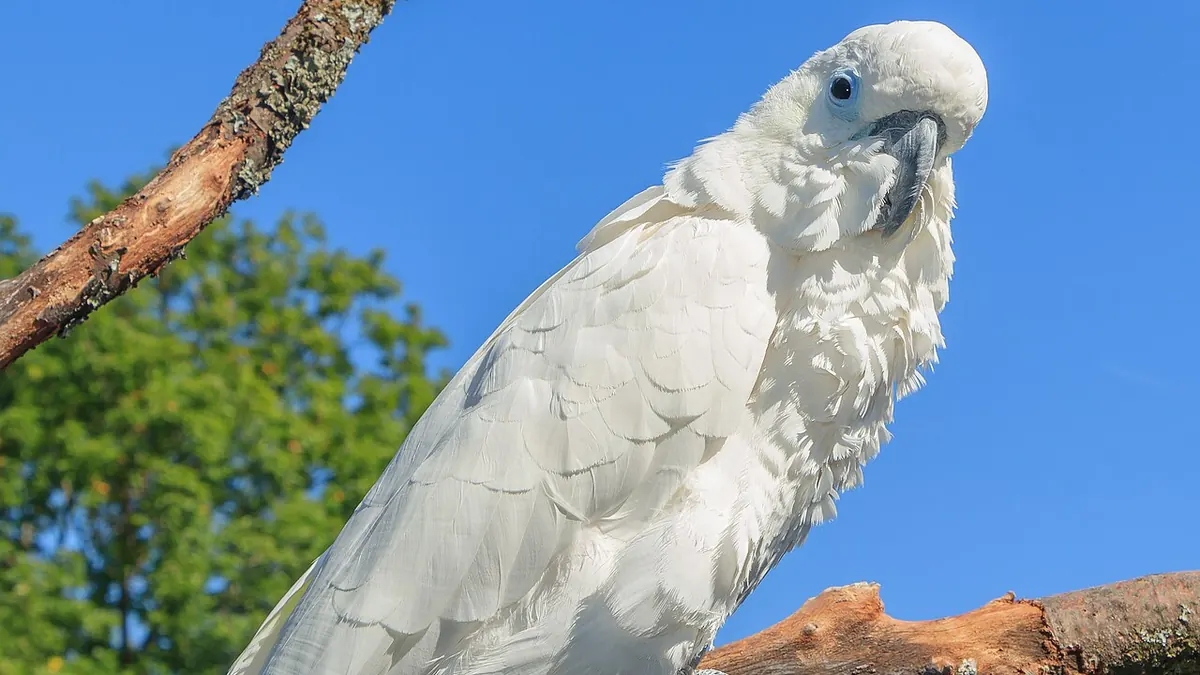

Cockatoo : A sturdy steel cage at least one metre wide with secured locks, as it is an escape champion, budget 500 to 1500 euros. Cockatoos are subject to protection rules, some species on Appendix I: insist on identification and origin paperwork.
An accessory from our shop for this use: Bendable multicolour cotton rope perch, 40 cm (€21.90) · the whole shop
Outside our shipping area? The downloadable practical guide: Budgies, Cockatiels and Canaries: The Starter Guide (€13)
In short: 30 to 50 cm depending on the species, lifespan of 40 to 60 years and beyond, extremely high noise level. An exuberant, cuddly and noisy parrot whose intense attachment makes it prone to separation anxiety. Its near-constant need for contact and abundant feather powder make it one of the most demanding parrots to live with day to day.
120 × 90 × 150 cm: the serious minimum
For a Cockatoo, the cage measures at least 120 × 90 × 150 cm, wider than tall: birds fly horizontally, not in lifts. Bars horizontal for climbing, spaced 2 to 2.5 cm — any wider and the head slips through and jams.
Perches and layout
Install the perches (untreated wood, 2.5-4 cm in varied diameters) at the ends: the cage’s centre stays a flight corridor, and nothing overhangs the bowls. No-waste feeders, newspaper cage lining changed every two days, and a bathing corner. Smooth plastic perches and abrasive “nail-care” sleeves damage feet: ban them.
Placement changes everything
Against a wall (safety at its back), at eye height, in the living room but out of the kitchen — fumes from overheated non-stick coatings are lethal to birds. Natural light without direct sun, 10 to 12 hours of calm darkness at night, and remember the Cockatoo is among the loudest of parrots: piercing daily calls, incompatible with flat living: placement also manages your neighbourly relations.
Frequently asked questions
What cage size for a Cockatoo?
120 × 90 × 150 cm minimum, wider than tall, bars spaced 2 to 2.5 cm — plus daily free flight, the cage being only base camp.
Where should a Cockatoo’s cage go?
Against a living-room wall at eye height, away from the kitchen (toxic fumes), direct sun and draughts, with 10 to 12 hours of quiet darkness.
The guides that apply to you
- Wheeled or fixed cage: which one should you choose for a bird?
Easy cleaning versus stability: what should really decide between a wheeled cage and a fixed one for a bird.
- Sleep and Darkness for Birds: How Many Hours Does a Bird Need Each Night?
How many hours of sleep and darkness does a bird need each night? Guidelines by species and common mistakes to avoid.
- Lorikeet cage and aviary setup: planning for liquid, scattered droppings
The lorikeet's nectarivorous diet produces droppings that are more liquid and more frequent than a granivore's. Cage setup needs to account for that, materials and placement included.
- Bird Perches: Why Varying the Diameters Changes Everything
Natural wood, varied diameters, placement inside the cage: the perch guide to protect the feet of your budgies, canaries and parrots.