Care for a Budgerigar: bathing, plumage and health watch
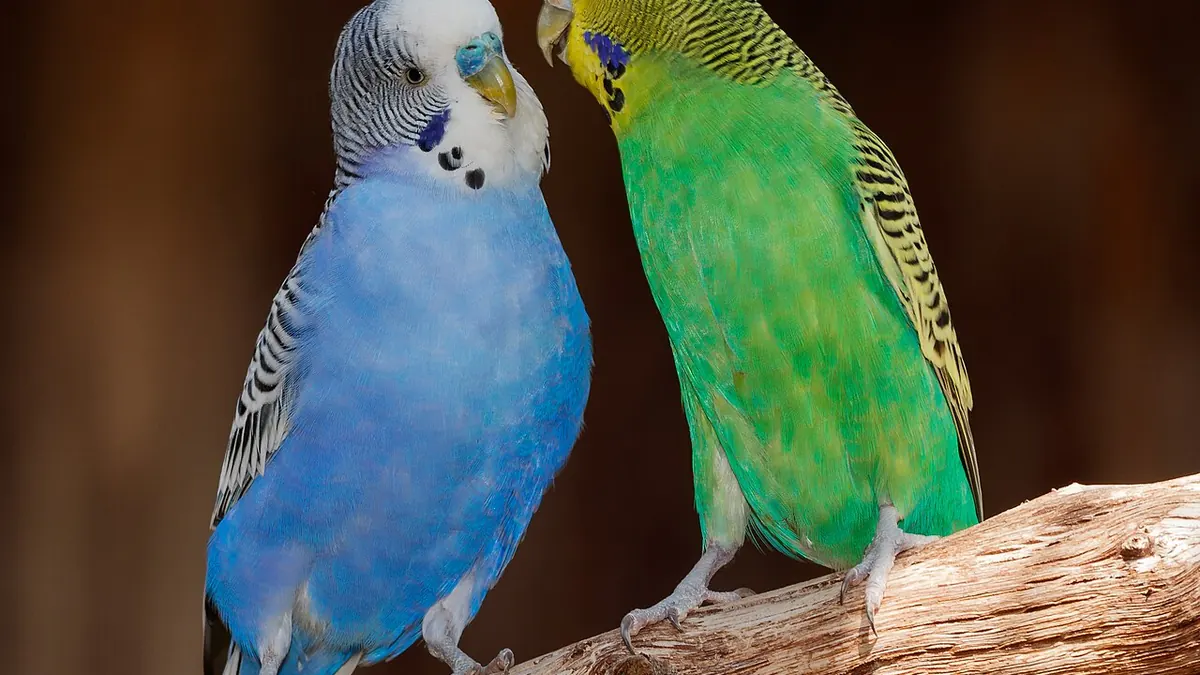

Budgerigar : Offer a hanging bath or a saucer of lukewarm water several times a week. Keep an eye on beak and nail growth, and change the cage lining every two to three days.
We don’t ship products to your country yet; our practical guide downloads anywhere: Budgies, Cockatiels and Canaries: The Starter Guide (€13)
🩺 The health watchpoints on this page are for information only: only a veterinarian can examine your animal and make a diagnosis.
In short: Around 18 cm and 30 to 40 g, lifespan of 5 to 10 years, low to moderate noise level. Lively, curious and gregarious, it chatters almost constantly and tames quickly as long as you talk to it every day. Often underestimated, it needs a cage wider than it is tall for horizontal flight and at least one companion so it does not languish alone.
Bathing: basic hygiene
For the Budgerigar, bathing is not leisure but basic plumage maintenance: a hanging bath or a simple saucer of fresh water, several times a week and daily during the moult. Regularly wetted then preened feathers stay waterproof and insulating; never soap or “shine sprays”.
Feathers, beak, claws: routine upkeep
Claws and beak wear down naturally on natural-wood perches of varied diameters (1 to 1.5 cm for this species) — an overgrowing or flaking beak signals an underlying issue: avian vet, never the DIY file.
The Budgerigar’s health: warning signs
Documented watch-points in the species: testicular and kidney tumours common in mutation lines and obesity and lipomas linked to all-seed mixes. Birds mask illness until the last moment: continuously fluffed feathers, a bird on the cage floor or altered droppings warrant an avian consult within 24 hours. Over 6 to 12 years together, an avian vet identified in advance is no luxury.
Frequently asked questions
How often should a Budgerigar bathe?
Two to four times a week routinely, daily during the moult — a clip-on bath or saucer, always plain water.
Do a Budgerigar’s claws need clipping?
Rarely, if varied-diameter natural perches are doing their wear-down job. Clipping remains technical: vet or experienced keeper — a struggling bird injures itself fast.
The guides that apply to you
- Bird mister and parrot shower: the routine that saves the plumage
Which bird mister should you choose? Mister, shower, suction-cup perch: frequency, water and kit (3 to 35 €) for healthy plumage, from budgies to African greys.
- Welcoming an adopted or rehomed bird: the right reflexes for the first weeks
Adopting a second-hand adult bird: vet visit, quarantine, gentle adjustment and rebuilding trust. The protocol for the first 8 weeks.
- Avian vet budget: how much should you set aside for a healthy bird?
Avian consultation: 40 to 80 €. Tests, emergencies, hospitalisation: the real prices and how much to save each month to care for your bird without financial stress.
- Quarantining a new bird: how long it should take and what you'll need
Quarantining a new bird: why it's essential before any introduction, the recommended duration, and the setup you'll need.