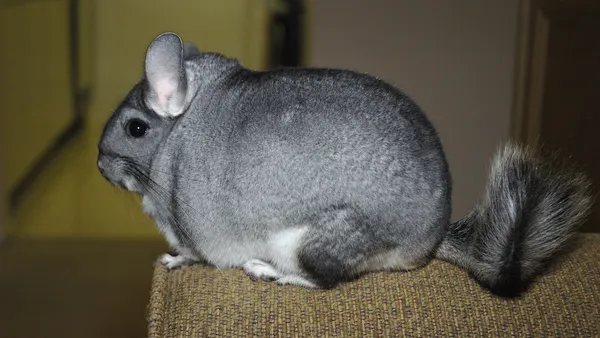
Chinchillas: what really happens when the sand bath is missed?
Published by Planète Pets · managing editor: Clément Lacaille · how our guides are written
Skipping a chinchilla's sand bath for a day looks harmless, but a landmark experiment measured exactly what changes in its behaviour the longer the wait goes on. Our equipment picks are gathered in the rodent accessories section.

The longer the wait, the more intense the bathing behaviour
Stern and Merari published an experiment in the journal Psychonomic Science in which four chinchillas were kept away from their sand bath for increasing lengths of time before being given access to it again (see the study). The result: the longer the deprivation period, the more spins the animal performed while rolling in the sand, and the way this behaviour unfolded over time also changed. A sand bath, then, is not just an occasional comfort — its intensity is a direct reflection of how long it's been since the last access.
What this means for how often to offer it at home
A chinchilla that throws itself at the bath tub the moment it's offered, or rolls in it unusually long, is likely signalling too long a wait since the last session rather than simple enthusiasm. Offering the bath several times a week, without leaving it in the cage permanently, meets this need while avoiding the sand turning into a makeshift litter or drying out the skin. Our article on the chinchilla and gerbil sand bath covers recommended frequency, and our guide to choosing the right sand steers clear of overly dusty or coarse products.
- More intense bathing behaviour as the deprivation period grows longer.
- A change in how the behaviour unfolds over time, not just in how often it happens.
- A signal worth watching: an unusually eager rush to the tub can mean access has been too infrequent.
A sand bath is better treated as a regular appointment than an occasional treat — that's what this direct behavioural measurement suggests, decades ahead of today's care guides.
Frequently asked questions
Should the sand tub stay in the cage permanently?
No — permanent access tends to turn the sand into a makeshift litter and dries out the skin; a few sessions a week are enough.
Is a chinchilla that sometimes skips its bath abnormal?
Not necessarily: the experiment used a small number of animals, and individual motivation can vary from one chinchilla to another.
Does this result also apply to gerbils?
The experiment was carried out on chinchillas; gerbils show comparable bathing behaviour but with less pressing needs, as covered in our dedicated guide.
An accessory from our shop for this use: Wooden hay rack with tray for rabbit, guinea pig and chinchilla (€21.90) · the whole shop
This guide is part of Planète Pets’s Rodents universe. Our advice is general in nature: for any health concern, your veterinarian remains the only reference.