Shed skin stuck around a reptile's eyes: what should you do?
Published by Planète Pets · managing editor: Clément Lacaille · how our guides are written
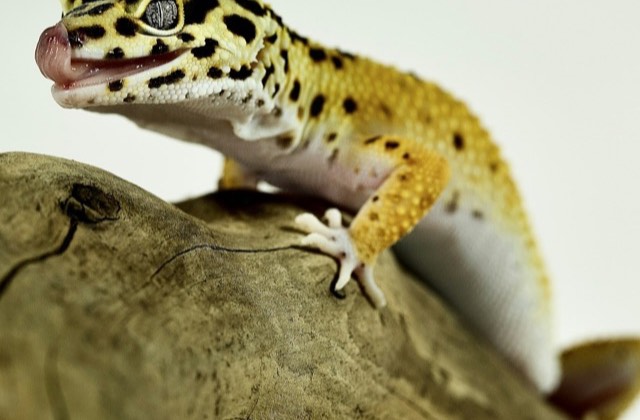
Sometimes a piece of skin stays stuck around an eye after an otherwise complete shed, particularly in geckos without movable eyelids such as leopard geckos. This localised residue deserves attention, since it can impair vision or irritate the eye if left in place.
Contents · 5 sections
Why does residue stick specifically in this spot?
The area around the eye is especially thin and tricky to release, particularly when humidity was insufficient during the shed. A broader incomplete shed often affects the extremities too, such as the toes, for the same reason of localised dryness.
How do you remove this residue safely?
- Moisten the area with a cotton pad soaked in lukewarm water, applied gently for a few minutes without rubbing;
- Let it soak before attempting removal, since softened skin comes off far more easily than dry skin;
- Never pull on residue that resists, or you risk injuring the thin skin around the eye;
- Repeat over several days if needed rather than forcing it in one session.
These steps complement our reptile care and grooming section for supporting shedding safely.
When should you see a vet about this type of residue?
If the residue doesn't come off after several gentle attempts, or if the eye looks swollen, red, or the animal blinks abnormally, seeing an exotic pet vet becomes necessary. A reptile doesn't always show obvious signs of pain, which makes the keeper's vigilance all the more important.
How do you prevent this happening at every shed?
Slightly raising ambient humidity in the days leading up to an expected shed, or offering a humid hide available at all times, clearly reduces the risk of localised residue. Stable humidity remains the best prevention, far more effective than fixing the problem after the fact.
Frequently asked questions
Is this problem common across all species?
It mainly affects geckos without movable eyelids; a snake's eye cap staying stuck is a somewhat different case also worth watching for.
Should one isolated episode be a concern?
No, a single incident that resolves well doesn't necessarily point to a chronic humidity problem in the terrarium.
Can you use something other than lukewarm water?
Lukewarm water remains the safest method; avoid any solution not specifically recommended by a vet for this sensitive area.
In our shop, for this use: Ventilated clear box for feeder insects, transport and quarantine, 19 cm (€17.90) · the whole shop
This guide is part of Planète Pets’s Reptiles universe. Our advice is general in nature: for any health concern, your veterinarian remains the only reference.