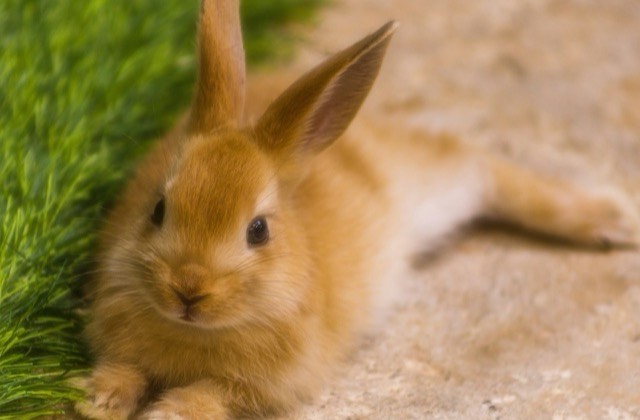
Polish rabbit and dental malocclusion: what the research actually shows
Published by Planète Pets · managing editor: Clément Lacaille · how our guides are written
A Polish rabbit with its tiny, compact skull is often assumed to be naturally prone to dental malocclusion simply because of its small size. A study by Jackson, Betts, Hedley and Burn, published in 2025 in Animals, examined the mouths of 435 pedigree rabbits at British shows and competitions, cross-referencing the dental abnormalities found against each animal's ear type and head shape (see the study). The surprising result: neither ear type nor head shape came out as a significant risk factor for malocclusion, contrary to a widely held belief among breeders. Find all our health pointers in the rabbit care and grooming section.
Contents · 4 sections
Is the Polish rabbit's small build really to blame?
Not directly, according to this study: skull conformation matters less than assumed compared with husbandry practices. The Polish breed profile does note extra dental vigilance for very small breeds, sound advice that still holds even if the exact cause turns out to be more complex than skull shape alone.
What factors matter more, then?
Diet remains the most decisive lever: good-quality hay, available at all times, naturally wears down a rabbit's continuously growing teeth. Our comparison of budget versus premium hay covers the quality criteria worth prioritising for this often underestimated expense.
How should teeth be monitored day to day?
Excessive drooling around the chin, a selective loss of appetite for hay, or smaller droppings than usual all warrant an exam. Our article on monitoring dental health in rabbits covers the signs to catch before an abscess forms.
- Study finding: neither floppy ears nor a compact skull came out as a significant standalone risk factor.
- Central factor: the amount and quality of daily hay outweighs conformation.
- Vigilance still justified: very small breeds remain worth watching, without excessive fatalism.
- Warning sign: drooling, hay refusal or reduced droppings call for a vet's opinion.
A well-fed Polish rabbit with plenty of hay isn't doomed to malocclusion despite its tiny build: vigilance is still warranted, but it starts with the food bowl rather than genetics alone.
Frequently asked questions
Should a Polish rabbit's teeth be checked more often than a larger breed's?
An annual vet check is a good baseline for every breed, with visits brought forward at the first warning sign in very small builds.
Is hay alone enough to wear down the teeth properly?
Yes, for the most part, as long as it's available in unlimited quantity rather than offered in small, occasional amounts.
Can malocclusion be cured for good?
Rarely permanently: it most often requires regular tooth filing throughout the animal's life.
An accessory from our shop for this use: Natural loofah chew carrot for rabbits and rodents, 20 cm (€17.90) · the whole shop
This guide is part of Planète Pets’s Rabbits universe. Our advice is general in nature: for any health concern, your veterinarian remains the only reference.