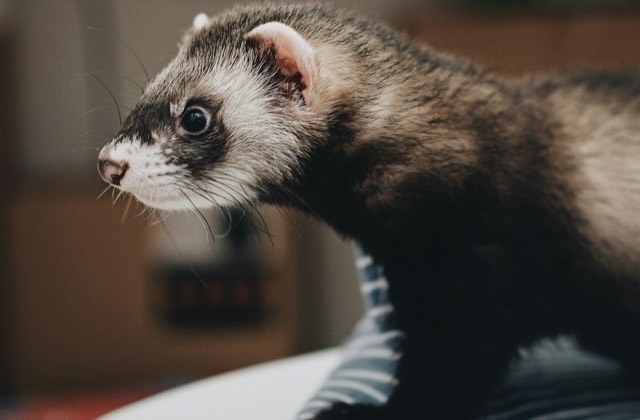
Keeping a ferret busy all day while you're at work
Published by Planète Pets · managing editor: Clément Lacaille · how our guides are written
Keeping a ferret occupied alone for a full workday takes planning: this highly active animal gets bored quickly, and prolonged boredom often shows up as stress or destructive behavior once you're back. The answer isn't piling on random toys, but structuring the space and the rest-activity cycle.
Contents · 5 sections
Why does a long absence create a problem for a ferret?
Ferrets sleep an enormous amount, often 14 to 18 hours a day, which makes a workday less of an issue than it might seem — as long as the waking hours stay well occupied. The basics of daily enrichment are covered in the ferret toys and enrichment category.
How should the cage be set up for a day alone?
- a treat dispenser with a moderate mechanism, occupying without frustrating, as covered in our treat dispensers for ferrets guide;
- a dig box filled with balls or crumpled fabric, always accessible;
- several hammocks at different levels to vary sleeping spots;
- a bowl of fresh water in sufficient quantity, checked before you leave.
Should you plan a mid-day break out of the cage?
If possible, a supervised twenty- to thirty-minute break midday makes a real difference for a ferret alone for long hours — a neighbor, relative or pet sitter can cover this visit. The dig box, covered in our ferret dig box guide, remains an excellent alternative if no midday visit is possible.
Does adopting a second ferret change things?
A pair of ferrets stimulates each other during the hours you're away and noticeably reduces individual boredom, as explained in our one ferret or two comparison. This option does require a budget and space suited to two animals, not just one.
Frequently asked questions
How long can a ferret stay alone without issue?
A typical 8- to 9-hour workday remains manageable with a proper setup; beyond that, always plan for a check-in.
Does background music or a radio help a ferret left alone?
Moderate background noise can reassure some ferrets, but the effect stays secondary compared to a stimulating cage setup.
Does a ferret left alone all day become aggressive?
Rarely by nature, but chronic boredom can encourage frustration-driven nips at reunion time; sufficient enrichment limits this risk.
In our shop, for this use: 2-in-1 felt tunnel and hideout for rabbits and ferrets (44 × 60 cm) (€37.90) · the whole shop
This guide is part of Planète Pets’s Ferrets universe. Our advice is general in nature: for any health concern, your veterinarian remains the only reference.