Ferrets and catios: building a secure outdoor enclosure
Published by Planète Pets · managing editor: Clément Lacaille · how our guides are written
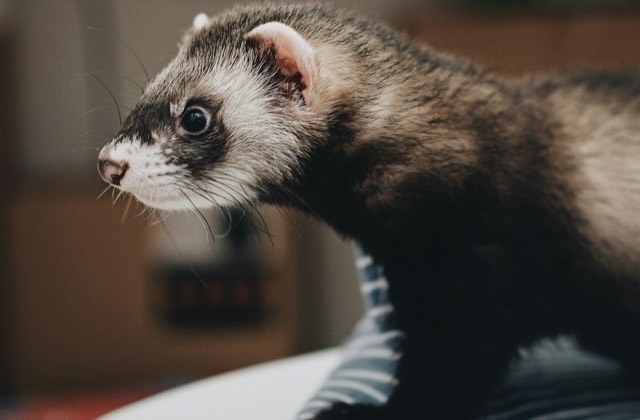
A catio, a screened outdoor enclosure originally designed for cats, can also give a ferret safe access to the garden without the risks of total outdoor freedom. Building one properly still calls for specific precautions, since this small carnivore is a natural escape artist.
Contents · 4 sections
Why consider a catio instead of free roaming outdoors?
A ferret left to roam outdoors unsupervised risks escaping, predation, or ingesting toxic substances found in a garden, dangers well beyond those of a properly prepared indoor space as covered in our ferret-proofing your home guide. An enclosed structure lets it enjoy fresh air and outdoor scents without those direct risks.
What materials and dimensions should you plan for?
- small-gauge wire mesh, under 2.5 cm (1 inch), to prevent any escape even by a flexible adult ferret;
- a fully enclosed roof, since a ferret climbs as readily as it digs;
- a buried or wire-lined base extending at least 20 cm (8 inches) deep, to stop digging attempts under the structure;
- a permanent shaded area, since heat remains the number-one danger outdoors.
How should day-to-day use be kept safe?
Never leave a ferret alone and unsupervised in a catio, even a well-built one: a predator or a gap in the mesh can appear quickly. A bell or tracker, as covered in our ferret bell and tracker guide, adds an extra layer of safety during these supervised outings.
Frequently asked questions
Can a catio be used year-round?
No, outings should be avoided during extreme heat or cold, and always kept to the mildest hours of the day.
Does wood used in a DIY catio need treating?
Yes, with a non-toxic product that's fully dry before use, since a ferret is likely to chew on the structure.
Does a catio replace leash walks?
No, it complements them: a leash allows active exploration while a catio offers freer movement within a confined space.
See it in the Planète Pets shop: 2-in-1 felt tunnel and hideout for rabbits and ferrets (44 × 60 cm) (€37.90) · the whole shop
This guide is part of Planète Pets’s Ferrets universe. Our advice is general in nature: for any health concern, your veterinarian remains the only reference.