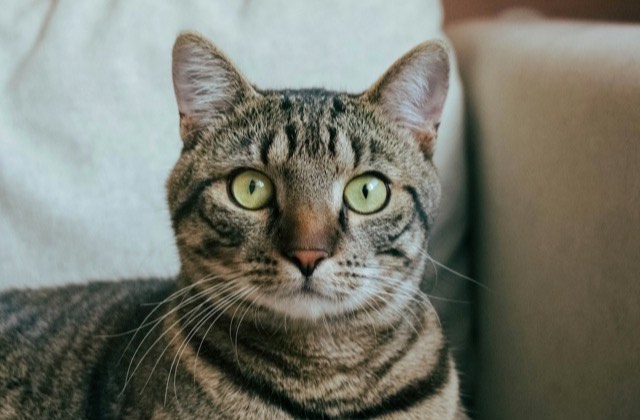
Grain-free cat food: what's the real difference from classic kibble?
Published by Planète Pets · managing editor: Clément Lacaille · how our guides are written
A "grain-free" kibble simply swaps wheat, corn or rice for another carbohydrate source — peas, lentils, potato — to hold the kibble together. That doesn't mean "carb-free", nor does it automatically mean "better" for your cat: the real question is the animal protein content and ingredient quality, not the mere absence of grain. Discover our full cat guide and the cat food section to compare the other bowl options.
Contents · 4 sections
What does "grain-free" actually change?
The cat is a strict carnivore: its body is built to digest animal protein and fat, not large amounts of starch. A grain-free kibble doesn't necessarily lower the total starch, it just shifts it to a legume or a tuber. A 2025 review published in the scientific journal Animals surveys the nutritional effects of grain-free diets in dogs and cats and notes that their composition varies enormously between brands, often — but not always — with higher protein and fat levels (see the study). In other words, the "grain-free" label alone guarantees nothing: you have to look at the full composition.
Does a healthy cat need grain-free food?
For an adult cat with no digestive issue or identified allergy, nothing requires grain-free: a good classic kibble, rich in animal protein and well balanced, works perfectly well. Grain-free mostly makes sense on veterinary prescription, in the case of a confirmed intolerance to a specific ingredient, or for cats that digest large amounts of starch poorly. If you're weighing meal formats more broadly, our article on wet or dry food for cats compares the two everyday approaches.
How do you compare two kibbles on the label?
Before letting the packaging decide for you, a few simple markers let you compare two bags of kibble objectively:
- The share of clearly named animal protein (named meat or fish) rather than vague "animal by-products"
- The substitute carbohydrate source used: peas and legumes have a different profile from potato
- The crude ash and taurine levels, both essential for a cat's heart and eyesight
- The price per kilogram actually consumed, since a richer kibble often satiates with smaller portions
Frequently asked questions
Is grain-free better for food allergies?
Not necessarily: most real food allergies in cats target an animal protein (beef, fish) rather than grains. A veterinary diagnosis with an elimination diet remains the only reliable way to identify the culprit ingredient.
Is grain-free suitable for a neutered cat?
That's not the main criterion: for a neutered cat, it's better to first look at kibble formulated to limit weight gain, as detailed in our guide on dry food for neutered cats.
Can you alternate classic and grain-free kibble?
Yes, provided you make a gradual transition over about ten days to avoid digestive upset, mixing the two kibbles in increasing proportions.
An accessory from our shop for this use: Raised-edge silicone feeding mat for cats (€25.90) · the whole shop
For the gear, at Le Félin (same family, zero commission): Arbre à chat plafond (from €119.99)
This guide is part of Planète Pets’s Cats universe. Our advice is general in nature: for any health concern, your veterinarian remains the only reference.