Travelling with a Border Collie: car, crate and rules
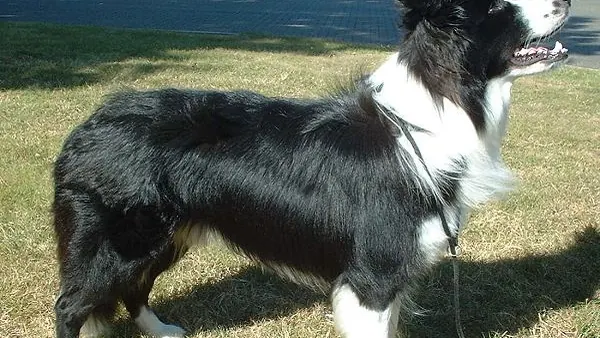

Border Collie: A size M crate is ideal, especially since many Borders travel often for competitions. Some individuals fixate on moving cars or bikes: a well-fitted harness and short lead keep urban walks safe.
Everything in one place, ready to print: Training a Herding or Working Dog: Border Collie, Australian Shepherd, German Shepherd, Malinois, the Step-by-Step Course — 44-page PDF, instant download. Get my guide — €24
In short: Medium dog, 46-56 cm at the withers (14-22 kg), medium or short coat with undercoat, extreme energy level. A hypersensitive athlete often cited as the smartest breed, living to work. Its famous herding stare ("the eye") can tip into obsession with balls or moving objects: varying activities and teaching it to switch off is essential.
In the car with a Border Collie
For its 14 to 22 kg, two serious options: a rigid crate of about 90 cm strapped in the boot, or a crash-tested safety harness clipped to ISOFIX. An unrestrained dog of this weight becomes a projectile under braking — and a possible fine for distracted driving.
Trains, planes, holidays
Too big for the cabin, the Border Collie flies in the pressurised hold in an IATA-approved crate — an ordeal to reserve for unavoidable trips. On trains, a muzzle and lead meet the rules. Tame the crate weeks ahead — open in the living room, seeded with treats — so that on the day, your Border Collie walks in by itself.
Identification and good habits
Before any departure, check the trio: microchip, up-to-date vaccines and an EU passport for trips abroad. In warm weather a Border Collie never stays in a parked car: fifteen minutes is enough for tragedy.
Frequently asked questions
What crate size for a Border Collie?
The rule: roughly 90 cm, i.e. room to stand and turn without contortion. For air travel, check the specific model’s IATA approval.
Can a Border Collie fly in the cabin?
No, it exceeds the cabin limit (8 kg including the bag): it travels in the pressurised hold in an IATA crate — avoid it when you can.
The guides that apply to you
- Moving house with your dog: equipment and stress-free organisation
Safe transport, refuge room, familiar landmarks, updating identification: how to move house with your dog serenely, from moving day to the first weeks.
- Pug: brachycephalic obstructive airway syndrome and car safety precautions
A landmark study identifies the facial traits that worsen the Pug's obstructive airway syndrome, with heat and exertion as key aggravating factors. How to adjust car trips to limit respiratory distress episodes.
- Dog hit by a reversing car: a 2025 study isolates an under-recognised accident pattern
A retrospective study of 422 injured dogs distinguishes ordinary road collisions from low-speed impacts in a driveway or parking lot, overwhelmingly caused by the owner's own vehicle.
- Small dog carrier bag: choosing the right one for trains, the metro and city life
Approved dimensions, ventilation, comfort: how to choose a small dog carrier suited to trains, public transport and city journeys.