Toys for a Border Collie: durability, exercise and enrichment
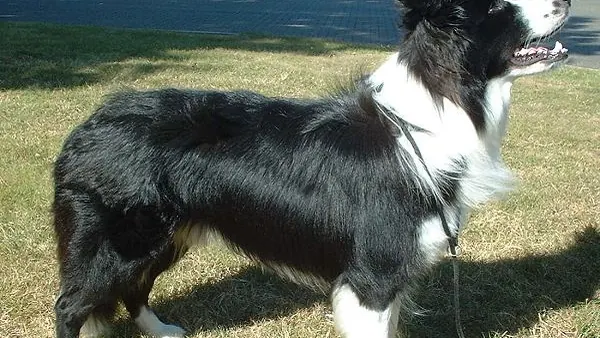

Border Collie: This is THE dog-sport breed: agility, disc dog, treibball and advanced puzzle games. Watch out for ball obsession, common in Borders: vary the activities and teach it to switch off too.
To go further, the PDF practical guide: Training a Herding or Working Dog: Border Collie, Australian Shepherd, German Shepherd, Malinois, the Step-by-Step Course — 44-page PDF, instant download. Get my guide — €24
In short: Medium dog, 46-56 cm at the withers (14-22 kg), medium or short coat with undercoat, extreme energy level. A hypersensitive athlete often cited as the smartest breed, living to work. Its famous herding stare ("the eye") can tip into obsession with balls or moving objects: varying activities and teaching it to switch off is essential.
Toys that survive a Border Collie
Its average jaw handles classic toys: standard rubber, ropes and solid balls are enough, keeping an eye on wear. Inspect the toy basket weekly and bin anything split or gutted — swallowed fragments remain a routine veterinary emergency.
How much daily activity?
Count on 60 to 90 daily minutes of genuine exertion for a Border Collie, and more on good days: this dog was bred to work, and a stroll around the block barely dents it. Canicross, tracking, tug or water games — depending on its tastes — are outlets, not options.
Mental work: the real boredom-buster
On days without outings, the Border Collie spends itself differently: snuffle mats, kibble dispensers and canine puzzles — always starting easy, since success feeds motivation where failure kills it. Two or three ten-minute sessions beat an hour on Sunday.
Frequently asked questions
Which toys should I pick for a Border Collie?
Its average jaw handles classic toys: standard rubber, ropes and solid balls are enough, keeping an eye on wear.
How much exercise does a Border Collie need daily?
The cruising range: 60-90 minutes of authentic activity a day, dialled down for seniors and in heatwaves.
The guides that apply to you
- How to train your dog: where to start (the basics, in order)
Dog training made simple: the principles that work, the order to teach the basics (name, sit, down, recall, loose leash, stay) and an 8-week plan.
- Positive reinforcement dog training vs traditional and balanced methods: what the studies show
Positive, traditional or “balanced” dog training: the four learning mechanisms explained simply, luring vs capturing vs shaping, what research shows on welfare and results, and how to choose a trainer.
- Eurasier: a largely heritable calm temperament — what enrichment fits?
The Eurasier is known for its calm, reserved manner around strangers. What research on the heritability of behavioural traits across breeds shows, and how to enrich the daily life of a naturally settled dog.
- Brittany Spaniel: putting that nose to work with scent enrichment
The Brittany Spaniel, a scenting gun dog through and through, gets particular benefit from nose games. What research on scent and canine behaviour shows.