Toys for a Australian Shepherd: durability, exercise and enrichment
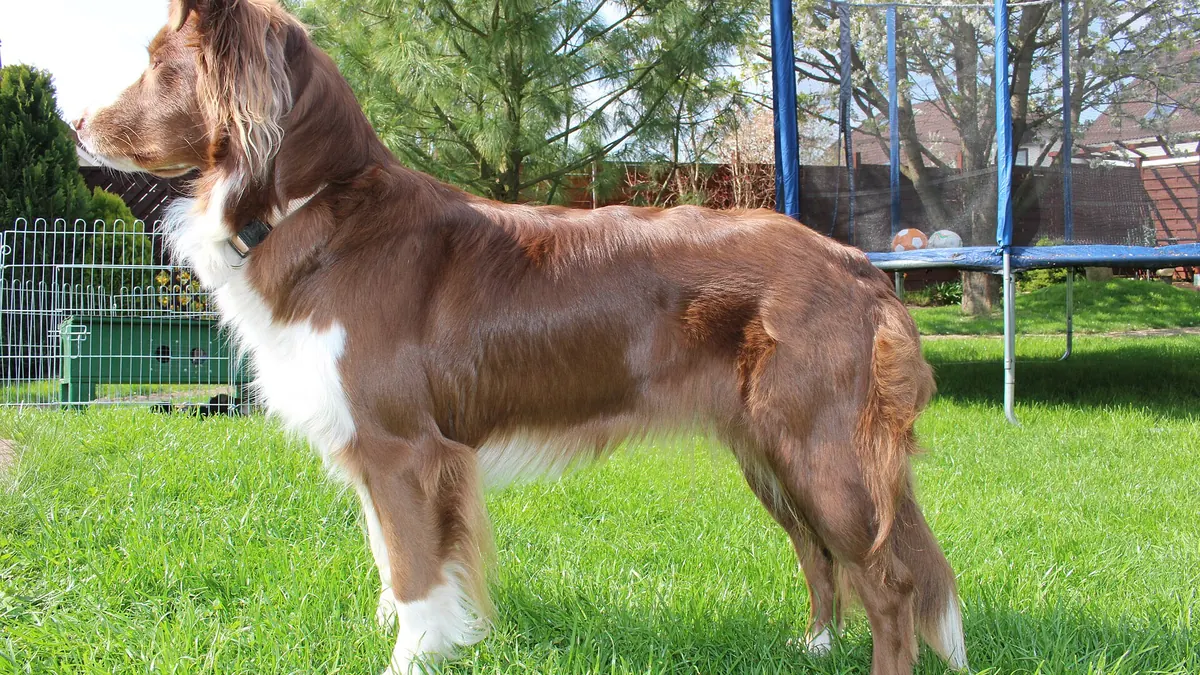

Australian Shepherd: A highly cerebral herding dog, it thrives on frisbees, puzzle toys, snuffle mats and trick-training sessions. Without enough to do, it can develop chasing or destructive behaviours.
Our practical guide, to download: Training a Herding or Working Dog: Border Collie, Australian Shepherd, German Shepherd, Malinois, the Step-by-Step Course — 44-page PDF, instant download. Get my guide — €24
In short: Medium-to-large dog, 46-58 cm at the withers (16-32 kg), medium-length coat with undercoat, very high energy level. A lively, highly cerebral herding dog, brimming with energy and devoted to its people. Part of the breed carries the MDR1 mutation, which makes certain medications and antiparasitics dangerous: get a genetic test or veterinary advice before any treatment.
Toys that survive a Australian Shepherd
Its average jaw handles classic toys: standard rubber, ropes and solid balls are enough, keeping an eye on wear. Bin any split or gutted toy: swallowed pieces are a classic veterinary emergency.
How much daily activity?
Plan 60 to 90 minutes of genuine daily activity, and more on good days: this dog was bred to work, and a stroll around the block barely dents it. Canicross, tracking, tug or water games — depending on its tastes — are outlets, not options.
Mental work: the real boredom-buster
Snuffle mats, food-dispensing toys and canine puzzles keep the Australian Shepherd busy on rainy days and while you are out. Start at the easy level: a dog that fails gives up, a dog that wins asks for more. Two or three ten-minute sessions beat an hour on Sunday.
Frequently asked questions
Which toys should I pick for a Australian Shepherd?
Its average jaw handles classic toys: standard rubber, ropes and solid balls are enough, keeping an eye on wear.
How much exercise does a Australian Shepherd need daily?
60 to 90 minutes of real activity a day on average for a healthy adult, adjusted for age and weather.
The guides that apply to you
- Bull Terriers and tail-chasing: what research reveals about this compulsive behaviour
The Bull Terrier is notably overrepresented among dogs that develop compulsive tail-chasing. What a US veterinary study shows and how enrichment helps ease the behaviour.
- Snuffle mats for dogs: the toy that tires the mind, not the paws
Snuffle mats for dogs: how to use one, which model to pick, and why ten minutes of scent work tires a dog out as much as a walk.
- Scented dog toys: a study puts a number on how much scent changes a toy’s appeal
A shelter study measured how long dogs spent with their toys depending on whether they were scented: the effect was strongest on toys the dogs liked least to begin with.
- Rope or rubber dog toy: which should you favour?
Chewing, sturdiness, ingestion risks, price: rope or rubber toy, the comparison to give your dog a toy matched to their jaw and their play style.