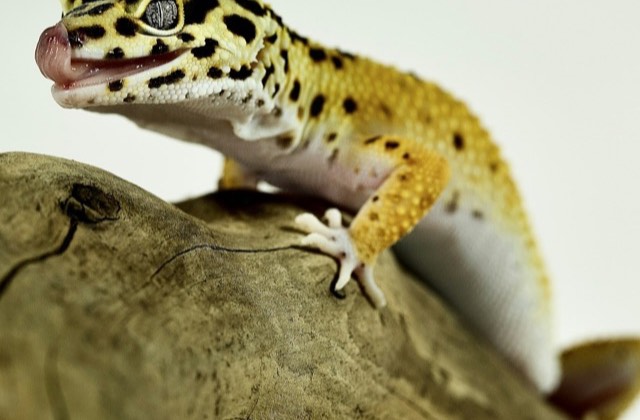
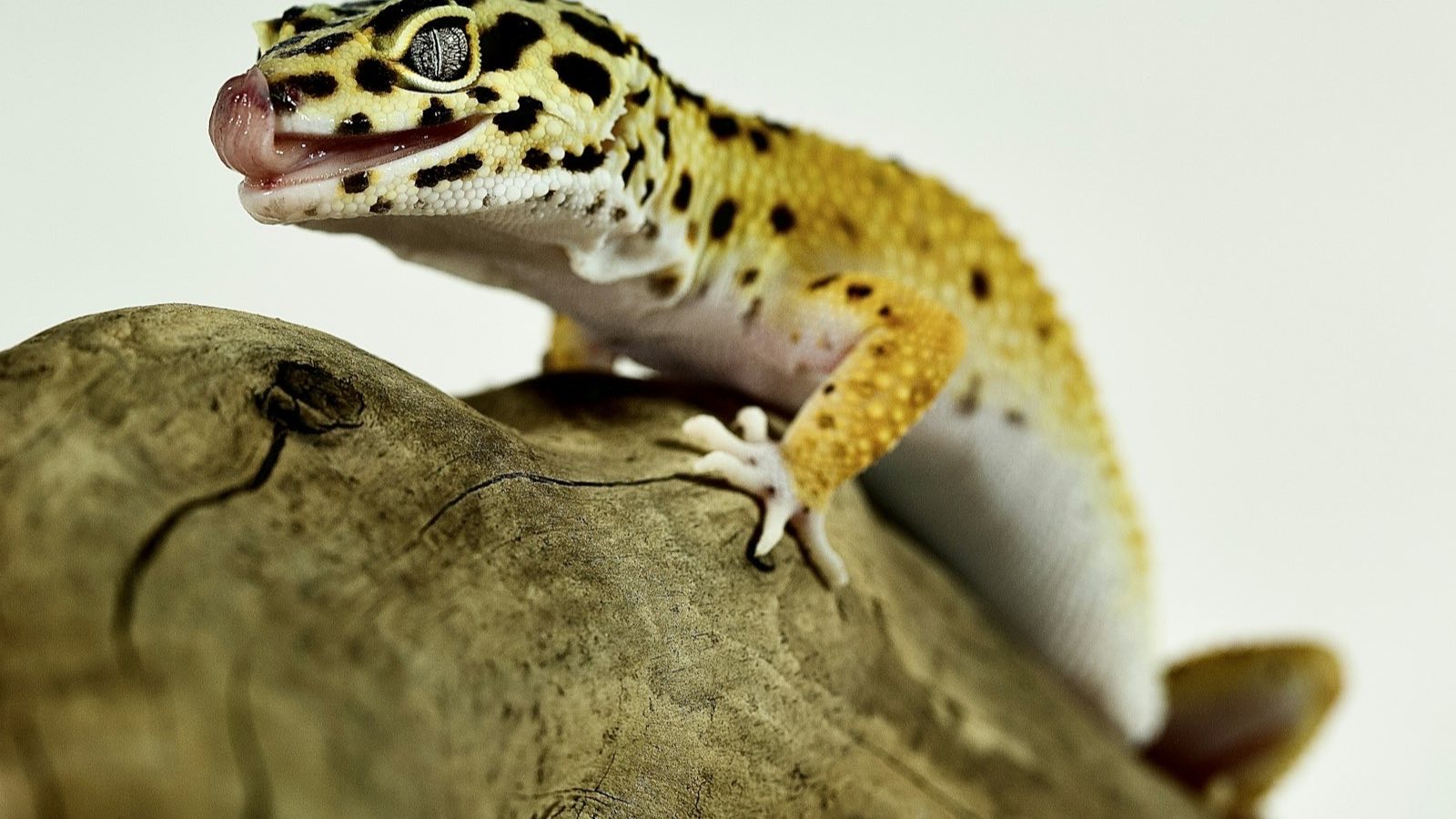
Leopard gecko: what a study on incubation temperature changes about the sex of hatchlings
Published by Planète Pets · managing editor: Clément Lacaille · how our guides are written
In the leopard gecko (Eublepharis macularius), hatchling sex is not fixed by chromosomes but largely by the incubation temperature of the eggs. A study by Viets, Tousignant, Ewert, Nelson and Crews, published in 1993 in the Journal of Experimental Zoology, incubated leopard gecko eggs at several constant temperatures and recorded the sex of the resulting juveniles (see the study). Find all our precision gear in the accessories section.
Contents · 5 sections
A three-zone pattern, not a simple hot/cold rule
The results show a subtler pattern than a binary split: cool temperatures mostly produce females, a mid-range zone around 32-33 °C produces mostly males, and the warmest temperatures (34-35 °C) swing the clutch back toward almost entirely females. Above roughly 35 °C, egg viability drops sharply, setting a clear upper limit not to exceed.
Why half a degree of precision matters
This narrow gap between the male-dominant and female-dominant zones explains why two incubators set "roughly" to the same temperature can produce very different sex ratios from one clutch to the next. An imprecise thermostat or a poorly calibrated thermometer is enough to tip an entire clutch from one profile to the other, without the hobbyist breeder noticing before hatching.
What this means for a hatchling's stated sex
For a future owner, this mechanism is a reminder that a juvenile leopard gecko sold as "probably male" or "probably female" is often based on an estimate tied to the breeder's stated incubation temperature, not a genetically visible certainty. A reliable sexing check, based on femoral pores or hemipenal bulges, remains preferable and is in any case only possible from a certain age onward, generally several months.
What this does not change about adult care
This mechanism only concerns the egg incubation stage: once hatched, a juvenile's temperature needs (basking spot around 30-32 °C) follow the usual guidelines for the adult species, regardless of the sex that resulted.
- Main finding: sex ratio depends on incubation temperature, with a peak of males around 32-33 °C and females at both cooler and warmer ends.
- Zone to avoid: above roughly 35 °C, egg viability drops sharply.
- Practical implication: a precise thermostat and thermometer are essential for any breeding-oriented incubation.
- What it does not guarantee: reliable sexing of the juvenile, which still needs confirming by physical examination closer to adulthood.
This topic connects with our guide to choosing a terrarium thermostat, and complements our notes on tail diameter as a health indicator in the adult leopard gecko.
FAQ
Can you choose hatchling sex by setting the incubation temperature?
To some extent, yes, but the gap between profiles is narrow, and a setting error easily produces the opposite of the intended result.
Is a breeder's stated sexing always reliable?
Not always for a young juvenile; a physical examination by an experienced breeder or an exotic-animal vet, done later, remains the most reliable method.
Does this temperature sensitivity also apply to adult leopard geckos?
No, once hatched the sex is fixed; only the usual basking-spot needs for digestion and activity still apply.
In our shop, for this use: Stick-on digital thermometer for aquarium and terrarium glass (€18.90) · the whole shop
This guide is part of Planète Pets’s Reptiles universe. Our advice is general in nature: for any health concern, your veterinarian remains the only reference.