Mirror for a betta: useful stimulation or needless stress?
Published by Planète Pets · managing editor: Clément Lacaille · how our guides are written
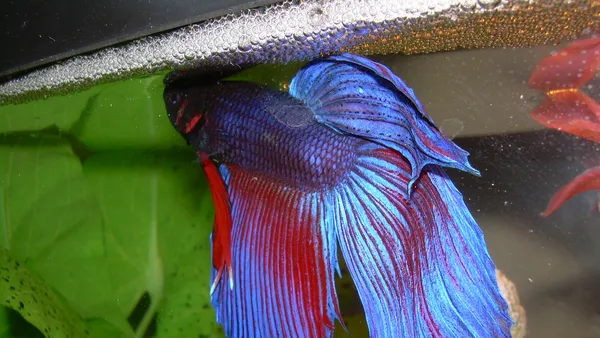
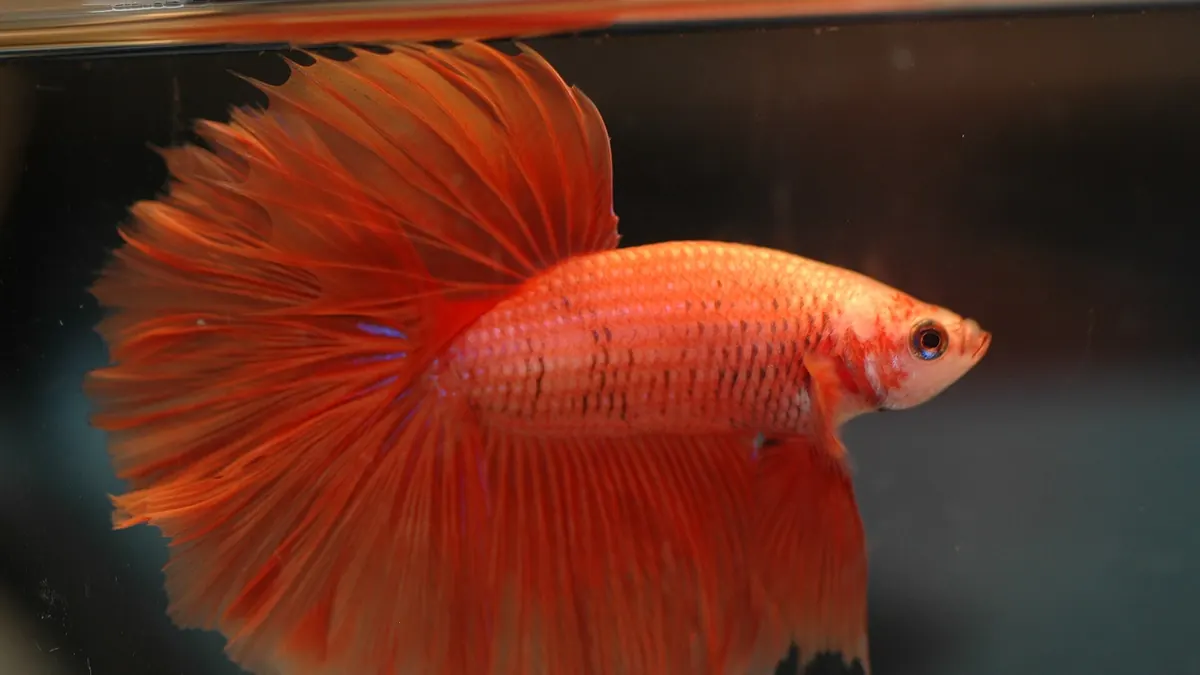
A mirror shown for a few seconds to a male betta triggers a spectacular display: flared fins, vivid colours, flared gill covers. Used sparingly, this exercise stimulates a fish that can be too sedentary in a small tank, but repeated or extended use quickly turns into harmful chronic stress.
Contents · 5 sections
Why does a betta react so strongly to its reflection?
A betta reads its reflection as a territorial rival and responds with the same signals as a real fight narrowly avoided. This instinctive reaction, similar to what's seen facing an intruder in a dedicated tank, spends a significant amount of hormonal energy each time it's triggered.
How long and how often should you use it?
- Maximum duration: 10 to 15 seconds per session, never longer.
- Frequency: once or twice a week at most, no more.
- Stop signal: remove the mirror as soon as colours dull or the fish retreats to a hiding spot.
- Never continuous: a mirror left in place all day exhausts the fish with no benefit at all.
What signs point to excessive stress?
Lethargy after the session, loss of appetite or persistently pale colours indicate the exercise was too long or too frequent. These symptoms overlap with those watched during treatment for ich (white spot), since a weakened immune system from stress is more vulnerable to disease.
Are there lower-risk alternatives?
A varied setup with hiding spots and plants, available among enrichment accessories, keeps the fish occupied without pushing it into a defensive stress response. Feeding with tongs or having it follow a finger along the glass also stimulates curiosity without triggering a fight response.
Frequently asked questions
Does a permanent mirror make a betta livelier day to day?
No, the opposite usually happens: chronic stress tires the fish out and reduces its normal activity rather than boosting it long-term.
Do all female bettas react as strongly?
The reaction is generally milder in females, which are less territorial than males, but the same caution about duration still applies.
Can a mirror help tell a sick fish from a healthy one?
Indirectly, yes: a betta that no longer reacts at all to its usual reflection can be signalling lethargy or an illness worth watching closely.
This guide is part of Planète Pets’s Fishkeeping universe. Our advice is general in nature: for any health concern, your veterinarian remains the only reference.