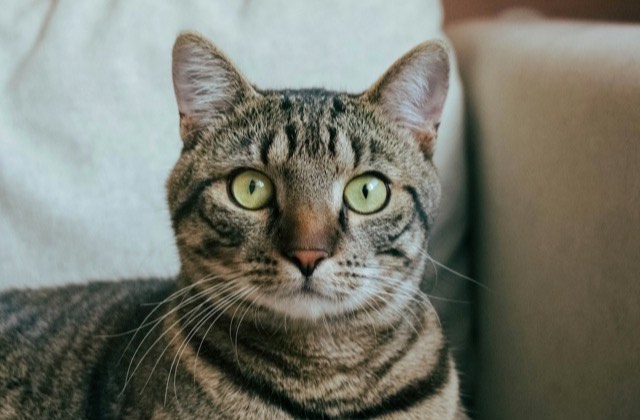
Poisonous houseplants for cats: the real dangers at home
Published by Planète Pets · managing editor: Clément Lacaille · how our guides are written
An indoor cat will happily chew on whatever leaves are within reach, out of curiosity or to induce vomiting naturally. Most houseplants cause nothing worse than a passing bout of digestive irritation, but a few species common on windowsills are genuinely lethal. Browse all our health guides in the cat care and grooming section.
Contents · 6 sections
Lilies: a poison that targets cats specifically
Every species of true lily (Lilium) and daylily is highly toxic to cats, while remaining harmless to dogs. A landmark study led by Rumbeiha and colleagues, published in 2004 in the Journal of Veterinary Diagnostic Investigation, documented the acute kidney injury caused by lily ingestion in cats (see the study): even a small amount of petal, leaf, or pollen is enough to trigger kidney failure within three to five days if no treatment is given promptly.
Which other plants should you keep out of the house?
- Dieffenbachia and philodendron: the calcium oxalate crystals they contain cause mouth burns and heavy drooling as soon as the cat chews on them.
- Ficus: the sap irritates the mouth and digestive tract, leading to vomiting and diarrhea.
- Azalea and rhododendron: toxic to the heart, they can cause abnormal heart rhythms if a large enough amount is ingested.
- Tulip and hyacinth bulbs: the most concentrated toxins sit in the bulb, theoretically out of reach but accessible whenever a pot gets knocked over.
What should you do after ingestion?
Contact a vet or an animal poison control line immediately as soon as a cat has chewed on a suspect plant, even without visible symptoms: for lilies in particular, acting before the first kidney signs appear changes the prognosis dramatically. Bring a piece of the plant or a photo if you can, to help with identification. The same reflexes apply to toxic foods for cats, another frequent source of poisoning at home.
Which plants can you safely offer instead?
Rather than hoping a cat will ignore every bit of greenery in the flat, it works better to offer a dedicated alternative: a pot of cat grass to nibble on, placed away from ornamental plants, naturally redirects its attention toward a safe option. Basil, rosemary, and common garden herbs are also safe in small amounts.
What does an emergency consultation cost?
A night or weekend vet visit for suspected poisoning typically runs €80–150, excluding further tests (bloodwork, IV fluids) which can push the bill to several hundred euros if hospitalisation is needed.
Frequently asked questions
Is lily pollen as dangerous as the whole plant?
Yes, a cat that grooms itself after simply brushing its nose against a lily bouquet can ingest enough pollen to develop kidney poisoning.
Does a cat that vomits after chewing a plant automatically mean poisoning?
Not necessarily, many plants cause mild irritation, but only a vet can rule out a more serious toxicity depending on the plant involved.
Are plastic plants a good solution?
Yes for safety, as long as you check that a very playful cat isn't at risk of swallowing small plastic pieces. Browse all our guides on the cat hub.
In our shop, for this use: Stainless-steel pin brush for cats (€18.90) · the whole shop
For the gear, at Le Félin (same family, zero commission): Petit arbre à chat compact et design (from €79.99)
This guide is part of Planète Pets’s Cats universe. Our advice is general in nature: for any health concern, your veterinarian remains the only reference.