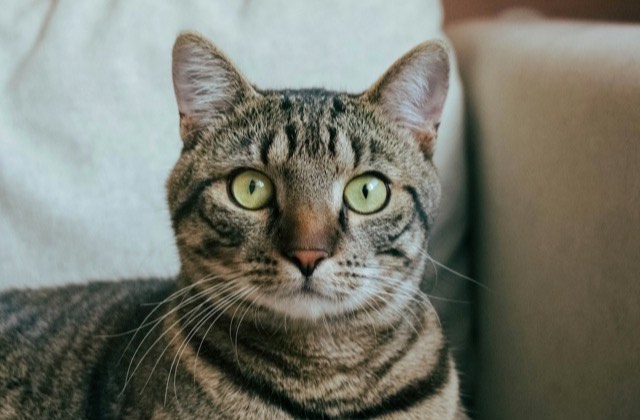
Cats and Heatwaves: How to Set Up Your Home for Summer
Published by Planète Pets · managing editor: Clément Lacaille · how our guides are written
Cats don't sweat the way we do: they shed heat mainly through their skin and behaviour, and barely through panting, which is a warning sign rather than an efficient cooling mechanism. A longitudinal study on the effect of season and weather on domestic cat behaviour found that a higher heat index clearly shifts their habits: more time lying down, less activity and less grooming. During a heatwave, the goal is to adapt the home rather than expect the cat to regulate on its own.
Contents · 5 sections
Why is heat risky for a cat?
Brachycephalic breeds (Persian, Exotic Shorthair), kittens, senior cats and overweight cats cope especially poorly with high temperatures. Without intervention, the risk of heatstroke rises fast once a home stays above 28-30°C for several hours in a row, especially under the roof or behind a south-facing bay window.
Creating cool zones in the home
Close shutters and curtains on the sun side first thing in the morning, air the rooms early and late, and give access to a tiled room or a cooling mat. A fan can circulate air in a room without blowing straight at the cat, who will move away anyway if it doesn't like it. Keep a close eye on window hammocks in summer: in direct sun, they quickly turn into a heat trap rather than a pleasant lookout.
Multiplying fresh water points
A cat that already drinks little is even more vulnerable to dehydration during a heatwave. Place several bowls around the home, refresh the water often, and consider a water fountain to encourage drinking through the movement of the water.
Litter box and mealtimes: two details worth watching
Keep the litter box away from any heat source (a switched-off radiator in a poorly ventilated room, a conservatory) and serve meals during the coolest hours of the day to preserve appetite, which often dips in hot weather.
- Light grooming for long-haired cats — never shave a cat.
- Never leave a cat alone in a closed, unventilated room or a car, even for a few minutes.
- Constant access to shade if the cat goes out on a secured balcony.
- Panting, drooling, lethargy or vomiting: see a vet without delay.
Find more seasonal setup ideas in our cat bedding and habitat section, along with our tips on a well-insulated outdoor shelter if your cat has access to the garden — the same shade-and-insulation logic applies in summer.
Frequently asked questions
Is a fan enough to cool a cat down?
It helps circulate the air but doesn't replace a cool room and water at all times; never aim it directly and continuously at the cat.
Should you shave a long-haired cat in summer?
Regular brushing is enough in most cases; shaving removes the coat's insulating role and exposes the skin to sunburn, so it should stay a decision made with a vet.
What are the signs of heatstroke in a cat?
Panting, very red tongue and gums, excessive drooling, an unsteady gait or vomiting call for an emergency vet visit; see the cat hub for our full range of guides.
In our shop, for this use: Scissor-style nail clipper for cats (€17.90) · the whole shop
See it at Le Félin, a shop from the same family (zero commission): Arbre à chat grand modèle gris pour Maine Coon (from €149.99)
This guide is part of Planète Pets’s Cats universe. Our advice is general in nature: for any health concern, your veterinarian remains the only reference.