Care and grooming for a Siberian: coat, litter and prevention
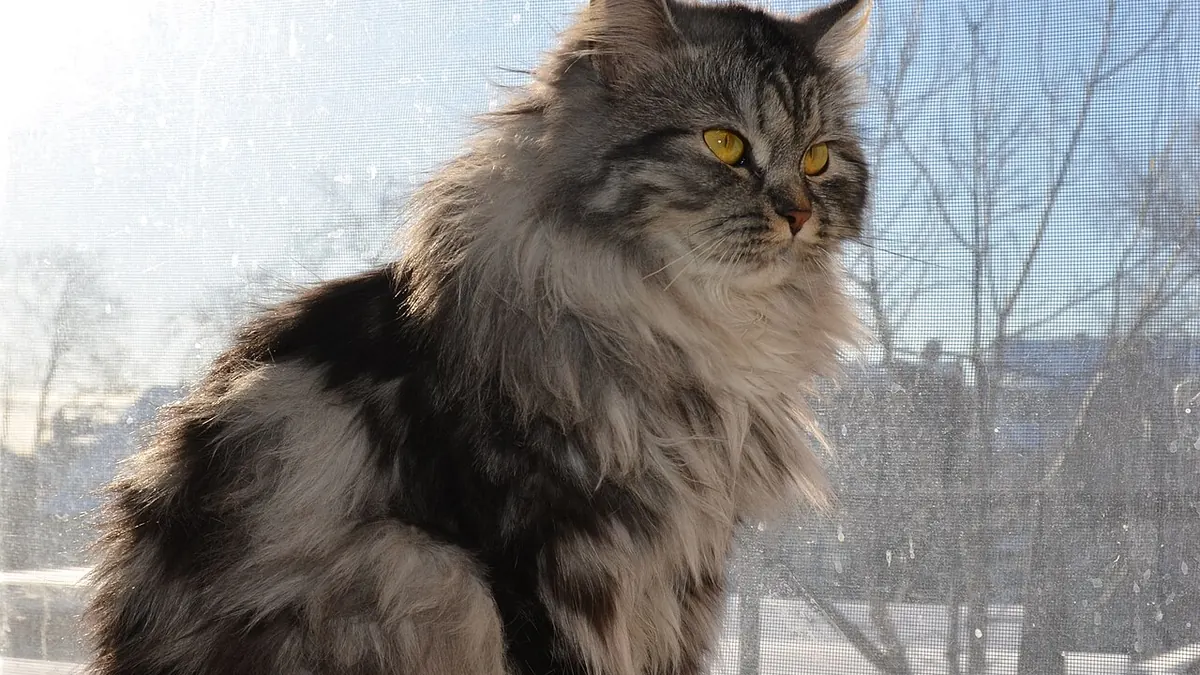

Siberian : Its triple coat should be brushed once or twice a week, with daily sessions during seasonal moults when the undercoat comes out in handfuls. Its water-resistant coat dries quickly and does not require frequent baths.
In our shop, for this use: Stainless-steel pin brush for cats (€18.90) · the whole shop
We don’t ship products to your country yet; our practical guide downloads anywhere: The Healthy Cat Handbook: Prevention Made Simple (€15)
🩺 This health information is general in nature and does not replace a consultation: at the slightest doubt about your animal’s condition, talk to your vet.
In short: Large cat (4 to 8 kg) with a dense semi-long triple coat and moderate to high energy. A powerful cat, agile despite its size, affectionate without excess and an excellent jumper. Its waterproof triple coat sheds heavily in spring; it is reputed to produce less Fel d 1 protein, though it is not truly hypoallergenic.
Coat care
The Siberian needs two or three sessions a week with a metal comb then a slicker, focusing on the britches and armpits. It moults heavily: in spring and autumn, double the frequency and consider malt paste against hairballs.
Litter: the most sensitive product in the house
Three non-negotiables on litter: size (60 cm minimum for its build), a fine unscented substrate, a calm spot well away from the food. Golden rule: one tray per cat plus one, scooped daily — most toileting accidents start there.
Health watch-points for the Siberian
The breed is monitored for: hypertrophic cardiomyopathy (HCM). Check claws every three to four weeks, inspect teeth and ears while grooming, and keep parasite treatment year-round even indoors. Life expectancy: 12 to 15 years — and for anything unusual, the vet comes before the forums.
Frequently asked questions
How often should a Siberian be brushed?
Plan on two or three sessions a week with a metal comb then a slicker, focusing on the britches and armpits.
What litter tray size for a Siberian?
At least 60 cm long: the cat must turn around without touching the sides. Preferably uncovered, with fine unscented litter.
The guides that apply to you
- Long-haired or short-haired cat: grooming routine and budget compared
Long-haired or short-haired cat: the right brush, how often to groom and a realistic budget, so you avoid mats without spending every evening on it.
- Clay, silica, or wood pellets: what a field study reveals about cats' real litter preferences
A study offered cats three litter substrates identical in every way except the material. The result nuances what many product sheets claim.
- Open or covered litter box: which does your cat really prefer?
Open or covered litter box for your cat? Odours, scatter, stress, upkeep: the honest comparison to choose a box your cat will actually use.
- Grooming a Maine Coon: Keeping a Semi-Long Coat Mat-Free
How do you care for a Maine Coon's semi-long coat? Brushing frequency, mat-prone areas, hairballs, and the right tools for this large cat.