Sulcata tortoise: what a study on quantity discrimination changes about mealtime
Published by Planète Pets · managing editor: Clément Lacaille · how our guides are written
A tortoise slowly walking toward a pile of food is not as simple as it looks: a Japanese study showed it can tell which of two quantities is larger, a cognitive ability that opens new avenues for feeding enrichment. Our enrichment guidance is gathered in the reptile toys and enrichment section.
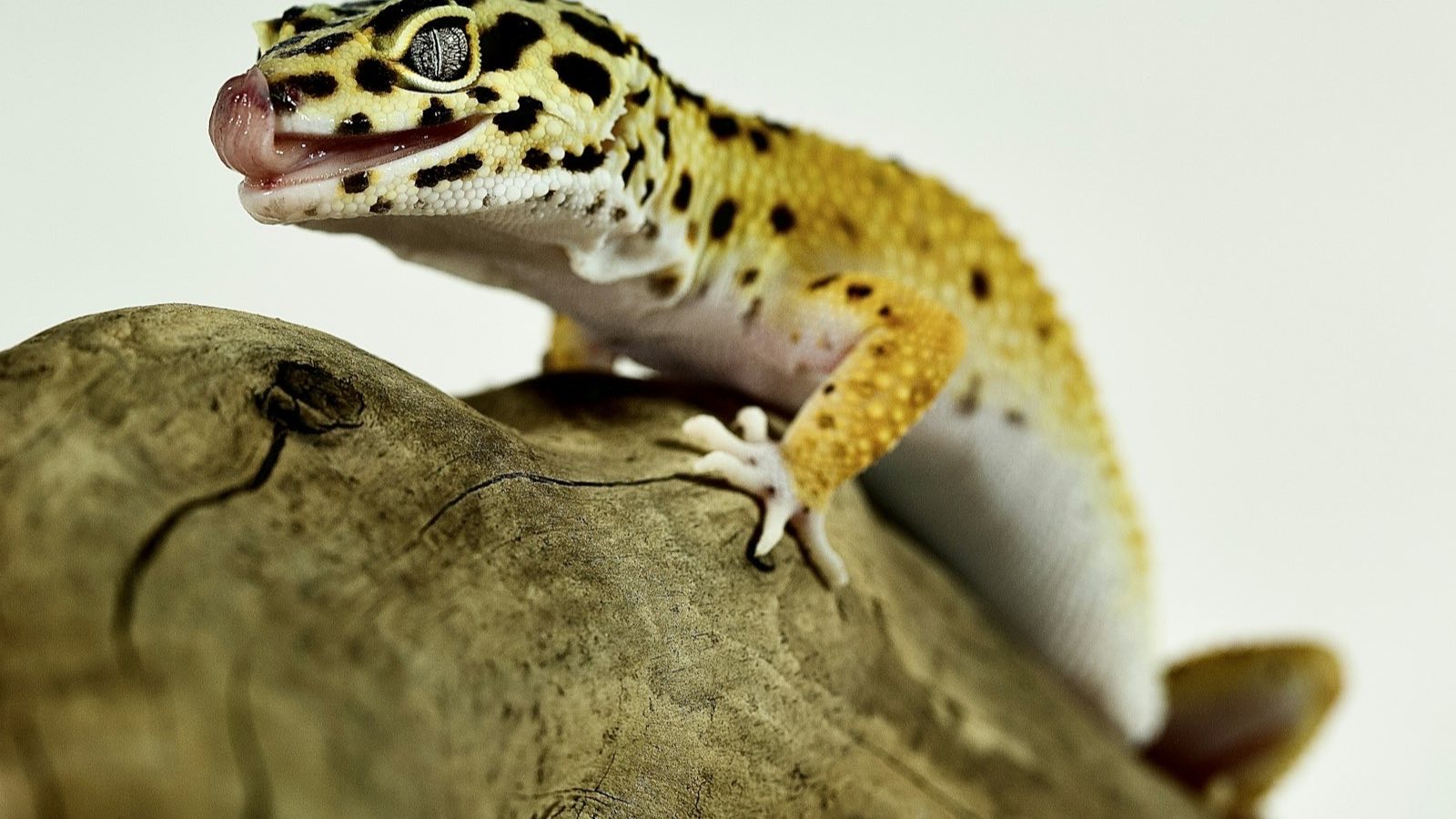
A Japanese study on quantity discrimination in the sulcata tortoise
Tomonaga, Haraguchi and Wilkinson published a study in 2023 in Animal Cognition on relative quantity discrimination in African spurred tortoises (Centrochelys sulcata) (see the study). By presenting tortoises with two trays holding different amounts of favoured food, from one to seven pieces, the researchers measured that the animals reliably moved toward the fuller tray, with performance improving as the gap between the two quantities grew larger.
What this changes about feeding enrichment
This discrimination ability, measured in a species often seen as unresponsive, is an invitation to move beyond a single food bowl set in the same spot every day.
- Spread food across several small, scattered piles in the enclosure rather than one single portion, to encourage movement and active choice.
- Vary the layout and size of the piles from day to day so the tortoise has to reassess its surroundings instead of following a memorised routine.
- Take advantage of this discrimination ability to set up simple enrichment sessions, such as hiding favoured greens under substrate relief for the tortoise to explore.
This cognitive approach builds on the guidance already given in our study on captive growth in the sulcata tortoise, and pairs with our article on feeding enrichment for reptiles.
Frequently asked questions
Can a sulcata tortoise really count?
The study does not show abstract counting comparable to a mammal's, but a reliable discrimination of relative quantity between two piles, especially when the gap is clear.
Should all the food be hidden to stimulate the tortoise?
No, alternating between visible meals and small scattering or partial-hiding challenges is enough, without depriving the animal of simple, regular access to its ration.
Does this ability exist in young tortoises?
The study was conducted on adult individuals; nothing suggests this discrimination is absent in younger ones, but feeding enrichment remains beneficial at any age. Find all our guides on the reptile hub.
In our shop, for this use: Stick-on digital thermometer for aquarium and terrarium glass (€18.90) · the whole shop
This guide is part of Planète Pets’s Reptiles universe. Our advice is general in nature: for any health concern, your veterinarian remains the only reference.